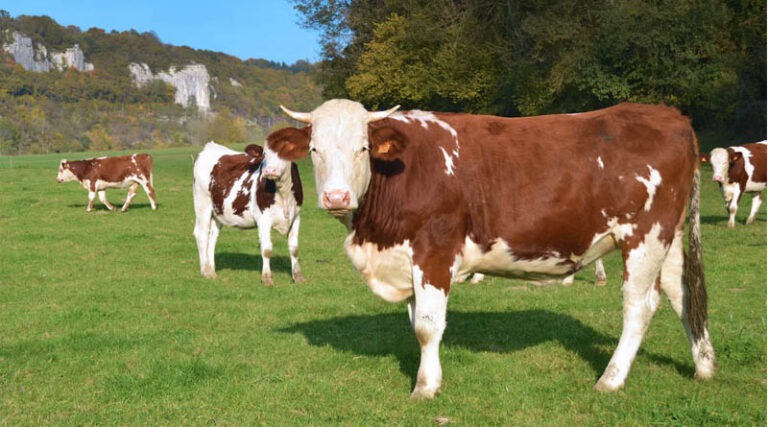
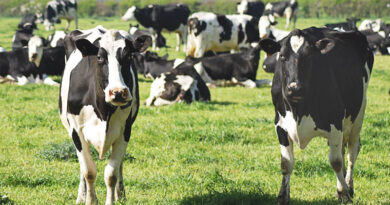
05 November 2026, Washington, US: The U.S. Department of Agriculture’s Animal and Plant Health Inspection Service confirmed highly pathogenic avian influenza H5N1, genotype B3.13, in a dairy cattle herd in Indiana, marking the first reported case of the disease in cattle in the state, the agency said. The confirmation came from APHIS’s National Veterinary Services Laboratories, which used PCR testing to detect the virus. Genotype B3.13 is the specific H5N1 lineage that has circulated in the U.S. dairy cattle outbreak since cases were first confirmed on a dairy premises in March 2024, APHIS has said, distinguishing it from other H5N1 genotypes that continue to affect wild birds and commercial poultry flocks separately.
The detection came through the National Milk Testing Strategy, a nationwide program APHIS uses to screen bulk raw milk for the virus, rather than through pre-movement surveillance of animals being shipped between states. The program tests bulk raw milk samples on an ongoing basis, rather than relying solely on producers or state veterinarians to report clinical signs of illness in a herd. APHIS said it is working with the Indiana State Board of Animal Health on additional on-farm investigations, diagnostic testing and epidemiological data collection to determine how the virus reached the herd.
Outbreak has reached 21 states
Dairy cattle in a total of 21 states have been infected since the outbreak began in March 2024, APHIS said, and the agency has recorded cases in states that had not previously reported the disease this year. The Indiana detection extends that pattern, adding another state to the list of places where the virus has moved from wild birds or poultry into dairy herds since the outbreak was first identified.
APHIS said the Indiana detection does not change the agency’s overall strategy for eradicating HPAI from the national dairy herd. The agency also said the case does not pose a risk to consumer health and does not affect the safety of the commercial milk supply. Federal health authorities have maintained that assessment throughout the nearly three-year outbreak, even as the virus has continued to turn up in new states and herds.
The Centers for Disease Control and Prevention has said that HPAI viruses circulating in birds and U.S. dairy cattle pose a low risk to the general public.
Indiana joins a list of states, including Wisconsin, which reported its first dairy cattle case in December 2025, that have confirmed their first herd infections well after the outbreak’s initial detection in early 2024. That pattern underscores how the virus continues to find new routes into herds nearly three years after it was first identified in U.S. dairy cattle. APHIS has not said how the virus is believed to have reached the Indiana farm, and its investigation with Indiana state animal health officials remains ongoing.
Vaccine development continues in parallel with the agency’s surveillance and containment work. APHIS has said several vaccine candidates for use in dairy cows are currently undergoing field trials, though none has yet been approved for commercial use in the national herd. Separately, the agency runs a voluntary Dairy Herd Status Program that allows producers to demonstrate their herds are free of the virus through structured testing, with about 100 herds across 18 states enrolled as of the agency’s most recent update. That program is distinct from the outbreak case count and does not reflect the number of herds currently infected.
Global Agriculture is an independent international media platform covering agri-business, policy, technology, and sustainability. For editorial collaborations, thought leadership, and strategic communications, write to pr@global-agriculture.com