Paraquat

Explore the latest research, regulatory developments, product updates, scientific studies, and crop protection developments related to Paraquat. Stay informed on contact herbicides, weed management, herbicide resistance, crop protection, pesticide regulation, stewardship, and sustainable agriculture.

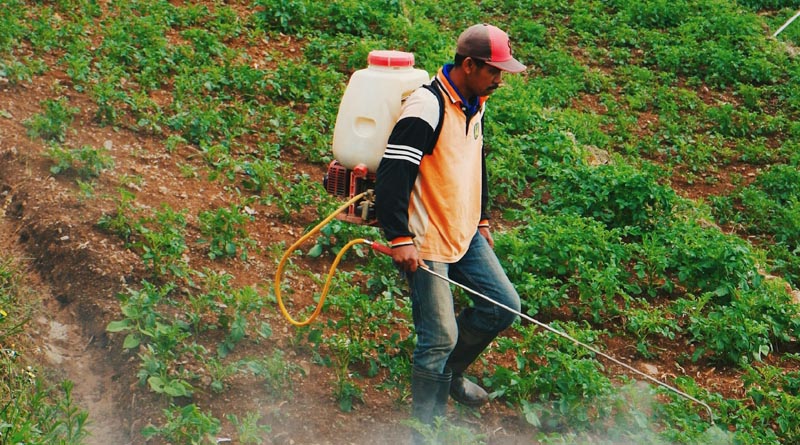
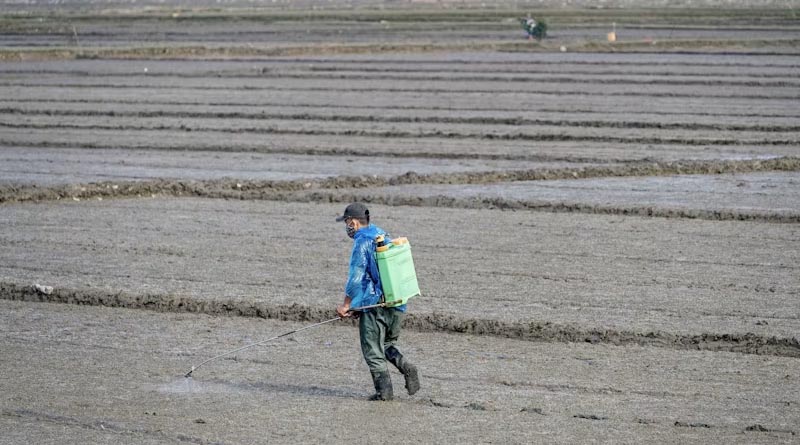
Paraquat is a non-selective, contact herbicide used for rapid control of green vegetation and weeds. It belongs to the bipyridyl class of herbicides and acts through redox processes that generate reactive oxygen species, rapidly damaging plant cell membranes and causing desiccation of treated foliage. Paraquat is used in a range of agricultural weed-management applications, subject to national registrations and restrictions.

Paraquat is also one of the most closely scrutinized herbicides globally because of its high acute toxicity to humans. Regulatory status, permitted uses, formulation requirements, and safety restrictions vary significantly between countries. The FAO/WHO Joint Meeting on Pesticide Residues has evaluated paraquat for dietary exposure and established residue-related assessments, while national regulators continue to review its safety and permitted agricultural uses.

The herbicide remains an important subject in weed resistance management, particularly because of its rapid contact activity and use in systems such as no-till and conservation agriculture. At the same time, regulatory scrutiny has intensified in several markets. In 2026, for example, the U.S. EPA announced a reassessment of paraquat’s safety, while Vermont became the first U.S. state to enact a paraquat ban.

This category features regulatory decisions, scientific research, product registrations, herbicide resistance studies, pesticide stewardship, environmental assessments, weed-management strategies, policy developments, and global developments related to paraquat.