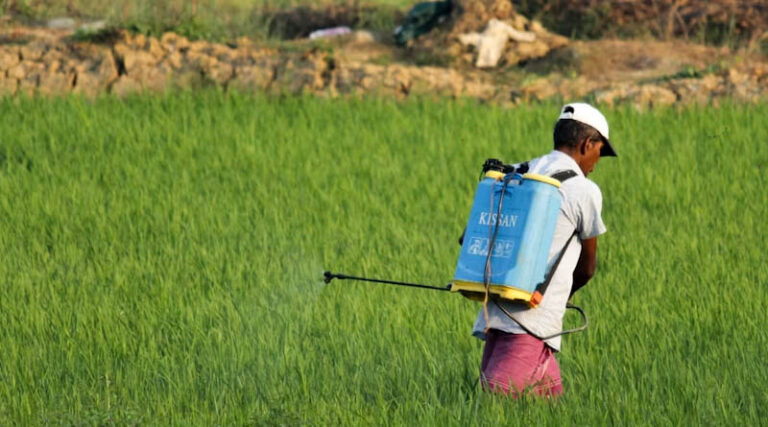
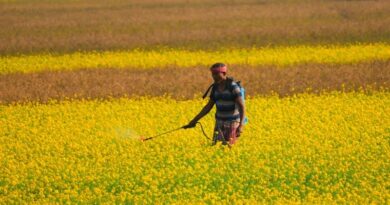
01 September 2026, Mumbai: India’s proposed ban on paraquat dichloride could have uneven consequences across the country’s agrochemical industry, with large diversified companies likely to absorb the impact more easily while smaller marketers, distributors and importers could face greater commercial pressure.
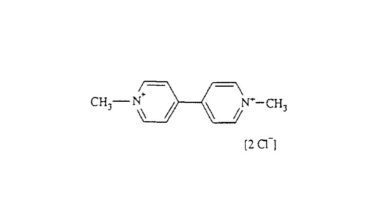
The Indian Ministry of Agriculture on July 13, 2026, issued the Draft Prohibition Order for Dichloride in 2026, proposing restrictions on the import, manufacture, sale, transport, distribution and use of paraquat dichloride under the Insecticides Act, 1968.
The proposed action, primarily driven by public health concerns, could have wider commercial implications for the entire paraquat supply chain, including Chinese technical manufacturers, Indian importers, formulators, brand owners, distributors and farmers.
Industry estimates put India’s paraquat market at around ₹15 billion, or approximately US$157 million. However, determining the precise exposure of individual companies is difficult because listed agrochemical companies generally report revenues by broad product categories such as herbicides, insecticides and fungicides rather than by individual active ingredients.
Among major listed agrochemical companies, UPL could face one of the largest absolute impacts because of its scale and presence in the herbicide market. However, its diversified portfolio means the loss of paraquat sales would represent only a portion of its overall business.
Dhanuka Agritech, which markets paraquat under its Ozone 24% SL brand, also has meaningful exposure. Herbicides constitute an important part of its portfolio, but the company sells a wide range of other crop protection products that could cushion the impact of a paraquat ban.
The potential group-level impact on Rallis India and Coromandel International is expected to be comparatively smaller because paraquat represents a limited share of their overall businesses. Coromandel, in particular, has substantial exposure to fertilizers and other agricultural inputs.
The risk could be more pronounced for companies with greater dependence on paraquat. Crystal Crop Protection, which acquired the Indian trademark rights for Gramoxone from Syngenta in 2023, could face a more direct commercial impact because Gramoxone is one of the best-known paraquat brands in the Indian market.
Chinese suppliers could also feel the impact
The proposed restrictions extend beyond Indian companies because India depends heavily on imported paraquat. Trade data indicates that China, including Taiwan, accounts for a major share of India’s paraquat imports. Indian companies largely operate across formulation, branding and distribution, while the technical-grade active ingredient is sourced from overseas manufacturers.
A comprehensive ban would therefore have implications for Chinese technical manufacturers and other original drug exporters supplying the Indian market.
For Chinese suppliers, the extent of the impact will depend on the final scope of the Indian regulation, the transition period and whether any exemptions are provided.
Inventory could become a major concern
Indian importers and distributors could face another risk: unsold inventory. Market purchases reportedly increased ahead of the proposed regulatory action, suggesting that some companies may have built up paraquat stocks in anticipation of tighter restrictions.
If the final prohibition does not provide sufficient time to sell or otherwise legally dispose of existing inventory, these stocks could become a significant financial liability.
The proposed manufacturing prohibition could also have implications for Indian companies producing paraquat formulations for export. Unless the final order contains an exemption for export-oriented production, companies could potentially face losses from products manufactured for overseas markets.
1,503 licences do not mean 1,503 manufacturers
Government data indicates that 1,503 units hold licences connected with paraquat. However, the figure should not be interpreted as the number of independent paraquat manufacturers in India.
India’s pesticide licensing system covers several activities, including technical-grade manufacturing, formulation, repacking, relabelling and other handling operations.
The number of companies capable of actually synthesising paraquat technical material is therefore substantially smaller than the total number of licence holders. A large proportion are formulation processors, packers or marketers.
What happens next?
The ultimate commercial impact will depend on the final regulatory order, particularly its effective date, transition period, treatment of existing inventory, export provisions and scope of restrictions across manufacturing and formulation.
For large diversified agrochemical companies, paraquat represents one product within a much broader portfolio. For specialised marketers, importers, distributors and technical suppliers more dependent on the molecule, however, the proposed ban could create a considerably sharper business shock.
The regulatory decision could therefore extend well beyond India’s domestic herbicide market, affecting a supply chain that connects Indian farmers and distributors with formulation companies, importers and Chinese technical manufacturers.
Global Agriculture is an independent international media platform covering agri-business, policy, technology, and sustainability. For editorial collaborations, thought leadership, and strategic communications, write to pr@global-agriculture.com