California Becomes Second US State to Effectively Phase Out Paraquat Herbicide
07 September 2026, California: California’s Department of Pesticide Regulation has confirmed that every manufacturer holding a registration for paraquat dichloride, one of the world’s most widely used herbicides, has voluntarily cancelled that registration in the state, effectively ending the chemical’s legal sale in California once existing stock clears the pipeline. The department said the last remaining registrant withdrew its product on August 6, 2026, closing out a review process that began in November 2024.
The cancellations came after DPR invoked its reevaluation authority and ordered registrants to submit new toxicology studies addressing gaps in the state’s human health database by June 5, 2026. Rather than fund and complete that data package, manufacturers opted to pull their products from the state instead. DPR Director Karen Morrison and California Secretary for Environmental Protection Yana Garcia both signed off on the announcement, which cited preliminary evidence of links between paraquat exposure and Parkinson’s disease, along with concerns about thyroid effects, birth defects, and harm to birds and soil organisms. The agency noted the compound generates reactive oxygen species in living cells, a mechanism associated with oxidative stress and tissue damage.
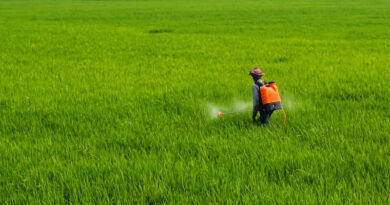
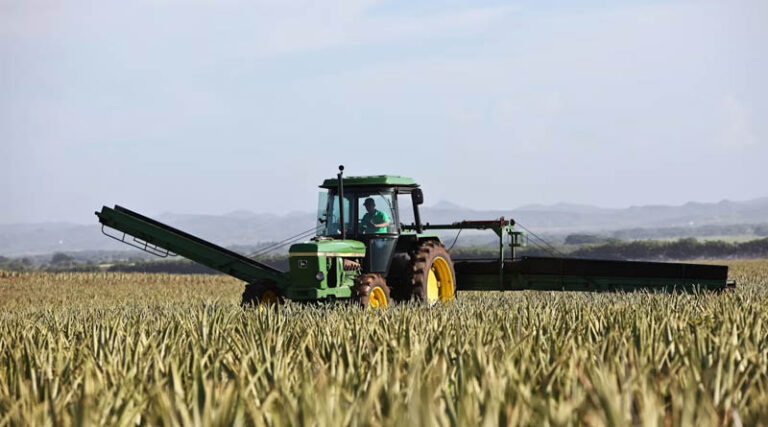
Paraquat has been a mainstay herbicide for California’s almond, pistachio, and alfalfa growers, valued for its fast burndown action on weeds and its use as a desiccant ahead of harvest. Under the terms of the cancellation, licensed pesticide dealers may continue to possess and sell already-manufactured paraquat products for up to two years from each product’s individual cancellation date, and growers who already hold stock can keep applying it according to the label during that window. After that grace period lapses, no paraquat-dichloride product will be legally available for purchase or use anywhere in the state.
The California Farm Bureau pushed back on the decision, arguing it strips away an important tool for controlling herbicide-resistant weeds and adds to what it called an increasingly difficult regulatory and cost environment for the state’s growers. The organization has not proposed a specific alternative chemistry, and no state funding or transition program for affected farms has been announced alongside the cancellation.
California becomes only the second US state, after Vermont, to effectively remove paraquat from the market, even though the herbicide remains federally registered with the Environmental Protection Agency. The EPA re-registered paraquat in 2021 following its own multi-year review, but restricted its use to certified applicators, added a residential-proximity buffer, and required additional respiratory protection equipment, stopping short of a ban. The gap between the federal registration and California’s state-level cancellation illustrates how individual states can impose stricter limits than Washington under the framework of the Federal Insecticide, Fungicide, and Rodenticide Act, which allows states to add their own conditions provided they do not permit uses broader than the federal label. Paraquat is already banned outright in the European Union and in China, two of the other major agricultural markets, leaving the United States as one of the last large markets where the chemical remains in any form of legal use, and increasingly only outside California and Vermont.
Also Read: Syngenta Welcomes Trevor Watson As Turf Territory Manager For Mid-atlantic And Northeast Region
Global Agriculture is an independent international media platform covering agri-business, policy, technology, and sustainability. For editorial collaborations, thought leadership, and strategic communications, write to pr@global-agriculture.com