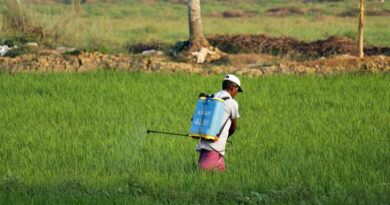
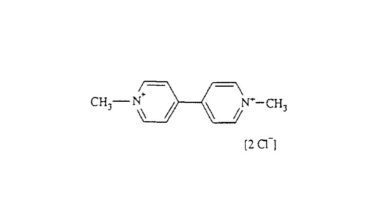
19 July 2026, New Delhi: Paraquat is one of the most controversial herbicides in modern agriculture. While it has long been valued for its effectiveness in weed management, concerns over its toxicity to humans and the environment have resulted in restrictions and outright bans in many countries, including Nigeria.
Following Nigeria’s prohibition of the manufacture, importation, exportation, distribution, advertisement, sale, and use of paraquat-based herbicides, an important question remained: What happens after a ban is announced?
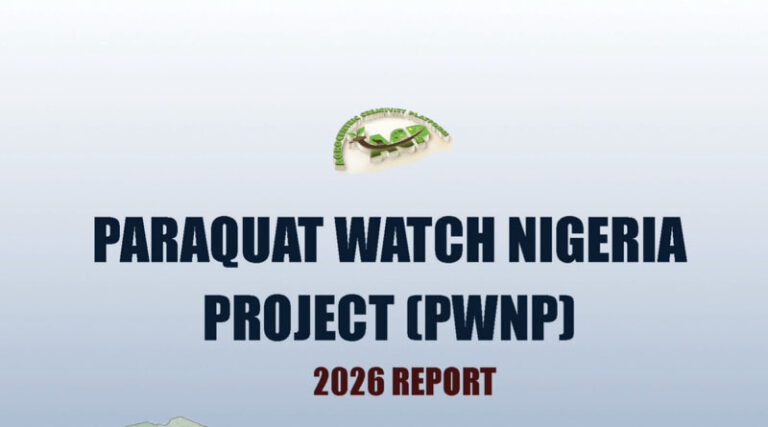
To help answer that question, the Agrocentric Creativity Initiative Platform for Agricultural Awareness Amongst Youths (ACIPAAY) initiated the Paraquat Watch Nigeria Project (PWNP), a national scientific surveillance programme designed to evaluate the post-ban presence of paraquat herbicides in Nigeria. The project has culminated in the release of the Paraquat Watch Nigeria Project (PWNP) 2026 Report, presenting findings from surveillance conducted between May and June 2026.
The report shows that paraquat-based herbicides continued to be available in Nigerian markets despite the country’s ban and subsequent regulatory measures. It identified 20 paraquat-based herbicide products across 19 retail outlets in Gwagwalada Area Council, Abuja Municipal Area Council (AMAC), Kuje Area Council, and Uyo Local Government Area. Among the products identified were Paraeforce, Crownquat, Parafast, Blow Out, Parabest, and Gramostrong, with Paraeforce and Crownquat appearing most frequently during the study.
The findings further indicate that all identified paraquat-based herbicide products had been manufactured outside Nigeria, with China and Ghana recorded as the countries of manufacture.
Beyond documenting product availability, the report examines the distribution, manufacturing, and sales characteristics of post-ban paraquat-based herbicides in Nigeria, discusses the implications of these findings for agricultural regulation, and presents scientific recommendations to support the effective regulation of paraquat and other harmful chemicals.
Joel Emmanuel Benson, Project Team Lead and Corresponding Author of the Paraquat Watch Nigeria Project (PWNP) 2026 Report and an agricultural researcher, said the project was initiated to generate credible scientific evidence capable of supporting sustainable agriculture and evidence-based policymaking and implementation in the agricultural sector.
“Agricultural regulation should be guided by credible scientific evidence. The Paraquat Watch Nigeria Project was established to provide data that can support sustainable agriculture, informed public discourse, evidence-based policymaking, and effective policy implementation in the agricultural sector,” Benson said.
Global Agriculture is an independent international media platform covering agri-business, policy, technology, and sustainability. For editorial collaborations, thought leadership, and strategic communications, write to pr@global-agriculture.com