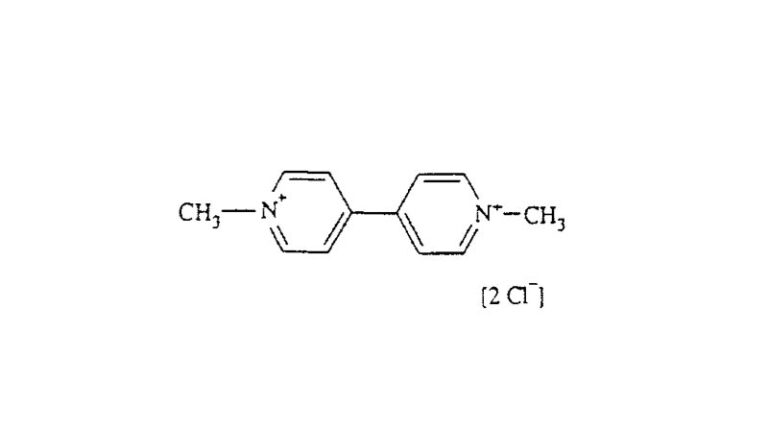
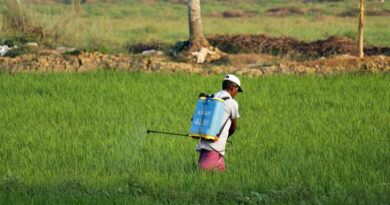
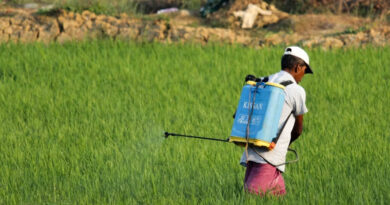
01 October 2026, New Delhi: India has cancelled the registration of Paraquat Dichloride and prohibited its further registration, marking a significant regulatory change for the country’s crop-protection industry. The decision follows the government’s July proposal to prohibit the manufacture, import, transport, distribution, sale and use of the herbicide. While the September 22 Gazette notification settles the status of registrations, it also leaves several practical questions for manufacturers, importers, distributors, retailers and farmers, particularly around existing stocks, imports in transit, implementation and state-level enforcement.
Paraquat Dichloride Ban in India: Key FAQs for the Agrochemical Industry
1. What has the Government of India decided on Paraquat Dichloride?
The Central Government has prohibited the registration of Paraquat Dichloride and cancelled registration certificates already granted for the active ingredient under the Insecticides Act, 1968.
2. When does the cancellation take effect?
The cancellation takes effect from the date of publication of the order in the Official Gazette.
3. What happens to existing registration certificates?
Registration certificates granted for Paraquat Dichloride under Section 9 of the Insecticides Act, 1968, stand cancelled. The Registration Committee has been directed to call back these certificates.
4. What happens if a company does not return its registration certificate?
The notification states that if a person fails to return the registration certificate, action may be taken under the provisions of the Insecticides Act, 1968.
5. Has the government announced a sell-through period for existing stocks?
The September 22 notification does not specify a separate sell-through period for existing stocks.
This is therefore an important issue for manufacturers, distributors and retailers awaiting further implementation guidance.
6. What happens to Paraquat Dichloride products already manufactured?
The Gazette order does not specify a separate procedure or deadline for products that were manufactured before the registration was cancelled.
The treatment of such inventory may require further clarification from the authorities.
7. What about Paraquat Dichloride already held by distributors and retailers?
The notification does not prescribe a specific stock-withdrawal or disposal timeline. State Governments have been directed to take appropriate steps to implement the order under the Insecticides Act and related rules.
8. What happens to Paraquat Dichloride imports already in transit?
The September notification does not provide a specific provision dealing with imports already in transit. Further regulatory clarification may therefore be required.
9. Can companies continue manufacturing Paraquat Dichloride?
The July 2026 notification had proposed prohibition of the manufacture, import, transport, distribution, sale and useof Paraquat Dichloride. The September order cancels the registrations and prohibits further registration.
Companies will need to follow the final regulatory position and any additional directions issued by the authorities regarding manufacturing and existing inventory.
10. Can farmers continue using Paraquat Dichloride?
The July proposal included prohibition of use. The September order cancels the registrations and directs states to implement the order.
The latest Gazette does not establish a separate farmer-level transition period for products already purchased. Further implementation guidance may therefore be important for farmers and dealers.
11. Why has Paraquat Dichloride been prohibited?
The government stated that it was satisfied that the use of Paraquat Dichloride involves risk to human beings and animals, making immediate action necessary.
The decision was taken after considering an Expert Committee’s recommendations, consulting the Registration Committee and reviewing objections and suggestions received from the public.
12. Has the government published the detailed Expert Committee report?
The September Gazette notification does not reproduce the detailed recommendations or scientific assessment of the Expert Committee.
The availability of the underlying report would provide further information on the basis for the regulatory decision.
13. What will State Governments do?
State Governments have been directed to take appropriate steps under the Insecticides Act and the rules made under it to implement the order within their jurisdictions.
14. Does the order affect only manufacturers?
No. The regulatory change could have implications for the wider supply chain, including registrants, manufacturers, importers, distributors, retailers and farmers, depending on how the order is implemented.
15. What does the decision mean for India’s weed-management market?
The removal of a registered herbicide from the market could increase attention on alternative herbicides, mechanical weed control, integrated weed management and other weed-control technologies.
The impact will vary by crop, weed spectrum, geography, resistance profile, product availability and cost.
16. What are the biggest unanswered questions for the industry?
The industry is likely to seek clarity on:
Treatment of existing stocks
Any sell-through or transition period
Disposal of unused inventory
Imports already in transit
Products already manufactured
Treatment of stocks with distributors and retailers
Guidance for farmers holding existing products
State-level implementation and enforcement
Publication of the Expert Committee’s detailed recommendations
Availability and adoption of alternative weed-management solutions
17. What is the legal basis for the order?
The order has been issued under Section 27(2), read with Section 28, of the Insecticides Act, 1968, after consideration of the Expert Committee’s recommendations and consultation with the Registration Committee.
Global Agriculture is an independent international media platform covering agri-business, policy, technology, and sustainability. For editorial collaborations, thought leadership, and strategic communications, write to pr@global-agriculture.com