Carbosulfan Deserves a Verdict Based on Indian Evidence, Not Borrowed Alarm
Guest Author: Kapoor R., Senior Advisor – South Asia, NarraHarvest Advisors 07 September 2026, New Delhi: A recent article asked a fair
Read More
Explore the latest news, regulatory developments, scientific research, product updates, and crop protection developments related to Carbosulfan. Stay informed on insecticides, pest management, pesticide regulation, residue standards, crop protection, environmental safety, and sustainable agriculture.
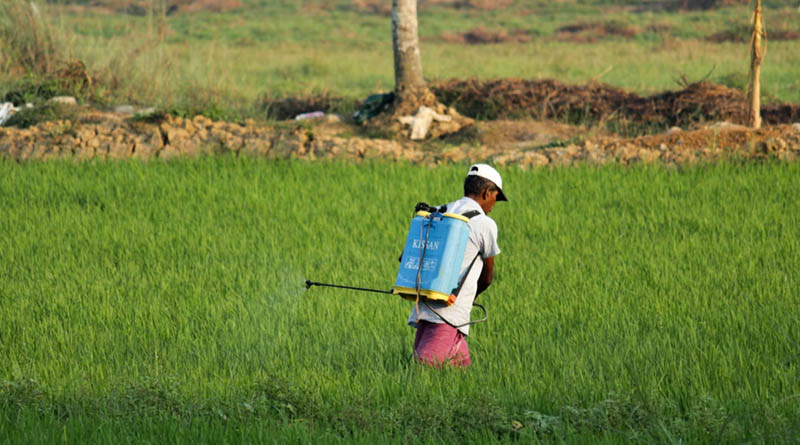
Carbosulfan is a carbamate insecticide and nematicide used to control a range of insect pests and nematodes. It acts by inhibiting acetylcholinesterase, disrupting the nervous system of target pests. Carbosulfan has been used in crops including rice, cotton, maize, potatoes, sugar beet, citrus, chilli, brinjal and other horticultural crops, depending on national registrations and approved uses.
In India, Carbosulfan has become a major pesticide regulatory issue in 2026. The Ministry of Agriculture and Farmers Welfare published a draft Banning of Carbosulfan Order, 2026, proposing to prohibit its import, manufacture, sale, transport, distribution and use across the country. The proposal follows an Expert Committee review and consultations with the Registration Committee. The draft cites concerns including the insecticide’s toxicity, its metabolism to carbofuran, risks to humans and animals, and toxicity to birds, pollinators, aquatic organisms and other non-target species.
The proposed ban is currently a draft order, rather than a completed prohibition. The draft states that the ban would take effect upon final publication in the Official Gazette and proposes recalling existing Carbosulfan registration certificates. Public objections and suggestions were invited for 30 days following publication of the draft.
Carbosulfan is also relevant to international pesticide residue and food-safety discussions. The WHO/FAO Joint Meeting on Pesticide Residues has evaluated Carbosulfan, while India’s FSSAI pesticide database classifies it as a highly toxic insecticide under CIB&RC classification and provides residue-related information for food-safety compliance.
This category features Carbosulfan regulatory updates, pesticide bans and restrictions, scientific research, product registrations, crop protection, insect and nematode management, residue standards, environmental assessments, pesticide stewardship, and developments affecting India’s agrochemical industry and farmers.
Guest Author: Kapoor R., Senior Advisor – South Asia, NarraHarvest Advisors 07 September 2026, New Delhi: A recent article asked a fair
Read More01 September 2026, London: There is a question sitting underneath every pesticide ban announcement, and carbosulfan’s slow march toward prohibition raises it
Read More27 August 2026, London: Carbosulfan, a broad-spectrum carbamate insecticide sold under trade names such as Marshal, Posse, and Advantage, has gone from
Read More27 August 2026, New Delhi: The Government of India has proposed a complete ban on the manufacture, import, transport, distribution, sale and
Read MoreRegistration Committee has submitted its recommendations to the Government of India after reviewing the two pesticides; final regulatory decision is
Read More26 May 2026, New Delhi: As the Government reviews the sale of crop-protection products Paraquat Dichloride and Carbosulfan, following a restriction in
Read More