Growing Cocoa Without Clearing Forests: Building the Conditions for Agroforestry in Côte d’Ivoire and Guinea
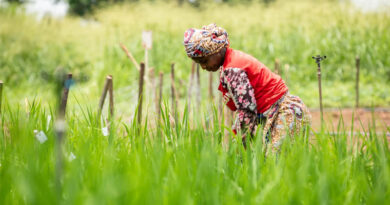
27 October 2026, Africa: The next time you unwrap a chocolate bar, there is a good chance its story began on a small family farm in West Africa.
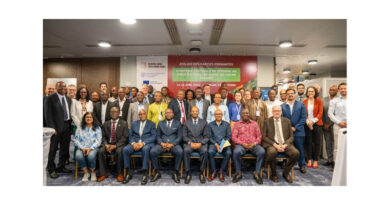
Côte d’Ivoire alone produces about 44% of the world’s cocoa, while neighboring Guinea is an emerging producer. But for decades, expanding cocoa production has also put pressure on forests. In June 2026, our team at the Alliance of Bioversity International and CIAT brought together more than 70 stakeholders in Abidjan and Conakry to explore how cocoa can grow alongside trees rather than at their expense.
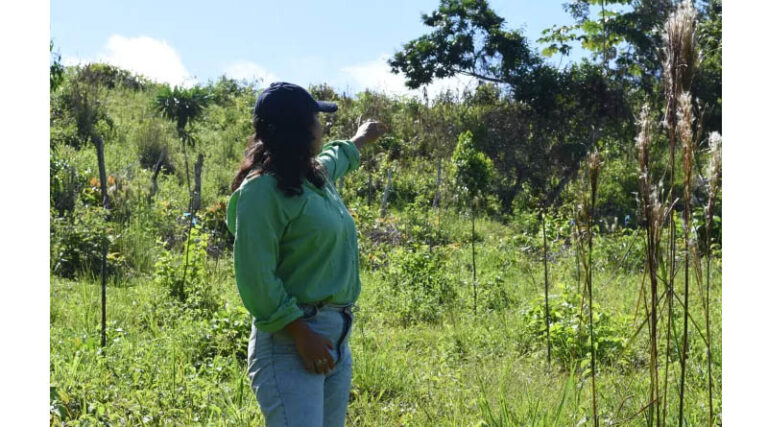
Cocoa is central to Côte d’Ivoire’s economy, supporting millions of smallholder farmers and contributing significantly to export earnings. Yet the country has lost much of its forest cover since the 1950s, and cocoa production has contributed to forest clearing, including inside protected areas. In Guinea, cocoa production is concentrated largely in the Forest Guinea region, where farmers face challenges including low yields, ageing plantations, limited infrastructure, access to finance and agricultural advice.
Climate change is adding another layer of pressure. Rising temperatures, changing rainfall, droughts and floods threaten both cocoa production and household incomes. At the same time, the European Union Deforestation Regulation is increasing the importance of traceability and demonstrating that cocoa entering the EU market is not associated with deforestation or forest degradation.
Agroforestry is part of the solution but farmers cannot do it alone
Cocoa agroforestry offers a way forward. Instead of growing cocoa in cleared areas without other trees, farmers can integrate shade, fruit and timber trees into their farms. These trees can provide carbon storage, habitat, soil benefits and shade, while helping cocoa farms adapt to a changing climate. Research also suggests that expanding tree-based cocoa systems across West Africa could deliver substantial climate benefits.
But our work shows that the challenge is not simply convincing farmers to plant more trees. The bigger question is whether the system around farmers enables them to do so.
Farmers may lack secure rights over land and trees. Agroforestry can require additional labour, while some financial benefits take years to materialize. Quality seedlings, extension services and affordable finance may be difficult to access, and markets do not always reward farmers for producing cocoa in more sustainable ways. At the same time, organizations working across the cocoa sector may not always coordinate their efforts.
In other words, farmers are being asked to make a long-term investment, but the conditions around them do not always support that investment.
Changing the conditions around the farmer
This is where our work comes in. Through the CGIAR Climate Action and Scaling for Impact Science Program, we use a Six-Step Scaling Approach to understand not only what farmers need to change on their farms, but also what needs to change in the wider system.
The approach asks six practical questions:
- Where are emissions and forest loss coming from?
- What are governments and stakeholders trying to achieve?
- What enables or prevents farmers from adopting agroforestry practices?
- How can value chains improve to accommodate agroforestry practices?
- What business models and financing can support change to Agroforestry systems?
- And what will the benefits and trade-offs be for climate and people?
The approach combines research with the experience of farmers, officials, companies and researchers so that evidence can be tested against what is happening on the ground.
This work also draws on research examining cocoa value chains in Côte d’Ivoire and Guinea. The two CGIAR reports explore the practical barriers to adopting more sustainable cocoa production, including access to planting materials, finance and markets, as well as the roles of cooperatives, aggregators and other value chain actors. Their findings reinforce why scaling agroforestry requires looking beyond individual farms to strengthen the wider systems that support farmers.
From evidence to shared priorities
In June 2026, we applied this approach through national workshops in Conakry, Guinea and Abidjan, Côte d’Ivoire. Across the two workshops, 71 stakeholders from government, research, farmer organizations, companies and civil society participated. They reviewed evidence, discussed barriers and prioritized the conditions they considered most important for scaling cocoa agroforestry.
The discussions produced two country-level frameworks for action. In Côte d’Ivoire, participants highlighted markets, farmer training and advice, and finance as urgent priorities. In Guinea, discussions highlighted finance and market access, alongside the importance of strong institutions, extension services and coordination. Participants also identified practical areas for action, including stronger rights over trees, better support for producers, improved financing, fairer market incentives and systems that can help track progress and potentially unlock climate finance.
These are important steps, but they are not the end of the journey. The workshops created a shared evidence base and helped different actors see where their priorities overlap and where further coordination is needed.
What comes next?
The next step is to turn these priorities into practical Enabling Environment Strategies for Côte d’Ivoire and Guinea. These strategies will provide a roadmap for addressing the institutional, policy, financial, market and knowledge barriers identified through the work and will help inform future projects supported by the Government of Italy.
The ambition is bigger than two countries. Lessons from Côte d’Ivoire and Guinea can inform similar efforts in other cocoa-producing countries, including Cameroon and Ghana.
Ultimately, scaling cocoa agroforestry is not only about planting more trees. It is about creating the conditions that allow farmers to keep those trees standing, benefit from them and build more resilient livelihoods.
If we can get those conditions right, growing cocoa can become part of the solution to forest loss and climate change, not another driver of the problem.
Also Read: Global Biocontrol Market to Reach USD 15 Billion by 2032
Global Agriculture is an independent international media platform covering agri-business, policy, technology, and sustainability. For editorial collaborations, thought leadership, and strategic communications, write to pr@global-agriculture.com