New Fungicide Strategy For Downy Mildew In Salad Crops
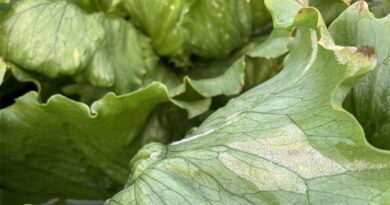
01 April 2026, UK: New races of downy mildew (Bremia lactucae) emerged during the 2024 growing season
Higher emphasis on integrated control of damaging disease, including varietal selection and crop hygiene
Loss of some fungicide protection requires a rethink on disease control strategy
The wet autumn and winter weather pattern of 2026 looks set to encourage disease
Disease strategy 2026
Fungicide applications are a crucial part of the strategy to ensure product quality and ensure that selection pressure is reduced. This will also help to increase the longevity of varietal resistance, advises Syngenta Technical Manager, Simon Jackson.
Application timing is crucial, focussing on preventative applications based on a forecast or decision management system to improve efficacy. Apply fungicides at a 7–10-day interval during periods of disease pressure.
Start with AMISTAR® as a protectant when the crop is small and disease risk is lower.
ORONDIS® Vip application is ideally suited mid to end of the crop cycle, once the crop has good ground cover (head filling) and disease risk increases due to the denser canopy.
REVUS® is a good fit near maturity as the short 7-day harvest interval allows flexibility approaching harvest.
The actual number of applications needed will depend on disease pressure, application interval and time from planting to harvest.
To avoid the likelihood of disease pathogen resistance developing, fungicides should be applied following FRAG-UK guidelines. To minimise the risk of resistance in pathogen populations, mix or alternate products with different modes of action. Avoid sequential applications of products with the same mode of action.
New ORONDIS Vip combines the outstanding protection of oxathiapiprolin, with the highly systemic metalxyl-M in an easy-to-use formulation. The co-form fungicide provides a robust resistance management mechanism.
ORONDIOS Vip has superseded the renowned ORONDIS Plus + AMISTAR and is uniquely suited to deliver protection of established leaves, as well as newly emerging growth.
Approved for leafy salads in autumn 2025. ORONDIS Vip is also approved for some other vegetable crops, including allium, brassica and herbs.
Downy mildew disease facts
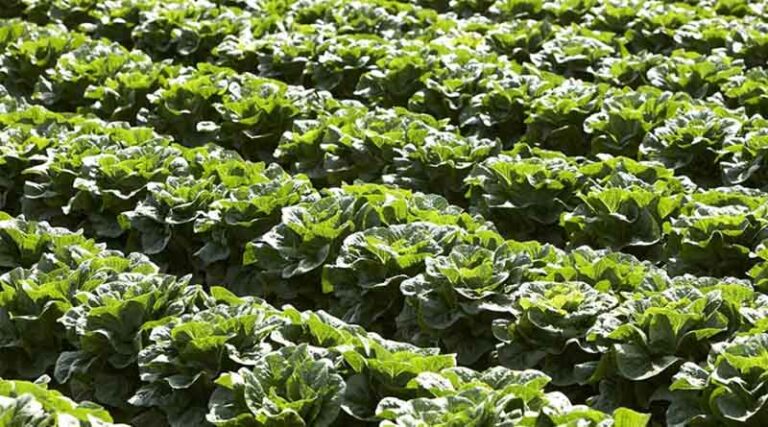
Downy mildew the most widespread and damaging disease of salads across the UK.
Highly aggressive disease infection can reduce salad crop marketability, increase harvesting costs and shorten shelf life.
Foliar symptoms can increase very quickly in favourable conditions. Temperatures between 10⁰C and 17⁰C with high relative humidity are optimal for infection. Effective control of this disease requires an integrated approach using well timed fungicide applications along with cultural techniques.
ORONDIS Vip Field results
Field trials data from autumn 2025 has illustrated the high level of efficacy and longevity of downy mildew control delivered by new ORONDIS® Vip.
With the very late onset of disease pressure, just three fungicide applications were required in total, commencing on the 2nd September at 14-day intervals (applications 2nd September, 19th September and 1st October).
As illustrated in the graph below, ORONDIS® Vip delivered the same high level of efficacy as ORONDIS® Plus + AMISTAR, and significantly outperformed other commercial downy mildew programmes.
The combination of ORONDIS® Vip with REVUS® delivered the highest level of efficacy and the cleanest leafy salads.
Variety resistance
The downy mildew pathogen in lettuce is ever evolving. While the International Bremia Evaluation Board (IBEB-EU) has recognised 41 unique races of global economic importance, many other races exist and continue to evolve with European populations.
With races evolving quickly, Syngenta Vegetable Seeds breeders keep a close watch on evolving races and, looking up to 10 years in the future, continue to adapt the breeding program to address these challenges.
Close collaboration between breeders, growers, agronomists and the entire industry, to monitor changes in downy mildew isolates in the field, enable development of lettuce varieties that are resistant to new isolates.
Syngenta already now has varieties that are resistant to isolates 38, 39, 40 and also 41, in all lettuce and leafy salad segments, including varieties such as:
Classio
Segment: Red Apollo
Resistance: (HR) Bl: 29-41EU / Nr: 0 / Fol: 1, 4
Tashita
Segment: Babyleaf
Resistance: (HR) Bl: 29-41EU / Nr: 0 / (IR) LMV: 1
Hydros
Segment: Gem
Resistance: (HR) Bl: 29-35, 37, 38, 40-41EU / (IR) Fol: 1
Ice Country
Segment: Iceberg
Resistance: (HR) Bl: 29-41EU / Nr: 0 / TBSV / Fol:4
Integrated approach
The best effects for downy mildew control includes a robust and diverse fungicide strategy, along with multiple cultural controls using as many options as practical:
- Select varieties resistant/tolerant to the races in your area
- Rotate crops to avoid inoculum build up in the soil
- Grow on fields with a good airflow during higher risk periods of the season
- Ensure resilient crop growth, including nutrition, irrigation and bio-stimulant applications at key timings, such as MAXICROP® during early growth to aid establishment, promote root growth and early chlorophyll production.
Also Read: ADAMA’s Makhteshim Plant in Israel Affected Amid Ongoing War
Global Agriculture is an independent international media platform covering agri-business, policy, technology, and sustainability. For editorial collaborations, thought leadership, and strategic communications, write to pr@global-agriculture.com