Simon’s Seasonal Insights – September – Brassicas Bounce Back
02 September 2026, UK: The past couple of weeks have seen a welcome relief to the intense light and heat, also some much-needed rain. After a long period of difficult growing conditions, some optimism is due for what remains of the summer crops and for winter brassicas.
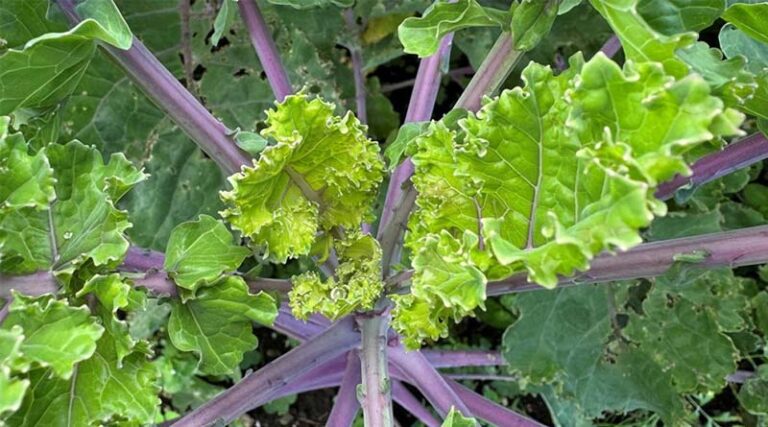
It’s amazing how crops bounce back. On our Lincolnshire demo site the sprouts have struggled, with no supplemental water applied, but looking this week new growth is very noticeable. But they need continued help to recover and maintain growth through to harvest.
You can see the results of the new Syngenta fungicides and biostimulants at the Open Day in October – REGISTER HERE
Caterpillar challenge
Along with the extreme weather, another challenge has been insect pests. Through June and July both aphid and caterpillar pressure was persistently high, and a big challenge to control.
As expected aphid numbers crashed in mid-July, and an interesting thought is what effect the lack of moisture and limited alternative hosts will have on their later re-emergence.
However, it’s fair to say that cabbage aphid remains a significant issue, with only a very short respite of low incidence in crops.
Disease pressure building
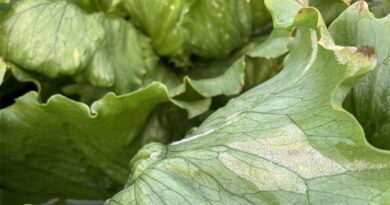
The hot and dry conditions have reduced issues with the standard summer brassica diseases – ringspot and downy mildew. But has been ideal for powdery mildew, which has illustrated some very visible variety differences.
It’s always recommended to build disease control on the longer season crops, such as Brussels sprout, as the untreated lower canopy can be difficult to target later and will serve as a site for infection, especially as it turns wetter for longer and ideal for infection.
For now, AMISTAR® Top continues to provide high levels of disease control, making it an ideal product for alternation within the fungicide programme. The broad-spectrum control, which includes contribution to white blister, justifies its position as a strong solution. Results from our 2025 cabbage trial clearly highlight its value for early autumn disease control.
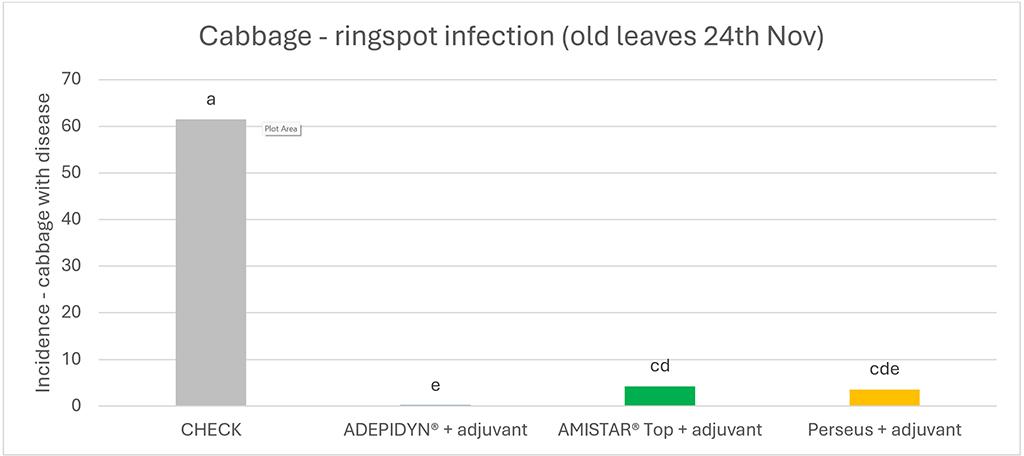
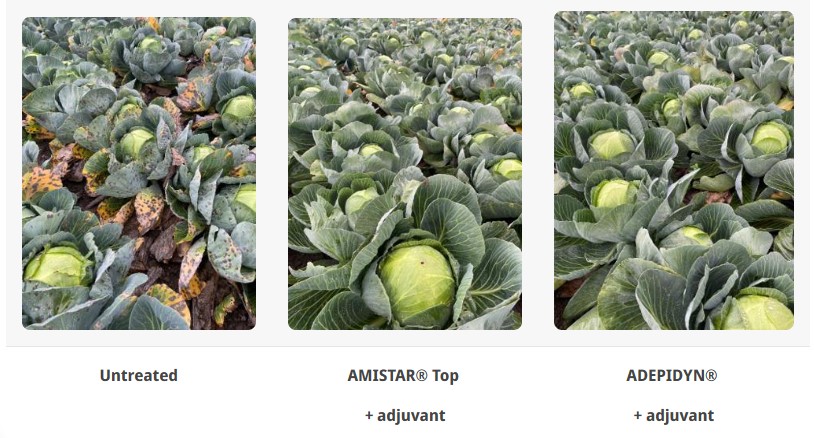
You’ll also note from the ringspot results the outstanding performance of our new ADEPIDYN® formulation. The approval of for that is drawing closer, which will bring long persistency of control and, as seen in our trails below, control of light leaf spot which can be a challenge.
Downy mildew solution
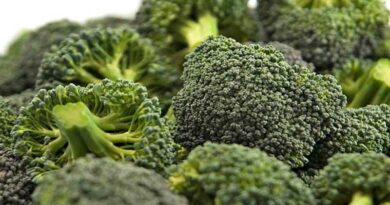
With the combination of increasing morning dews, much needed rain and warm temperatures, the risk of serious brassica disease will increase. Along with ringspot, we’ll see downy mildew risk is also likely to increase. It’s an issue in autumn harvested broccoli, and can also cause blackened vascular tissue in storage cabbage.
Fortunately, we have a good solution for this in our new ORONDIS® Vip. Recommended application timing is at head formation in broccoli and/or when leaf symptoms are seen in both crops.
ORONDIS® Vip contains oxathiapiprolin, a very active solution for downy mildew and is complimented by the inclusion of metalaxyl-m in the co-formulated product. It’s a very strong systemic solution for systemic downy mildew.
Biological and biostimulant performance in brassicas
This season has seen increased use of our biological solutions, including the MAXICROP® range and QUANTIS®. The prolonged dry conditions and periods of extreme heat have provided a demanding test of these products, and an opportunity to understand how they can support brassica crops under significant environmental stress.
During severe stress, crops will naturally prioritise survival, temporarily slowing growth, nutrient movement and other physiological processes. Dry soils can also influence uptake and movement within the plant, while differences in soil moisture, rooting depth and canopy development may increase variation.
Biostimulants are designed to complement good agronomy by supporting crop growth and development during challenging periods. Depending on the product and programme, potential benefits in brassica crops include:
- Promoting root development and soil exploration
- Supporting nutrient uptake and efficient nutrient use
- Helping the crop manage stress-related cell damage
- Providing targeted nutritional support
- Supporting recovery and renewed growth when conditions improve
Consequently, the benefits of a single application or programme of biostimulants may not yet be visually apparent above ground. Some responses that have occurred within the plant could become clearer through improved recovery, continued development, crop quality or marketable yield as the growing conditions become more favourable.
As we return to less extreme growing conditions it will help illustrate the crop health and quality benefits in later crops.
October Open Day
The October demonstration site Open Day features a range of crops and biostimulant application programmes – providing an opportunity to review both visible crop responses and wider measures of performance. We look forward to discussing the season’s results and sharing our strategy for supporting healthier, more resilient brassica crops.
Also Read: Syngenta Welcomes Trevor Watson As Turf Territory Manager For Mid-atlantic And Northeast Region
Global Agriculture is an independent international media platform covering agri-business, policy, technology, and sustainability. For editorial collaborations, thought leadership, and strategic communications, write to pr@global-agriculture.com