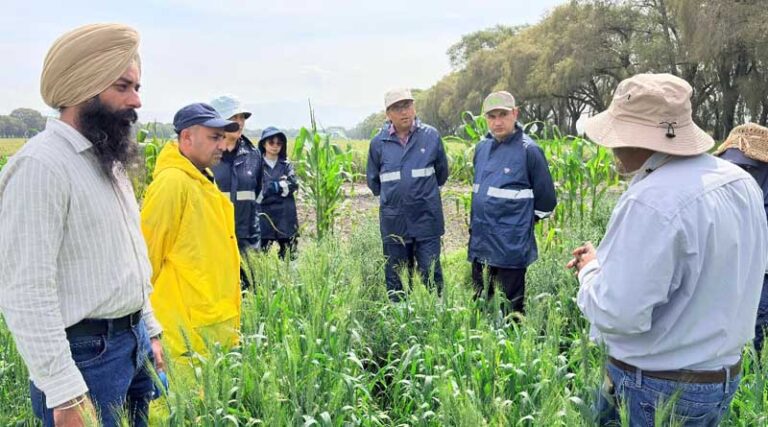
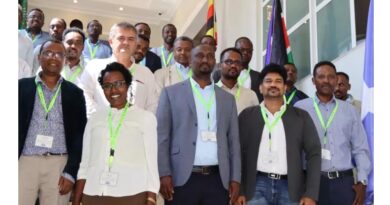
17 October 2026, Mexico: CIMMYT hosted more than 10 participants from Argentina, India, Pakistan and Thailand for a month-long wheat breeding and pathology training course from August 15 to September 15, 2026. Held at CIMMYT’s Sanjaya Rajaram Experimental Station in Toluca and at its headquarters in El Batán, Texcoco, the course trained participants to weigh disease resistance alongside field performance when deciding which wheat lines to advance.
Toluca is well suited to this kind of training. Conditions there allow researchers to evaluate wheat against yellow rust, Septoria and Fusarium head blight, and to identify sources of resistance. Because pathogens evolve, resistance that works today can break down, so it must be tested continually. Assessing disease alongside agronomic traits helps breeders develop varieties that maintain their yields under disease pressure.
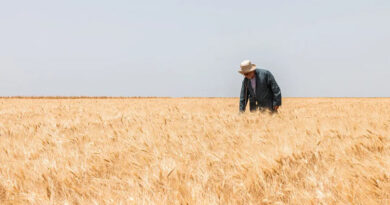
Field work began early in the course. Participants made selections in F3 populations (the third generation after a cross), observed breeding materials and field trials, and discussed technical questions with CIMMYT breeders and scientists. Working with these populations showed participants how breeders identify promising plants as traits segregate across generations, and how field observations inform decisions about which materials to advance.
The course also included the CIMMYT Wheat Field Day in Toluca, which offered participants a broader view of how wheat improvement draws on expertise in breeding, pathology and related disciplines. Seeing ongoing research in the field helped them place individual selection decisions within the longer process of developing and evaluating improved germplasm.
Coming from four countries with different wheat-growing conditions and research systems, participants compared experiences and considered how approaches observed at CIMMYT could be adapted to the priorities and resources of their home institutions.
The value of this training extends to the research that participants carry out after returning home. Applying field selection methods and strengthening collaboration between breeders and pathologists can help them develop productive, disease-resistant wheat varieties. Continued exchange with CIMMYT and fellow participants can also help sustain learning as new questions emerge in national programs.
Training of this kind builds the scientific skills and partnerships needed to turn wheat improvement research into varieties suited to farmers’ conditions.
Global Agriculture is an independent international media platform covering agri-business, policy, technology, and sustainability. For editorial collaborations, thought leadership, and strategic communications, write to pr@global-agriculture.com