Global Study Maps Path for “Green and Efficient” Maize to Lift Yields While Cutting Nitrogen Pollution
16 September 2026, Beijing, China: A large international research team led by the University of Science and Technology Beijing has produced the most comprehensive assessment yet of maize varieties bred to deliver more grain while using nitrogen fertilizer more cleanly, concluding that wider adoption of these “green and efficient” (G&E) varieties could raise global maize output by roughly 18 percent and cut harmful nitrogen losses by more than a quarter. The study, published in Science Bulletin on August 30, 2026 and issued as a EurekAlert release on September 3, 2026, was led by researchers Xiangyuan Wan and Xun Wei, with co-authors from China Agricultural University, Zhejiang University, Wageningen University and Research in the Netherlands, and the International Maize and Wheat Improvement Center (CIMMYT).
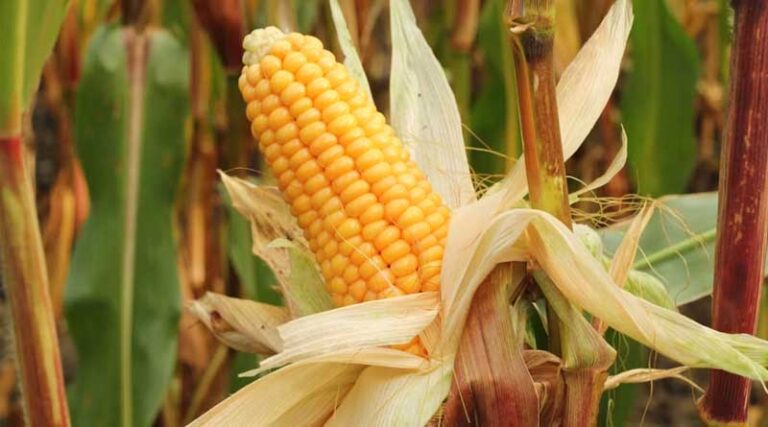
Maize is the world’s most widely grown cereal, and nitrogen fertilizer is central to its productivity, but a large share of applied nitrogen is never taken up by the crop. It escapes instead as runoff into waterways or as gases such as nitrous oxide, a potent greenhouse gas, and ammonia, which contributes to air pollution. Breeders have spent decades developing G&E maize lines that combine higher yield with better nitrogen uptake or lower nitrogen loss, but until now there has been no systematic, global picture of how well these varieties actually perform once data from many separate trials and regions is pooled together.
Pooling Genetics, Field Trials and Soil Data
Rather than running new field trials, the team built a large synthesis by combining three types of existing data. First, they compiled genetic data covering 27,516 quantitative trait nucleotides (QTNs) and 3,272 quantitative trait loci (QTLs), the specific stretches of DNA already linked to yield or nitrogen-related traits in maize breeding research. Second, they analyzed performance records for 539 existing maize varieties bred with green and efficient traits. Third, they reviewed 1,709 field observations drawn from 96 separate published studies conducted across different countries and growing conditions. To estimate how these varieties would perform if deployed globally, the researchers applied random forest models, a machine learning method that combines many decision trees to make more reliable predictions, to 561,359 gridded datasets covering local soil and climate conditions worldwide.
The synthesis found that G&E maize varieties already in use raise yields by 10.1 percent on average compared with conventional varieties, or 12.7 percent after a statistical adjustment called trim-and-fill that corrects for publication bias in the underlying studies. These varieties also improved nitrogen utilization efficiency, meaning the grain produced per unit of nitrogen absorbed, by 16.7 percent. However, the analysis also flagged a trade-off: nitrogen uptake efficiency, or how much of the applied nitrogen the plant actually absorbs from the soil in the first place, declined by 13 percent in these varieties, suggesting current G&E breeding has favored using absorbed nitrogen more efficiently over pulling more of it from the soil.
Projecting these traits across all suitable maize-growing regions worldwide, the model estimated that full adoption of G&E varieties could increase global maize yield by 18.1 percent, adding an estimated 145.78 million tonnes of grain annually, while cutting reactive nitrogen losses, the runoff and gaseous emissions that damage water and air quality, by 26.6 percent, or about 1.49 million tonnes a year. The authors caution that full adoption is unrealistic in the near term and instead point to a more attainable benchmark of roughly a 9 percent yield gain and a 13 percent cut in nitrogen losses under realistic uptake scenarios.
Closing the Gap Between Lab and Field
The study’s authors describe what they call a three-stage translation gap between scientific discovery, commercial seed availability and actual farmer adoption, arguing that realizing even the conservative benchmark will require coordinated progress across genetics, breeding pipelines, seed regulation and on-farm crop management, not genetics alone. They single out regions with the greatest potential gains, generally areas where nitrogen use is currently inefficient, as needing the most support in the form of advanced genomic selection tools, gene editing techniques and policies that help move new varieties from research plots into commercial seed systems and onto farmers’ fields.
Global Agriculture is an independent international media platform covering agri-business, policy, technology, and sustainability. For editorial collaborations, thought leadership, and strategic communications, write to pr@global-agriculture.com