05 October 2026, Beijing: Chinese researchers say large-scale field trials using irrigation water treated with solar-activated natural minerals produced sharp yield increases across several major crops, offering a potential new tool for raising farm output without relying solely on new seed varieties or heavier fertilizer use.
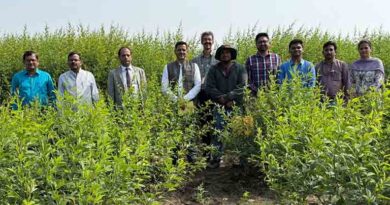
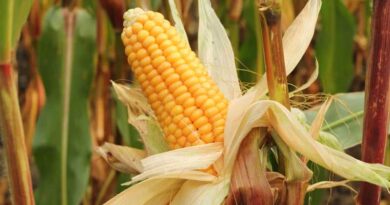
The trials, reported by the South China Morning Post on October 2 and led by Lu Anhuai, a professor at Peking University’s School of Earth and Space Sciences, were carried out across a wide geographic spread, from Heilongjiang in China’s northeast to Hainan in the south. Researchers tested the method on rice, wheat, soybeans, peanuts, sweet potatoes, sugar cane and vegetables. According to figures the scientists provided, rice yields rose by as much as 40.6 percent, wheat by 24.7 percent, sugar cane by 45.7 percent, and sweet potatoes by 109.5 percent in one trial plot.
How the Method Works
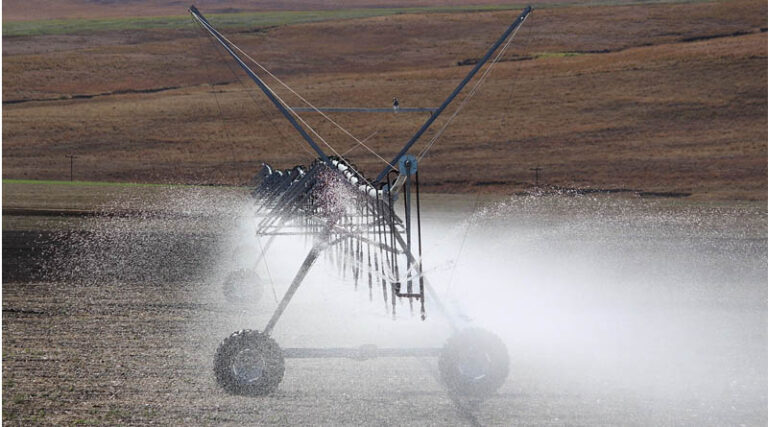
The technique involves passing irrigation water over natural mineral surfaces that have been activated by sunlight before the water reaches the field. Lu described the approach as improving how efficiently plants use available sunlight for photosynthesis, rather than altering the plant’s genetics or soil nutrient profile directly. He called it “a new track” for increasing agricultural production, positioning it as an alternative pathway alongside more conventional routes such as improved crop varieties and higher fertilizer application.
If the reported gains hold up under wider and independently replicated testing, the approach would be notable because it targets the efficiency of light use in photosynthesis rather than the nutrient or genetic constraints that most yield-boosting technologies address. Much of the yield gain in modern agriculture over the past several decades has come from breeding and from nitrogen, phosphorus and potassium fertilizer application. A technique that instead works through water treatment, with no apparent change to seed, soil chemistry or cropping practice, would represent a different kind of lever if it scales.
It is worth being cautious about the numbers at this stage. The figures reported so far come from the research team itself, relayed through a single media account, and do not yet appear to have gone through independent peer review or been replicated by outside institutions. The percentage gains also vary enormously by crop and by trial plot, from the mid-20s for wheat to over 100 percent for one sweet potato plot, which is the kind of spread that invites scrutiny over trial design, plot selection and measurement methods. Extraordinary single-season results in agronomy trials do not always hold up when tested across more seasons, soil types and climates, so the responsible reading is that this is an early, promising result rather than a proven technology.
Why It Matters Beyond China
China’s government has made raising domestic grain and oilseed output a strategic priority for several years, aiming to reduce reliance on imported soybeans, maize and other feed grains. A low-cost water treatment technology, if validated, would fit that goal well because it would not require farmers to change seed suppliers, buy new equipment, or increase fertilizer spending, all of which carry cost and adoption barriers, particularly for China’s large population of smallholder and mid-sized farms.
For the broader agri-input industry, including companies and research bodies that compete with or complement China on crop science, this is a development worth tracking rather than dismissing. If Chinese institutions move toward commercializing water-treatment infrastructure for irrigation districts, it could eventually create a new sub-category within agri-input and AgTech investment, distinct from seeds, agrochemicals and fertilizers.
Global Agriculture is an independent international media platform covering agri-business, policy, technology, and sustainability. For editorial collaborations, thought leadership, and strategic communications, write to pr@global-agriculture.com