Indonesia Raises October Palm Oil and Cocoa Reference Prices
02 October 2026, Jakarta, Indonesia: Indonesia’s Ministry of Trade raised its crude palm oil export reference price for October to 1,042.15 dollars a tonne, up 3.44 percent from September, while simultaneously lifting its cocoa bean reference price by close to 7.5 percent, according to an official price-setting notice (siaran pers) published by the ministry on October 1. The increases signal that global vegetable oil and cocoa markets are tightening heading into the fourth quarter, with direct consequences for import costs in India and other major buyers.
How the reference price works
Under Indonesia’s export pricing mechanism, the ministry’s director general of foreign trade, Tommy Andana, sets a monthly harga referensi, or reference price, for crude palm oil based on an average of three benchmarks collected over a rolling 30-day window, in this case August 20 to September 19. For October, those three inputs were the Indonesia CPO Exchange at 938.89 dollars a tonne, the Malaysia CPO Exchange at 1,145.42 dollars a tonne, and Rotterdam port prices at 1,526.56 dollars a tonne. That reference price in turn determines the export duty, held at 178 dollars a tonne for October, and the export levy, set at 130.269 dollars a tonne, equivalent to 12.5 percent of the reference price. The levy funds Indonesia’s biodiesel subsidy program and its smallholder oil palm replanting fund, both administered through the state palm oil fund agency.
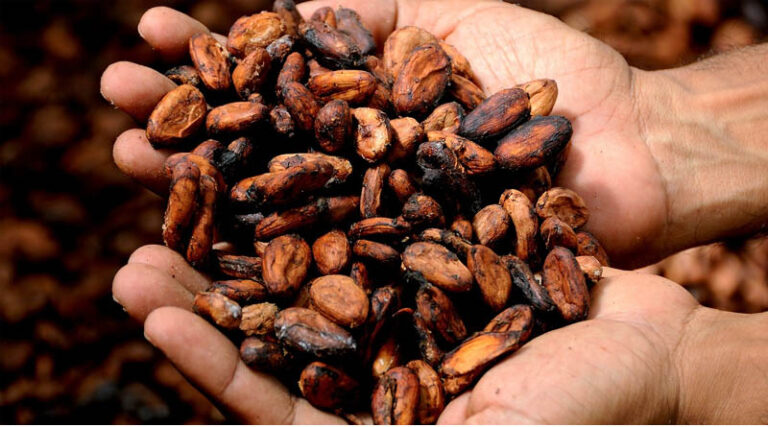
The same notice set October’s cocoa bean reference price at 6,057.87 dollars a tonne, a 7.49 percent rise from the prior period, and the related export reference price used for duty calculations at 5,686 dollars a tonne, up 7.88 percent. Andana attributed the increase to market conditions, international logistics costs and global trade dynamics, language that trade analysts have linked specifically to concerns that a developing El Niño weather pattern could reduce cocoa output in West Africa, where Ivory Coast and Ghana together supply roughly three-fifths of the world’s cocoa. Indonesia is a comparatively small cocoa producer, but its reference price still moves in step with the global benchmark that Ivorian and Ghanaian farmgate prices are indirectly measured against.
Indonesia’s move was not isolated. Malaysia, the world’s second-largest palm oil producer after Indonesia, also raised its own October reference price to around 4,452.66 ringgit a tonne in a separate notice issued in late September, pushing its export duty to roughly 10 percent for the month. The two countries, which together account for more than 80 percent of global palm oil supply, do not formally coordinate pricing, but their reference prices tend to track the same underlying Rotterdam and regional exchange benchmarks, so a simultaneous rise in both is a reasonably reliable signal that physical vegetable oil markets are tightening rather than a one-off domestic policy choice by either government.
Why the increase happened now
Palm oil prices have been supported through 2026 by Indonesia’s continued push toward higher biodiesel blending mandates, which pulls a growing share of domestic CPO production into fuel use and away from export and food markets. Indonesia’s trade ministry has previously linked reference price increases directly to that biodiesel demand, even as it has periodically delayed the most ambitious blending targets, such as a planned B50 mandate, citing crude oil and palm oil price volatility. A tighter exportable surplus, combined with firm Rotterdam prices, appears to be the main driver behind October’s increase.
Also Read: Dhanuka Agritech Launches Adjuvant Wetcit Neo and Rice Blast Fungicide Fujita for the Indian Market
Global Agriculture is an independent international media platform covering agri-business, policy, technology, and sustainability. For editorial collaborations, thought leadership, and strategic communications, write to pr@global-agriculture.com