Director-General Urges Connecting Expertise To Decisions And Investments At Euro-med Water Conference
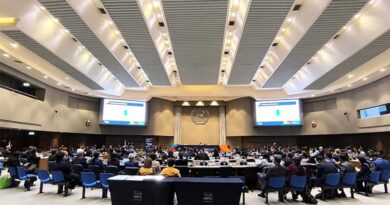
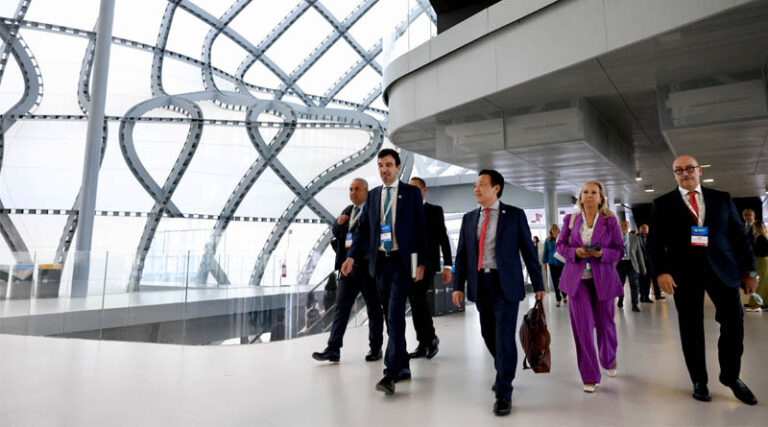
03 October 2026, Rome: The peoples of the Mediterranean basin have long found ways to live with water scarcity, and “that experience matters more than ever”, both locally and globally, Director-General QU Dongyu said today while addressing the opening ceremony of the Euro-Mediterranean Water Forum in Rome.
Greater water security entails supporting agriculture to use water more productively while protecting water sources on which everybody depends. Farmers need support in this endeavour, he said, adding, “they need reliable information, practical technologies, fair rules and investment.”
More than 40 countries have sent delegations to participate in the four-day Forum, which will focus on addressing severe drought, water scarcity, freshwater quality protection and extreme climate event management in cities.
New water technologies, digitalization opportunities, and innovative financial models will also be discussed. Panels and workshops will also explore water credits, risks faced by coastal wetlands, transboundary water governance and the prospects for Artificial Intelligence to improve efficiency.
Of paramount value is to connect the exceptional expertise accumulated by scientists, farmers, entrepreneurs and institutions in the Euro-Mediterranean region to decisions and investment at the scale required, Qu said.
Three priorities for action
FAO’s Director-General outlined three broad areas for priority action.
First, “make water information useful to the people who make decisions every day,” he said, noting water managers in any sector, public or private, need to see where supplies are under pressure. While “data alone does not save a drop of water,” FAO’s WaPOR platform, which uses satellite data to show how water is being used in agriculture and where productivity can improve, offers useful guidance to decision makers, he said.
Second, “invest where better water management will make a lasting difference,” he added. That can mean repairing or modernizing irrigation systems, improving soils to hold more moisture, choosing suitable crops or restoring landscapes that protect water supplies.
The Director-General’s third priority was to “cooperate across borders and across sectors,” since rivers and aquifers – like the effects of a failed harvest – do not stop at national boundaries. FAO supports National Water Roadmaps to help countries integrate their needs and be able to share information, plan for common risks and build trust before a crisis arrives.
Qu invited Forum participants to join this year’s Rome Water Dialogue to be held in Rome from 12 to 16 October during the World Food Forum highlighting that it was established four years ago with the purpose of bringing “governments and partners together to develop practical solutions through the 4Rs – reduce, reuse, recycle, rethink.”
Also Read: Dhanuka Agritech Launches Adjuvant Wetcit Neo and Rice Blast Fungicide Fujita for the Indian Market
Global Agriculture is an independent international media platform covering agri-business, policy, technology, and sustainability. For editorial collaborations, thought leadership, and strategic communications, write to pr@global-agriculture.com