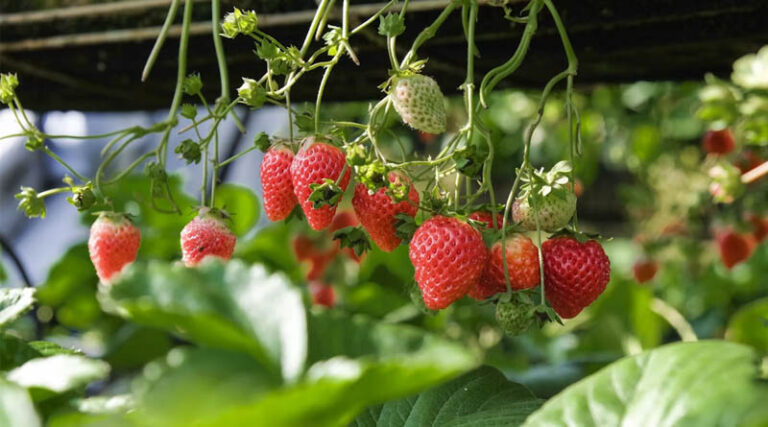
NC State Textile Cover Triples Strawberry Yields in Field Trials
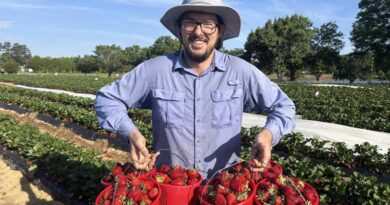
02 October 2026, Raleigh: A knitted textile cover developed at North Carolina State University increased strawberry yields by as much as 3.56 times over uncovered plants in multi-season field trials, without a single additional chemical spray. The technology, called Plant Armor, was detailed in a study published September 24 in the journal Agriculture and announced by the university on September 29. Researchers say the three-dimensional fabric blocks insect pests from reaching strawberry plants while still letting in sunlight, rain and airflow, offering growers a non-chemical option for pest control in high-value berry production.
The study was led by Gabriel Olawuyi, a graduate research assistant, working under R. Michael Roe, a William Neal Reynolds Distinguished Professor at NC State, along with seven other university co-authors. The fabric is knitted into a dense, layered structure that creates a maze-like barrier insects cannot navigate, even though the material itself is porous enough to allow normal growing conditions underneath. In tunnel field trials spanning three growing seasons, from fall through spring, the team compared strawberry plants grown under the fabric cover with plants left uncovered. Covered plants consistently outproduced uncovered ones, and the researchers found no negative effects on plant health, humidity levels, or light penetration beneath the cover.
Growers already use various forms of insect netting and row covers, but many existing materials either block too much light, trap excessive heat, or wear out quickly. The NC State team designed Plant Armor’s knit pattern specifically to balance pest exclusion with airflow and light transmission, which the researchers say is what allowed it to avoid the humidity and light problems that have limited adoption of earlier mesh products in warm, humid growing regions such as the southeastern United States.
A Warming Effect and Near-Total Pest Exclusion
Across all three seasons, the fabric produced a steady warming effect around the plants, which the researchers believe helped strawberries reach the fruiting stage earlier than uncovered crops, contributing to the yield gains. Separately, in laboratory bioassays, the fabric achieved what the researchers describe as absolute exclusion of aphids, meaning none of the test insects were able to pass through the material to reach plants on the other side. Aphids are small sap-feeding insects that damage strawberry plants directly and can also spread plant viruses, making them a priority pest for growers.
From Military Uniforms to Farm Covers
Plant Armor’s origins trace back to NC State’s textile engineering program, where researchers originally developed similar knitted fabrics for military clothing meant to resist mosquito bites and improve comfort for soldiers in the field. Over several years, the university’s entomology and textile teams adapted that base technology into a crop cover, with an early version first described in 2022. The latest trials represent the most rigorous, multi-season field validation of the concept to date. NC State says the fabric has now been licensed for commercial development, though the university’s announcement did not name a commercial partner or provide a market timeline.
Also Read: Dhanuka Agritech Launches Adjuvant Wetcit Neo and Rice Blast Fungicide Fujita for the Indian Market
Global Agriculture is an independent international media platform covering agri-business, policy, technology, and sustainability. For editorial collaborations, thought leadership, and strategic communications, write to pr@global-agriculture.com