Green Mediterranean Diet Cuts Pancreatic Fat 14%, Israeli Trial Analysis Finds
16 November 2026, Beer-Sheva, IL: A plant-rich “green” version of the Mediterranean diet cut fat stored in the pancreas by 14% over 18 months, against less than 1% for people following standard healthy-eating advice, according to an MRI analysis led by Ben-Gurion University of the Negev in Israel. The study, published online in the American Journal of Clinical Nutrition on 29 October and announced by the university on 12 November, also linked larger reductions to regular intake of walnuts and Mankai, a cultivated aquatic plant.
Fat that builds up in and around the pancreas, sometimes called intrapancreatic fat, has drawn growing research interest because the pancreas produces insulin, the hormone that controls blood sugar. Scientists have proposed that excess fat in the organ may interfere with insulin-producing cells and with how the body responds to insulin, both central features of type 2 diabetes. Unlike liver fat, however, pancreatic fat has no agreed clinical threshold that defines when it becomes a health problem, a point the researchers acknowledge.
How the trial was run
The findings come from DIRECT-PLUS, an 18-month randomised controlled trial in which participants were assigned to different eating patterns. The new paper is a secondary, post hoc analysis, meaning the pancreatic fat measurements were examined after the trial’s main questions had been answered. About 300 participants underwent abdominal magnetic resonance imaging (MRI) scans at the start and end of the study, allowing the team to measure fat in the pancreas directly rather than estimate it.
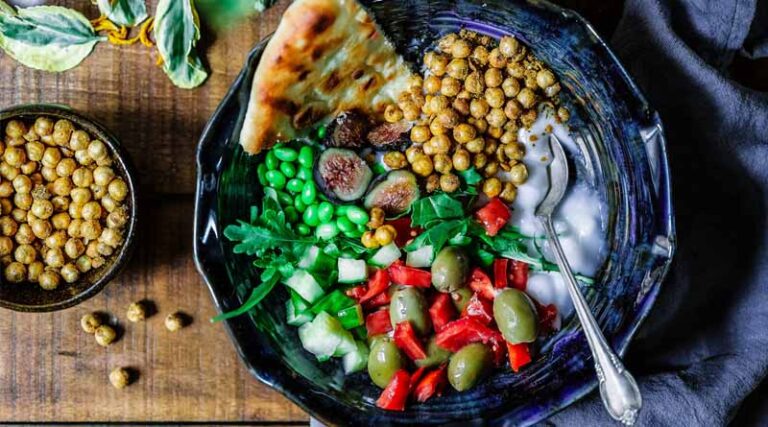
Participants were randomly assigned to the trial’s diet arms, which included the green Mediterranean diet and standard dietary guidelines, and all participants were encouraged to exercise and given free gym membership. The green Mediterranean pattern builds on the traditional diet of vegetables, legumes, whole grains, olive oil and fish by adding foods rich in polyphenols, a large family of plant compounds. Two foods stood out in the analysis. Participants who ate Mankai more than three times a week, or walnuts more than 5.5 times a week, showed the greatest drops in pancreatic fat.
Mankai is a strain of duckweed, also known as water lentil, a tiny floating plant grown in water-based systems and eaten fresh or blended into shakes. It is rich in protein and has been the subject of a series of nutrition studies from the same Israeli research group, which has examined it as a plant source of protein.
The headline result was a 14% fall in pancreatic fat in the green Mediterranean group, compared with 0.8% in the group given standard guidelines. The researchers reported that the reductions were accompanied by significant improvements in blood sugar control and insulin resistance, the condition in which the body’s cells respond poorly to insulin. The university’s announcement did not give the size of those improvements, and they should be read in light of the secondary nature of the analysis. Retention was high for a long diet trial, with 89% of participants completing the 18 months.
Who carried out the work
The paper’s lead author is Liav Alufer, a PhD candidate at Ben-Gurion University. The trial’s principal investigator is Professor Iris Shai of Ben-Gurion University, who is also Dean of Sustainability at Reichman University and an adjunct professor at Harvard. Collaborators included researchers at Harvard, among them Meir Stampfer and Frank Hu, and at the University of Leipzig in Germany, including Matthias Blüher and Michael Stumvoll.
The research was funded by the German Research Foundation (DFG) through its collaborative research centre programme and its Excellence Strategy, with grants awarded to Shai, Blüher and Stumvoll. The university’s announcement did not list any industry funding or conflicts of interest.
DIRECT-PLUS has produced a series of earlier papers using the same participants, examining the green Mediterranean diet’s links with liver fat, visceral fat around the abdominal organs and markers of brain ageing. The pancreatic analysis extends that work to a new organ, though because pancreatic fat was not one of the trial’s pre-planned outcomes, the finding is exploratory rather than a confirmatory test.
Walnuts are a widely traded tree-nut crop, while duckweed remains a niche food grown in controlled indoor water systems. In DIRECT-PLUS, the green Mediterranean group was asked to cut back on red and processed meat and rely more on these plant sources, and the links between Mankai or walnut intake and pancreatic fat loss come from comparing how much participants chose to eat, not from separate randomised groups.
Also Read: Crystal Crop Protection to Launch Rs 455 Crore IPO on November 18
Global Agriculture is an independent international media platform covering agri-business, policy, technology, and sustainability. For editorial collaborations, thought leadership, and strategic communications, write to pr@global-agriculture.com