Scientists Identify Rice Gene That Links Cold Tolerance to Nitrogen Efficiency
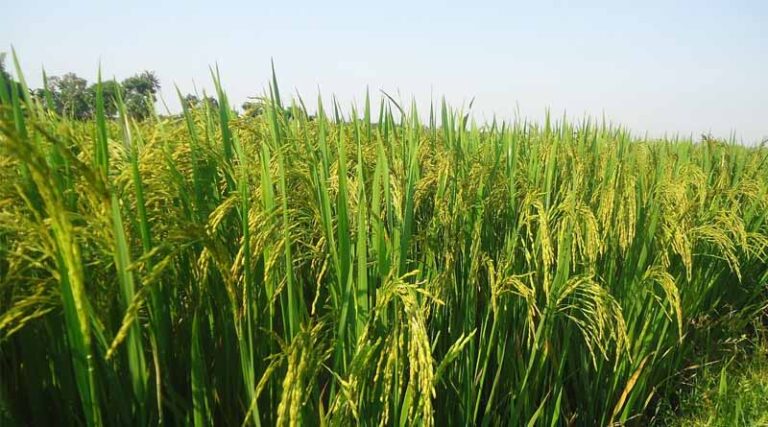
10 September 2026, Beijing, China: Researchers at the Chinese Academy of Sciences have identified a gene in rice that simultaneously governs how well the crop recovers from cold stress and how efficiently it uses nitrogen fertiliser, a discovery published in the journal Nature that breeders say could open a new route to varieties that need less fertiliser while surviving unseasonal cold snaps. The study, led by Kang Chong of the Institute of Botany with contributions from the University of Chinese Academy of Sciences and Yazhouwan National Laboratory in Hainan, appeared online in June and in Nature’s print edition in August 2026.
The gene, named CHPO for Chilling Phoenix, encodes a transcription factor that controls two separate stress-response systems rice plants rely on: recovery after a chilling event and the uptake and use of nitrogen. Crucially, the researchers found that rice carries two naturally occurring versions of the gene, one typical of japonica rice varieties and one typical of indica varieties, and these two versions behave in opposite ways under stress.
How the gene works
In the japonica version of the gene, CHPO directly activates two downstream genes, known as OsTCP19 and OsNRT2.4, which together improve how efficiently the plant absorbs and uses nitrogen while it is recovering from cold exposure. The team traced the functional difference between the two gene versions to a small stretch of repeating genetic code, a polyalanine tract, that changes how strongly the protein binds to DNA. That single structural difference appears to explain why japonica-type rice, more common in temperate growing regions such as northern China, Japan and Korea, tends to combine chilling tolerance with better nitrogen efficiency, while the indica-type version common across South and Southeast Asia does not show the same combined benefit.
The researchers describe the finding as a “molecular design strategy” that plant breeders can now use to select for both traits together, rather than treating cold tolerance and nitrogen efficiency as separate breeding goals, as has traditionally been the case.
Two problems addressed at once
Rice breeding programs worldwide have long struggled to make progress on cold tolerance and nitrogen efficiency simultaneously, since the physiological pathways involved were not well understood. Cold-stage yield losses remain a persistent risk in higher-latitude and higher-altitude rice zones, including parts of northern India and China’s rice belt, while excess nitrogen fertiliser use in rice paddies is a major contributor to both farm input costs and downstream water pollution and greenhouse gas emissions. A single genetic target that influences both problems gives breeding programs a more efficient path to varieties that need less fertiliser without sacrificing resilience to cold snaps during the vulnerable recovery stage after a chilling event.
The study is at the fundamental research stage. No commercial variety carrying an engineered or introgressed version of the japonica-type CHPO allele has yet been announced, and the practical work of breeding it into elite indica backgrounds, the dominant rice type across most of South Asia, remains ahead.
Also Read: Corteva and Globachem to Form Joint Venture for New Crop Protection Solutions
Global Agriculture is an independent international media platform covering agri-business, policy, technology, and sustainability. For editorial collaborations, thought leadership, and strategic communications, write to pr@global-agriculture.com