Bayer-Backed Startup Robigo Bio Advances Engineered Biologicals to Fight Soybean Disease
19 September 2026, Massachusetts, USA: A Cambridge, Massachusetts-based biotechnology company has raised a Series A funding round led by Leaps by Bayer to scale up a platform that engineers microbes to produce crop-protection compounds, with its first products aimed at two costly soybean and specialty crop diseases. The announcement, made September 17, 2026, signals continued investor interest in biological alternatives to conventional agrochemicals as companies look to develop new modes of action faster than traditional discovery timelines allow.
The company, Robigo Bio, is led by founder and chief executive Andee Wallace. Alongside Leaps by Bayer, the round included participation from Illumina Ventures, SVG Thrive, Congruent Ventures, and Endeavor8. The company did not disclose the funding amount.
Engineering microbes rather than screening them
Most biological crop-protection products on the market today are based on naturally occurring microorganisms, bacteria or fungi found in soil or plant tissue that are screened for useful activity against pests or pathogens, then formulated and registered largely as they occur in nature. Robigo’s approach, which it calls the ARGO platform, instead combines three elements: engineering microbial strains at the genetic level, selecting the best-performing engineered strains, and computationally designing the bioactive compounds those microbes produce.
In practice, this means the company does not rely solely on finding a naturally effective microbe. Instead, it can direct a microbial host to manufacture a specific compound designed to target a particular plant pathogen, while also optimizing that microbe for traits that matter for commercialization, including shelf stability and ease of manufacturing. The resulting product is applied as a one-time seed treatment, and the engineered microbe is designed to keep producing its active ingredient throughout the growing season. According to the company, this avoids the need for cold-chain storage, a persistent limitation for many biological products that use living organisms, and does not require growers to change existing planting or handling workflows.
Robigo says this engineering-first approach has cut the time from initial product design to a field-tested candidate to under 20 months, compared with an industry-standard timeline of three to five years for developing a new biological crop-protection product. That compressed timeline is central to the company’s pitch to investors and to Bayer specifically, since faster iteration could allow it to address a wider range of pathogens and crops than a conventional discovery-and-screening pipeline would permit in the same period.
Two lead targets: soybean and specialty crops
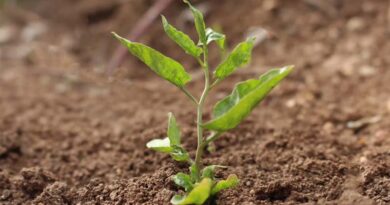
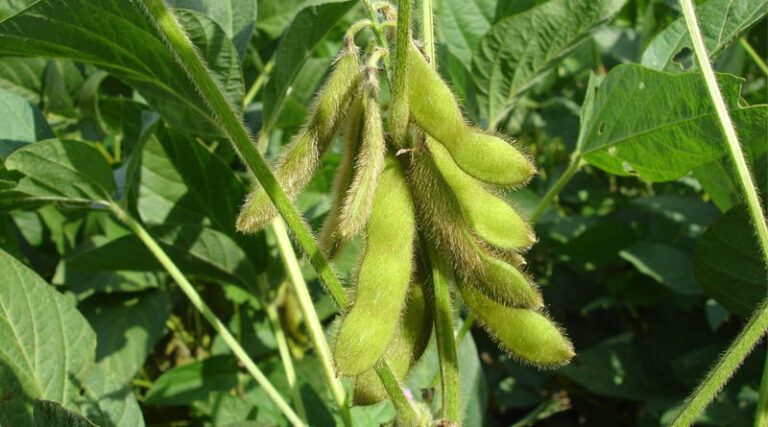
The company’s furthest-along candidate targets soybean sudden death syndrome, a soil-borne fungal disease that damages roots and can cause significant yield loss in the crop, particularly under wet, cool early-season conditions. Robigo says field trials of its engineered seed treatment for this disease matched the performance of existing commercial chemistry while costing about half as much to produce. The company is targeting a 2028 launch for this product.
A second candidate targets fusarium wilt, a soil-borne fungal disease that affects a wide range of crops including lettuce and berries, with a targeted 2029 launch. Robigo reported that in field trials, treated plants produced three times the yield of untreated controls under disease pressure, though as with any single company-reported trial result, independent replication across more locations and seasons will be needed before growers or regulators can treat that figure as representative of commercial performance. Beyond these two programs, the company said it plans to expand the ARGO platform into other soil-borne pathogens affecting broad-acre row crops, a market it estimates at around 10 billion dollars globally.
Also Read: CropLife India Flags Narrowing Crop Protection Options for Farmers
Global Agriculture is an independent international media platform covering agri-business, policy, technology, and sustainability. For editorial collaborations, thought leadership, and strategic communications, write to pr@global-agriculture.com