How to Use Bispyribac Sodium in Direct-Seeded Rice (DSR) for Effective Weed Control
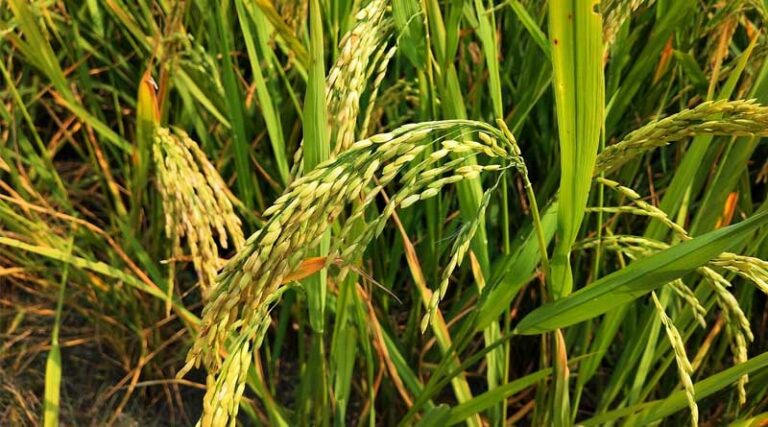
30 July 2026, New Delhi: With India’s kharif rice area reaching 16.6 million hectares (166 lakh hectares), timely weed management has become a priority for farmers cultivating direct-seeded rice (DSR). Weed competition during the early growth stage can significantly reduce crop establishment and yield if not controlled promptly. The ICAR-Central Rice Research Institute (ICAR-CRRI) has issued an advisory recommending the proper use of Bispyribac sodium for effective weed control in dry direct-seeded upland rice.
According to ICAR-CRRI, weeds compete with young rice plants for nutrients, moisture and sunlight during the initial weeks after sowing. Early weed management is therefore essential to ensure healthy crop growth and higher productivity.
When should Bispyribac sodium be applied?
Farmers are advised to apply Bispyribac sodium 10% SC 8-10 days after weed emergence, or when the weeds have reached the 2-3 leaf stage. Applying the herbicide at the recommended growth stage ensures effective weed control before weeds become established.
Recommended dose and application method
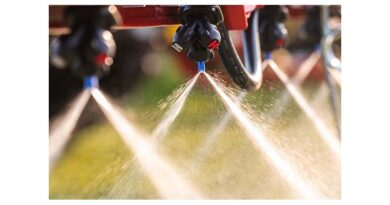
ICAR-CRRI recommends using 120 ml of Bispyribac sodium 10% SC per acre. The herbicide should be mixed in eight 16-litre knapsack sprayer tanks and sprayed uniformly across the field to achieve optimum coverage.
Apply 26 kg urea per acre after spraying
The institute further advises farmers to apply 26 kg of urea per acre about 2-3 days after the herbicide spray. This helps supply nitrogen to the crop after weeds have been controlled, promoting vigorous early growth and improving nutrient-use efficiency.
Alternative herbicide option
Where Bispyribac sodium has not been applied during the recommended window, farmers may use Fenoxaprop-p-ethyl 9 EC at 260 ml per acre approximately 20 days after sowing, provided the soil has adequate moisture.
Fields where herbicides have not been used
For fields where no herbicide has been applied, ICAR-CRRI recommends carrying out the first manual or mechanical weeding using a finger weeder or wheel hoe to suppress weeds during the critical crop establishment stage.
With rice sowing progressing rapidly across India, following these recommendations can help farmers minimise weed competition, improve nutrient availability to the crop and protect yield potential in direct-seeded rice systems. Timely weed management remains one of the most important agronomic practices for achieving better productivity in DSR cultivation.
Also Read: Bayer Launches New Insecticide Trance for Cotton in India
Global Agriculture is an independent international media platform covering agri-business, policy, technology, and sustainability. For editorial collaborations, thought leadership, and strategic communications, write to pr@global-agriculture.com