SNAP Soda and Candy Bans Now in 12 States as Four More Switch On
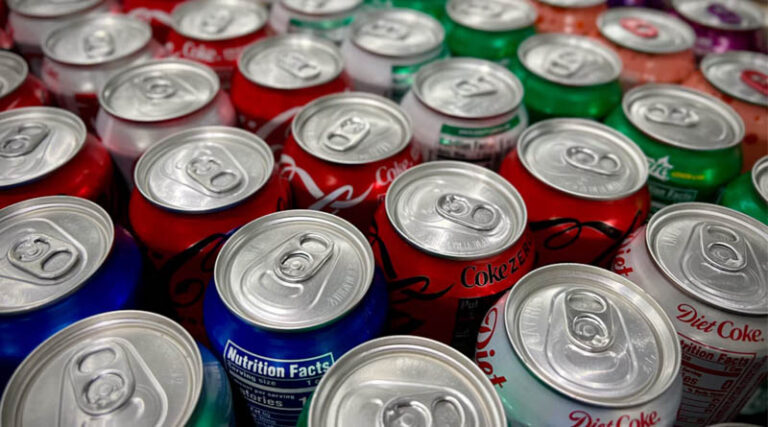
17 November 2026, Washington, US: Montana, North Dakota, South Carolina and Virginia began barring the purchase of sugary drinks and, in most cases, candy with food assistance benefits on November 1, lifting to 12 the number of US states where such restrictions are now in force under federal waivers. The US Department of Agriculture, which runs the Supplemental Nutrition Assistance Program (SNAP), the country’s main food aid scheme for low-income households, lists 23 states with approved restriction waivers on its program page, last updated November 12, with Nebraska next in line on December 1.
SNAP benefits, loaded onto an electronic card, can normally be spent on almost any food or non-alcoholic drink sold in an authorised store. The waivers allow individual states to step outside those federal rules and remove specific categories from the eligible list for a trial period. The categories vary from state to state, which means retailers that operate across state lines are handling a patchwork of definitions at the checkout.
Under the new rules, Montana has removed high-sugar beverages, energy drinks, candy and prepared desserts from SNAP eligibility. North Dakota has excluded sweetened beverages, energy drinks and candy, while South Carolina’s list covers candy, energy drinks, soft drinks and other sweetened beverages. Virginia has taken the narrowest approach, restricting only sweetened beverages.
A rolling, state-by-state rollout
The four states join eight that switched on restrictions earlier in 2026. Indiana and Utah went first on January 1, followed by Idaho and Oklahoma on February 15, Louisiana on February 18, Texas on April 1, Florida on April 20 and Arkansas on July 1. The scope again differs. Utah targets soft drinks alone, Florida also covers prepared desserts, and Arkansas has extended its list to fruit and vegetable drinks containing less than 50% natural juice, alongside soda, energy drinks and candy.
More states are queued. According to the USDA table, Nebraska plans to stop SNAP purchases of soda, soft drinks and energy drinks from December 1, adding candy from March 1, 2027. Wyoming follows on February 1, 2027 with sweetened carbonated beverages, then Kansas and Missouri on February 15, Hawaii and Ohio on April 1, and Nevada on February 1, 2028. Ohio’s waiver is the broadest on the beverage side, covering sugar-sweetened beverages and all fountain drinks, while Missouri’s includes certain unhealthy beverages and prepared desserts in addition to candy.
Not every approval has survived. On June 22, 2026, the US District Court for the District of Columbia, ruling in Aragon et al. v. Rollins et al., ordered that waiver approvals be vacated and that their implementation not proceed. The USDA page marks the waivers for Colorado, Iowa, Tennessee and West Virginia with that court order, and it has posted notices telling retailers in Iowa and West Virginia to stop applying the restrictions. Iowa’s had been the most sweeping request, covering all foods taxable under the state’s revenue rules, except plants and seeds that produce food. Tennessee’s covered processed foods and beverages such as soda, energy drinks and candy, Colorado’s soft drinks, and West Virginia’s soda.
The waivers sit at the centre of the administration’s push to tie federal food aid more closely to health outcomes, a goal championed by Agriculture Secretary Brooke Rollins, who has argued that taxpayers should not be paying for sugary drinks and sweets. Public health researchers have long linked high intake of sugar-sweetened beverages to weight gain, type 2 diabetes and tooth decay. Critics of the approach, including anti-hunger groups, have questioned whether restricting choices for low-income shoppers, many of whom live in areas with limited access to full-service grocery stores, will change diets, and say the rules add stigma and complexity at the register.
Retailers and suppliers adjust
For the food industry, the rollout means reprogramming point-of-sale systems store by store. Because definitions of “candy”, “soft drink” or “sweetened beverage” are written state by state, a product that remains SNAP-eligible in one state may be blocked across the border. Some waivers, such as Iowa’s blocked request, leaned on existing state sales tax definitions, while others list product categories directly.
The commercial stakes reach back through the supply chain. Soft drinks, energy drinks and confectionery are major end markets for US beet and cane sugar and for high-fructose corn syrup made from field corn, and beverage and candy makers are watching whether SNAP households switch to other products or pay for restricted items with cash. Because the waivers are framed as time-limited demonstrations, states are expected to report on how purchases change, evidence that will shape whether the model spreads or stalls once the trial periods end.
The USDA’s own table currently shows 12 states with restrictions in force, seven with start dates between December 2026 and February 2028, and four whose approvals are blocked by the June court ruling.
Also Read: ADM Opens New Destination Marketing Office in Nairobi, Strengthening Presence Across East Africa
Global Agriculture is an independent international media platform covering agri-business, policy, technology, and sustainability. For editorial collaborations, thought leadership, and strategic communications, write to pr@global-agriculture.com