India Reviews Kharif Crop Progress Using NDVI as Monsoon Deficit, El Niño Risks Persist
22 July 2026, New Delhi: India’s Ministry of Agriculture and Farmers’ Welfare has intensified monitoring of the 2026 Kharif season using the Normalised Difference Vegetation Index (NDVI) alongside rainfall, monsoon progress and sowing data, as concerns over below-normal precipitation and potential El Niño conditions continue to shape the cropping season.
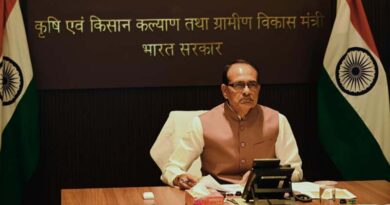
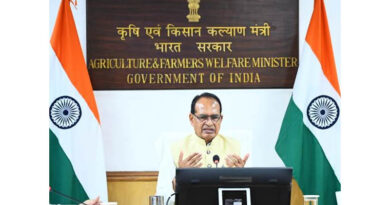
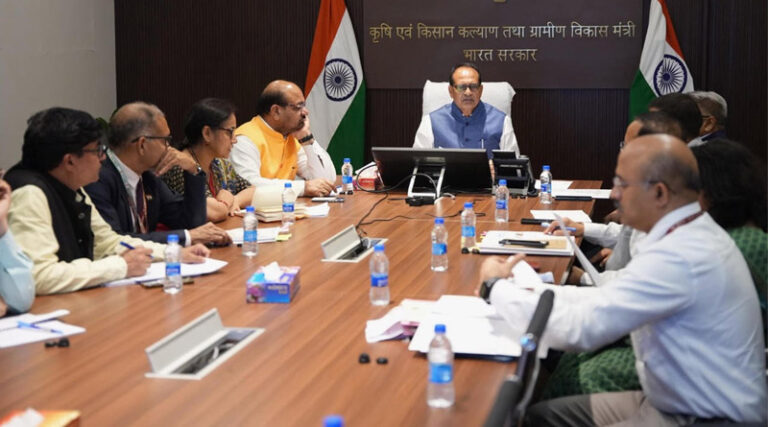
The comprehensive review, chaired by Union Minister for Agriculture and Farmers’ Welfare Shivraj Singh Chouhan, assessed Kharif sowing progress, rainfall distribution, reservoir storage, fertiliser and seed availability, and contingency planning for drought-prone regions.
As of 17 July 2026, Kharif crops had been sown across 65.82 million hectares (658.19 lakh hectares). Although the total sown area remains below last year’s level, officials reported encouraging progress in paddy, pulses and several other crops across multiple states.
Chouhan directed officials to maintain close surveillance of districts experiencing rainfall deficits and strengthen coordination with state governments. He also instructed that the national missions on pulses, oilseeds and cotton hold weekly review meetings with states to enable rapid field-level interventions.
A significant part of the review focused on the 270 rainfall-sensitive districts identified across the country. Officials evaluated crop conditions using NDVI, a satellite-based vegetation index widely used to assess crop health and vegetation vigour, together with rainfall patterns and sowing progress. The ministry also reviewed the latest forecasts from the India Meteorological Department (IMD), including the evolving El Niño outlook and its possible implications for agricultural production.
The review noted that the South-West Monsoon covered the entire country by 9 July 2026, only one day later than the climatological normal, creating favourable conditions for Kharif sowing across most agricultural regions.
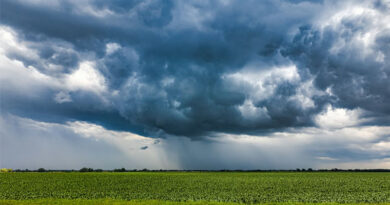
However, cumulative rainfall between 1 June and 15 July remained 23% below normal. India received 227 mm of rainfall during the period against the long-period average of 294.2 mm.
Eastern and northeastern India recorded the largest deficit, receiving 348 mm against the normal 540.2 mm, representing a 36% shortfall. Rainfall deficits were also reported in Southern Peninsular India (26%), Northwest India (19%) and Central India (13%).
The ministry said rainfall conditions are being continuously monitored, with contingency crop management measures being implemented in coordination with state governments wherever necessary.
The meeting also reviewed fertiliser distribution and seed supplies for the ongoing Kharif season. Officials informed the minister that adequate stocks of fertilisers, including urea, and quality seeds are available, with supplies being monitored continuously through coordination with state authorities.
Chouhan instructed officials to obtain regular ground-level feedback through Krishi Vigyan Kendras (KVKs) and state governments to ensure farmers receive fertilisers according to local demand and that any supply bottlenecks are resolved promptly.
Concluding the review, the minister directed both departments of the Agriculture Ministry to maintain continuous monitoring of Kharif agricultural operations through scientific advisories, weather-based crop management and close coordination with state governments, reaffirming the government’s commitment to safeguarding farm productivity despite weather-related challenges.
Also Read: Beyond Pesticides: Understanding the Real Causes of India’s Agricultural Export Rejections
Global Agriculture is an independent international media platform covering agri-business, policy, technology, and sustainability. For editorial collaborations, thought leadership, and strategic communications, write to pr@global-agriculture.com