Maharashtra Sugarcane Farmers Block Highway Over Mill Payments
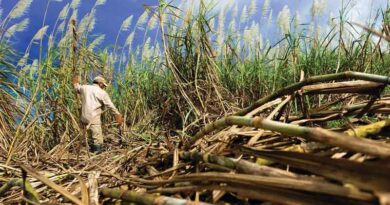
10 November 2026, Kolhapur, IN: Thousands of sugarcane farmers in Maharashtra’s Kolhapur and Satara districts blocked the Pune-Bengaluru national highway at the Kini toll plaza for a third consecutive day on November 5, demanding that sugar mills pay a first installment of Rs 4,500 per tonne for cane supplied this season, without any deductions.
The indefinite road blockade, organized by the Swabhimani Shetkari Sanghatana (SSS) under the leadership of former member of parliament Raju Shetti, began on November 3 and has kept farmers camped on the highway through the nights since, disrupting traffic on one of the busiest corridors linking Maharashtra and Karnataka. Shetti said the protest would continue until mills and the state government agree to the payment figure, and warned that farmers would not allow sugar factories in the region to run at full capacity until pricing is settled.
Threat of protests at mill owners’ homes
Shetti said that if farmers are forced to spend the Diwali festival period protesting on the roads, the SSS would escalate into a “Shimga” style agitation, a reference to demonstrations the organization has previously staged outside the homes of sugar factory chairmen and directors. He placed responsibility for the standoff on what he called the stubborn attitude of the Maharashtra government and sugar factory managements, saying neither side had moved to resolve the dispute even as the highway remained blocked for days.
Farmers taking part in the blockade said they had spent nights on the highway in tents and makeshift shelters, with organizers describing the turnout as running into the thousands and growing as the week went on. The protest follows a long-running pattern in Maharashtra’s sugar belt, where cane growers in Kolhapur, Sangli and Satara districts have repeatedly used highway blockades as leverage during the crushing season, when mills set the opening price they will pay for freshly harvested cane ahead of the government’s own benchmark price.
Shetti, a former Lok Sabha member from Hatkanangale and the founder of the Swabhimani Shetkari Sanghatana, has led cane-pricing agitations in the Kolhapur sugar belt for more than two decades, frequently using highway blockades, factory gate pickets and marches to press mills to pay above the nationally set Fair and Remunerative Price (FRP). The FRP is the minimum price the central government requires mills to pay growers for sugarcane, calculated using a formula tied to recovery rates, but growers in Maharashtra’s high-yielding western districts have long argued that mills should pay a premium on top of that floor given local cane quality and milling efficiency, a premium that is negotiated separately each season between growers, mills and the state government.
Highway remains disrupted as protest continues
Maharashtra is among India’s largest sugarcane-growing states by cane crushed each season and competes with Uttar Pradesh for the position of the country’s top sugar producer, meaning disruptions to the crushing season in Kolhapur and Satara, among the state’s most productive cane belts, can affect the pace of the state’s overall sugar output. The current dispute centers on the initial, or first installment, payment mills make to farmers at the start of the crushing season, a payment that is typically settled before full-scale crushing operations ramp up across the district.
Local authorities had not announced any formal closure or diversion order distinct from the farmers’ own blockade as of November 5, and the protest continued to disrupt both passenger and freight traffic along the highway, a key route for goods moving between the two states. Shetti said SSS activists would maintain the blockade in shifts, with fresh batches of farmers arriving to replace those who had been on the highway since the protest began, as the organization pressed mills in the Kolhapur and Satara belt to commit to the Rs 4,500 per tonne figure before cane deliveries resume at full volume.
Also Read: Syngenta Expands Zivalgo, Incipio Insecticide Use In Florida
Global Agriculture is an independent international media platform covering agri-business, policy, technology, and sustainability. For editorial collaborations, thought leadership, and strategic communications, write to pr@global-agriculture.com