Cyclone Murasu Damages 52,000 Hectares of Crops in Andhra Pradesh
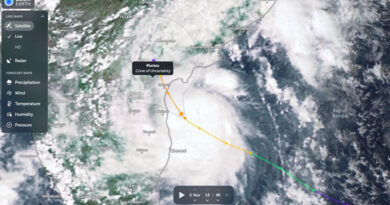
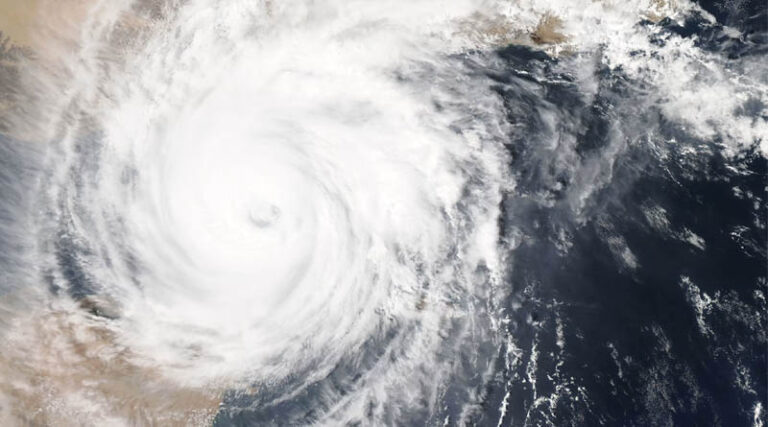
10 November 2026, Ongole, IN: Cyclone Murasu made landfall near Ongole in Andhra Pradesh’s Prakasam district in the early hours of November 3, killing at least two people and damaging standing crops across more than 52,000 hectares, according to Andhra Pradesh State Disaster Management Authority (APSDMA) managing director Prakhar Jain.
The system had formed as a depression over the Bay of Bengal in the final days of October, strengthening into a cyclonic storm by November 1 and a severe cyclonic storm the following day, before crossing the coast between 3:30 am and 5:30 am with sustained winds of 100 to 110 kilometres per hour, gusting to 120 kph. Jain told reporters that preliminary damage assessments put losses to crops and property at a minimum of Rs 344 crore, a figure he described as provisional pending a fuller survey once floodwaters receded from low-lying fields.
Fifteen districts and 132 mandals across coastal Andhra Pradesh felt the storm’s effects, officials said, with the heaviest crop losses recorded in Krishna, Bapatla and Nandyala districts. An official press statement named paddy, cotton and corn as the crops that suffered the most damage, striking at a point in the season when standing paddy in several districts was approaching harvest.
Houses and power supply also damaged
Jain said 312 houses were damaged in the storm, concentrated in Bapatla and Guntur districts, where the two confirmed deaths also occurred. Power infrastructure took a significant hit in Prakasam and Bapatla districts, where utility crews worked through the following days to restore supply knocked out by fallen poles and lines. Telecommunications networks in Bapatla, Prakasam and West Godavari districts also went down in parts, with restoration work continuing after landfall.
Authorities moved roughly 12,230 people into relief shelters in the districts expected to bear the brunt of the storm, and imposed a fishing ban along the coast that stayed in force until midday on November 4 as the system continued to weaken. By then, Murasu had degraded into a depression over eastern Telangana and adjoining coastal Andhra Pradesh, tracking north-northwest, with forecasters expecting it to dissipate further into a well-marked low-pressure area.
State disaster response teams, including units of the National Disaster Response Force and State Disaster Response Force, were deployed across the affected coastal belt to assist with relief work and to begin surveying agricultural land for compensation purposes. Jain said a comprehensive crop-damage assessment would take 48 to 72 hours to complete once floodwaters receded enough for officials to reach affected fields, a process still underway in low-lying parts of Bapatla and Krishna districts in the days after the cyclone moved inland.
Relief funds released as assessment continues
The state government released Rs 37 crore to the affected districts for immediate relief and assistance, covering food, shelter and emergency repairs, separate from the longer-term compensation farmers are expected to seek once the crop-damage survey is complete. Public works officials separately estimated the cost of repairing damaged rural roads at more than Rs 92 crore.
Cyclone Murasu is the latest storm to strike India’s eastern coast during the northeast monsoon season, which typically runs from October through December and accounts for the bulk of the Bay of Bengal’s cyclone activity each year, as warm sea surface temperatures help fuel storm formation in the basin. Coastal Andhra Pradesh, a major paddy-growing region that contributes significantly to India’s overall rice output, had been approaching the harvest window for its kharif paddy crop when the storm made landfall, raising the stakes for farmers whose fields remained waterlogged days after the cyclone passed through.
Officials in Prakasam district, where the Prakasam Barrage regulates flows on the Krishna river, reported that irrigation authorities had opened the majority of the barrage’s gates in the days following landfall to manage the surge of floodwater moving downstream, a measure aimed at protecting both the barrage structure and surrounding farmland from further inundation as the system continued to clear the region.
Also Read: Syngenta Expands Zivalgo, Incipio Insecticide Use In Florida
Global Agriculture is an independent international media platform covering agri-business, policy, technology, and sustainability. For editorial collaborations, thought leadership, and strategic communications, write to pr@global-agriculture.com