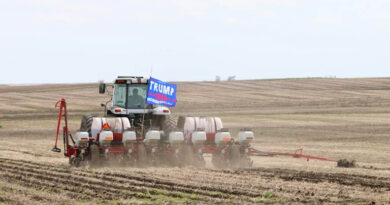
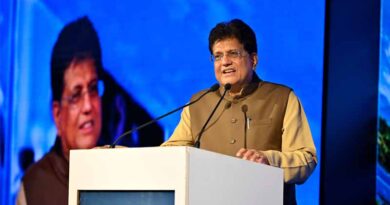
10 November 2026, New Delhi: The All India Kisan Sabha has warned that farmers will resist a proposed India-US trade agreement if the government grants Washington greater access to India’s dairy market, as negotiators work to finalize a deal that Commerce Minister Piyush Goyal has said is in the final stage of legal drafting. US Secretary of State Marco Rubio has described the agreement as very close to completion, with dairy market access cited as the last major outstanding issue.
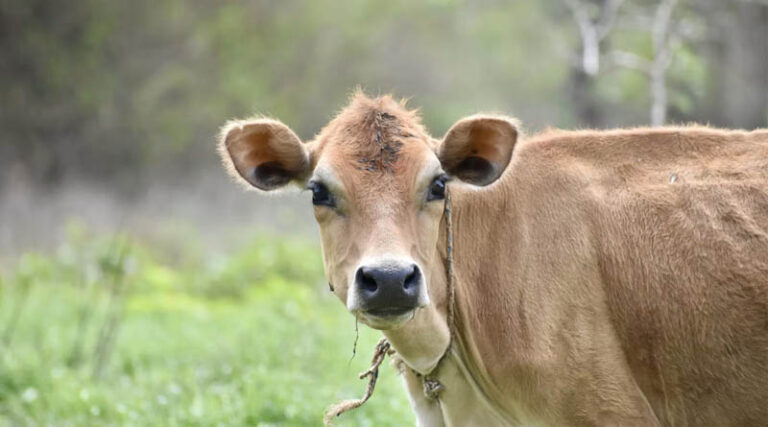
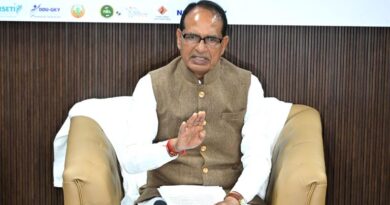
AIKS general secretary Vijoo Krishnan said expanded US access could undercut domestic milk procurement prices by allowing subsidized American dairy products into the Indian market, and warned that greater market opening could also accelerate corporate consolidation in Indian agriculture. The union has told its state units to prepare for what it called a prolonged struggle and has urged farmers to join wider mobilization efforts over the issue.
Soybean and feed crops also at stake
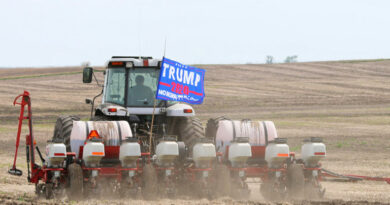
Beyond dairy, the union named soybean, corn and sorghum used for cattle feed, cotton, almonds, walnuts and apples as sectors it believes are exposed under the proposed agreement. It pointed specifically to a September decision by the government to cut the basic customs duty on crude soybean and palm oil from 10 percent to 5 percent, along with reductions on refined edible oils, timing that the union noted coincided with the start of the kharif soybean harvest. Krishnan said Indian soybean farmers cannot compete with heavily subsidized industrial growers in the United States.
The dispute over the trade deal’s agricultural provisions follows months of mobilization by farm unions, including a Punjab-Haryana border demonstration earlier in the year organized by a separate farmers’ coalition that had demanded the government keep agriculture out of any agreement and publish negotiating documents before signing. Government officials have said agriculture remains a red line in the talks and that any deal will be signed only once it delivers India a competitive advantage over rival exporters such as Vietnam, Bangladesh and Indonesia.
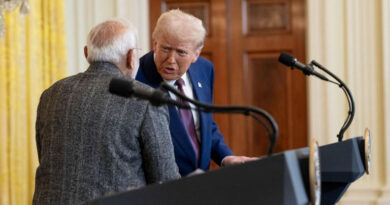
The deal’s timeline has drawn fresh attention since the November 3 US midterm elections, in which Democrats won control of Congress. Ajay Srivastava, founder of the Global Trade Research Initiative, said the result could push the Trump administration to expedite the negotiation, estimating it could conclude within roughly two months. He also cautioned that the framework under discussion could test India’s existing commitments under World Trade Organization rules, and that broader US protectionism was likely to remain largely unchanged regardless of the deal’s outcome.
Global Agriculture is an independent international media platform covering agri-business, policy, technology, and sustainability. For editorial collaborations, thought leadership, and strategic communications, write to pr@global-agriculture.com