Beyond Irrigation: Scaling Grid-Connected Solar Power for Sustainable Groundwater Use
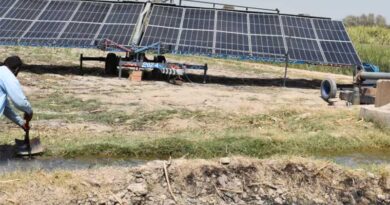
18 August 2026, New Delhi: Solar irrigation pumps are widely championed across the Global South for providing decentralized energy and alternative water access while lowering greenhouse gas emissions. However, standalone solar pumps can create unintended consequences; without energy costs, farmers face perverse incentives to over-pump groundwater. Connecting solar pumps to the electrical grid transforms this dynamic by allowing farm households to treat surplus energy as a remunerative crop, selling unused power back to electric utilities to generate income while encouraging judicious water use.
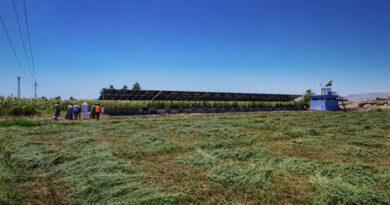
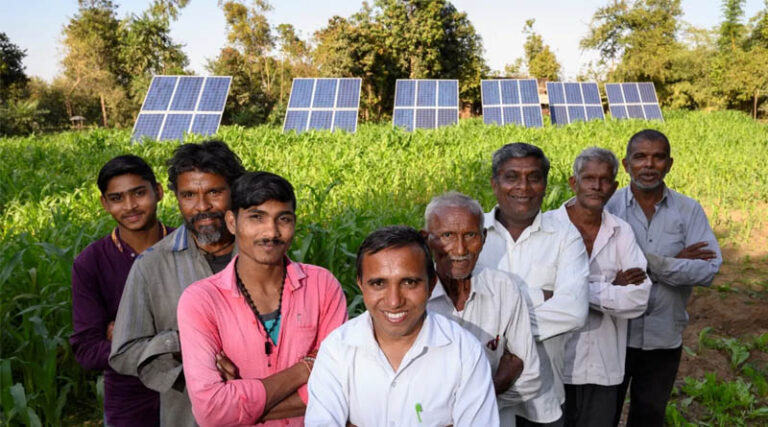
To test this approach, the International Water Management Institute (IWMI)-Tata Water Policy Program piloted the technical and institutional viability of grid-connected solar pumps in central Gujarat, India. In Dhundi village, IWMI helped establish the world’s first solar irrigators cooperative, entering into a 25-year power purchase agreement with the local distribution company. By bundling financial incentives with clean energy and groundwater conservation bonuses, the pilot demonstrated that smallholders could reliably sell surplus electricity, reduce transaction costs, and maintain their irrigation systems effectively.
The success of these field pilots directly influenced the Government of Gujarat to launch the Suryashakti Kisan Yojana (SKY) scheme, which solarized 91 agricultural feeders and benefited over 4,000 farmers. SKY offered guaranteed feed-in tariffs and low upfront costs to encourage widespread adoption, eventually inspiring Component C1 of India’s national PM-KUSUM scheme. Participating farmers earned an average annual additional income of over 257 USD from electricity sales, representing roughly 43 percent of their crop income, while consistently consuming less power for pumping than non-participating peers.
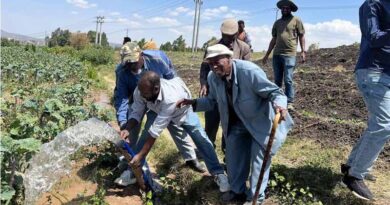
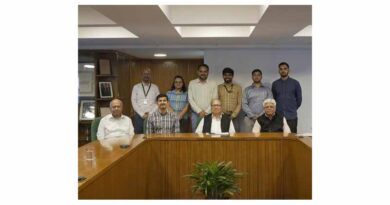
Despite these gains, scaling the model revealed persistent operational challenges, including information asymmetry between farm households and utilities, limited awareness of digital management tools, and gaps in day-to-day maintenance capacity. To ensure long-term sustainability, IWMI collaborated with local distribution companies and energy institutes under the Swiss-funded SoLAR-SA project to deliver targeted training and capacity-building modules. By pairing infrastructure investment with transparent monitoring and community education, grid-connected solar irrigation continues to provide a scalable framework for climate-resilient agriculture, equitable energy access, and sustainable groundwater governance across water-stressed regions.
Also Read: Paraquat and the Future of Pesticide Regulation in India
Global Agriculture is an independent international media platform covering agri-business, policy, technology, and sustainability. For editorial collaborations, thought leadership, and strategic communications, write to pr@global-agriculture.com