New Model Shows Climate Risk to Wheat Yields Is Worse Than Thought
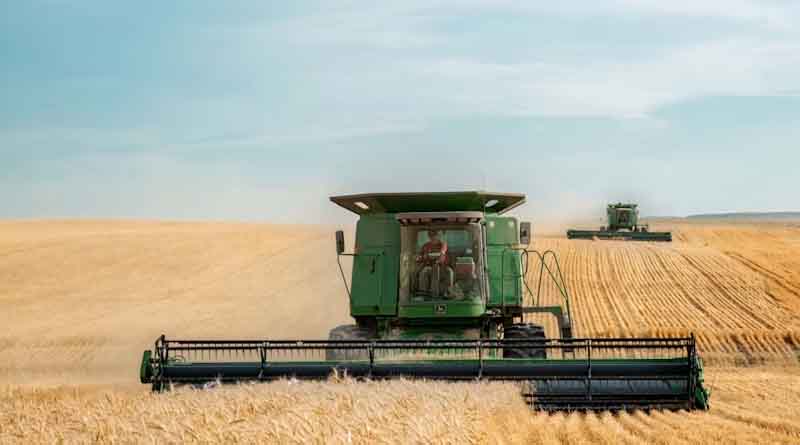
15 October 2026, Beijing: A new global crop modelling study has found that widely used climate models significantly underestimate how much combined
Read More

Get the latest Beijing Normal University news on agricultural research, climate change, crop modelling and artificial intelligence. Based in Beijing, China, the university conducts research on climate impacts, agricultural productivity, environmental systems and food security. Its researchers use satellite observations, remote sensing, climate datasets and machine learning to investigate crop performance and assess risks to agricultural production.
A key area of research is the application of AI and data-driven modelling to understand how extreme weather affects major crops. In September 2026, a team led by Professor Chen Ziyue developed a global crop-yield estimation framework integrating national statistics, remote sensing, climate data, crop calendars and machine learning to estimate yields of wheat, rice, soybean and maize. In October 2026, another research team published work in Nature Food on improving crop models to assess the effects of droughts and heatwaves on global wheat productivity at 10-kilometre resolution.
Explore developments in AI-powered crop-yield prediction, climate-resilient agriculture, remote sensing, agricultural risk assessment and environmental modelling. Coverage includes scientific publications, research projects and technologies designed to improve crop forecasting, evaluate climate risks and support evidence-based decisions for global food security.
15 October 2026, Beijing: A new global crop modelling study has found that widely used climate models significantly underestimate how much combined
Read More