Fertilizer Costs Stay Elevated as Global Supply Disruptions Persist
19 October 2026, Washington, D.C.: Fertilizer prices in the United States have risen again, with seven of the eight major nutrients now
Read More

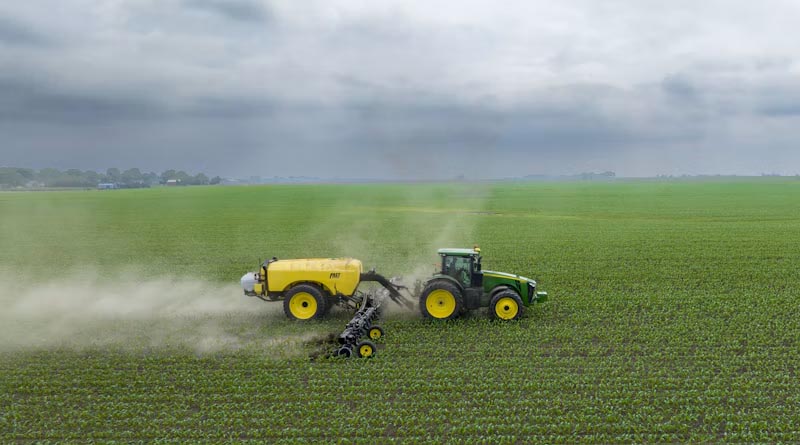
Anhydrous ammonia is a nitrogen-based chemical widely used in agriculture as a fertiliser. It consists of nitrogen and hydrogen (NH₃) and contains approximately 82% nitrogen by weight, making it one of the most concentrated nitrogen fertilisers used in crop production. Stored and transported as a liquid under pressure, it is injected into soil, where it reacts with moisture and provides nitrogen for plant growth.
In agriculture, anhydrous ammonia supports the development of leaves, stems and other plant tissues, contributing to crop growth and yield when applied at appropriate rates. Its use requires specialised equipment and trained handling because it is highly hazardous, corrosive to body tissues and can cause severe chemical burns and respiratory injuries. Application practices must account for soil conditions, nitrogen requirements, equipment safety and the risk of nitrogen losses to the environment.
Follow the latest anhydrous ammonia news, including fertiliser production, prices, supply chains, application technologies, safety regulations and developments in nitrogen management. Coverage examines its role in global fertiliser markets, agricultural input costs, crop nutrition strategies and efforts to improve nitrogen-use efficiency while reducing environmental impacts.
19 October 2026, Washington, D.C.: Fertilizer prices in the United States have risen again, with seven of the eight major nutrients now
Read More02 April 2026, New Delhi: In a calibrated policy move aimed at easing cost pressures across agriculture-linked industries, the Government of
Read More