Rockefeller Foundation Backs Investment in Regenerative School Meals
24 November 2026, Paris: The Rockefeller Foundation has welcomed a global call for increased investment in resilient school meal programmes, highlighting their potential to improve child nutrition while strengthening local agriculture, supporting smallholder farmers and promoting regenerative food systems.
The call was made at the Paris Peace Forum Child Summit, where France, alongside Brazil, Finland and Kenya, urged governments, multilateral development banks, philanthropies and private investors to mobilise financing for country-led school meal programmes.
The School Meals Coalition, which brings together 113 governments, six regional bodies and more than 160 partners, aims to ensure that every child has access to a healthy and nutritious meal at school by 2030. Its programmes currently reach at least 466 million children worldwide.
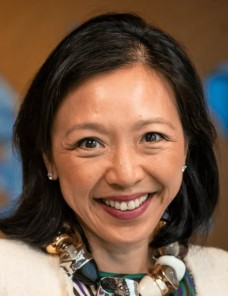
Elizabeth Yee, Executive Vice President of Programs at The Rockefeller Foundation, said school meals should be viewed not only as child nutrition programmes but also as investments in farmers and food systems.
She highlighted how school meal programmes can provide smallholder farmers with reliable markets, support employment and strengthen food security, particularly as climate change and conflict increase the frequency of food supply disruptions.
“When well designed, they are economic infrastructure: they give smallholder farmers a reliable market and help countries move toward more sustainable agriculture,” Yee said.
Focus on Regenerative Agriculture
The Rockefeller Foundation is advancing this approach through its Big Bet on Regenerative School Meals, an initiative aimed at expanding school feeding programmes that source nutritious food from farms and food systems that restore soil health and support local producers.
The initiative also seeks to demonstrate the investment potential of regenerative school meals, reduce perceived risks and attract additional financing from development institutions and private investors.
The School Meals Coalition has identified investment in local agricultural supply chains as a priority for its 2027–2028 agenda. The proposed investments include agricultural production, aggregation, storage, processing and logistics, alongside agrotechnology and rural finance, particularly for smallholder farmers.
By linking school meal programmes with local agricultural production, countries can create predictable demand for farm produce, strengthen market access for smallholders and support rural enterprises.
Financing Partnerships for Expansion
More than 70 countries have made commitments to expand and improve their school meal programmes. However, growing fiscal pressures and shrinking development assistance have increased the need for sustainable financing.
The Coalition’s Sustainable Financing Initiative will coordinate efforts among governments, international financial institutions, philanthropies and private investors to align funding with national priorities.
The financing agenda will build on the Global Alliance Against Hunger and Poverty’s Collaborative Financing Framework and the Philanthropy Hub launched during the 2026 IMF-World Bank Annual Meetings.
The Coalition has called for coordinated action ahead of the 2027 IMF-World Bank Spring Meetings, with progress to be reviewed before its Third Global Summit in Helsinki in October 2027.
The initiative highlights the growing role of school meal programmes in connecting nutrition with agricultural development, creating stable markets for farmers and strengthening resilient local food systems.
Also Read: ADAMA Shuts Brazil Plant as Pesticide Import Tariff Fight Grows
Global Agriculture is an independent international media platform covering agri-business, policy, technology, and sustainability. For editorial collaborations, thought leadership, and strategic communications, write to pr@global-agriculture.com