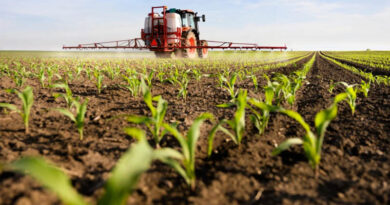
10 August 2026, AU: Drones and variable-rate spraying are the latest tools in the Plant family’s weed control arsenal as they focus on conserving moisture to maintain a profitable cropping operation in the Victorian Mallee.
A strong summer weed program, combined with new spray technology, delivered impressive yields of more than 3 t/ha of wheat and 2.8 t/ha of barley from just 107 mm of growing season rain in 2025, with total annual rainfall across the farm ranging from 160 to 210 mm.
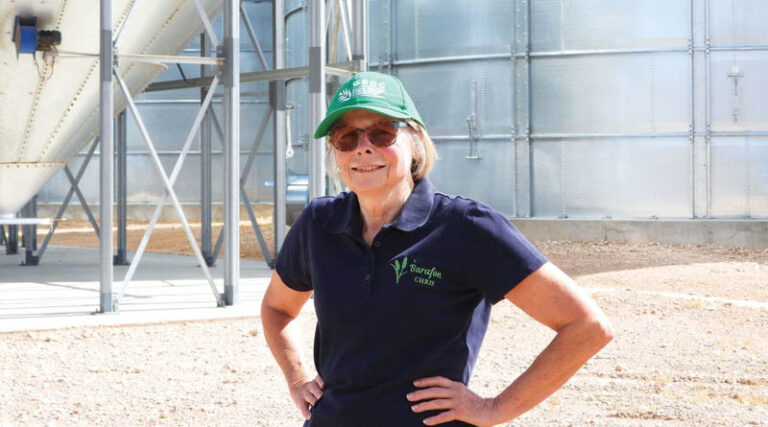
Keith, Christine and Brad Plant crop approximately 3,350 ha at ‘Barafon’, south-west of Manangatang, running a program built around barley, wheat, lentils, chickpeas and brown manure field peas.
In 2022, they hosted a WeedSmart field day and the message about summer weed control and moisture conservation helped to validate their approach.
The Plants’ weed management approach is based on the principles of spraying timeliness and crop competition. By early April 2026, after 150 mm of rain for the year, including 90 to 110 mm in March, Brad was already applying the second summer spray to protect soil moisture ahead of sowing.
They have also put their new drone into action, a purchase made last year.
They use the drone to scout paddocks after rain in summer and map green spots. This data is then fed into their self-propelled sprayer, which has section control but no camera. The maps help target problem areas, cut overlaps and reduce chemical use.
The drone has quickly paid for itself. Christine calculates that linking the greenery mapping to the tractor saved $2,500 on chemicals in the first paddock alone.
This approach, combined with diverse rotations and narrower row spacings, has helped keep major grass weeds – such as ryegrass and brome grass – and broadleaf weeds in check.
We found some herbicide-resistant ryegrass 15 years ago, which took a while to get on top of, so we’re very conscious of the possibility of resistance to herbicides such as glyphosate and clethodim.
Years of consistent weed control have kept both annual ryegrass and brome grass low on their country, even though these weeds can be a challenge in many other areas.
“Brad runs a very, very tight weed and chemical plan,” she explains.
Chemical stewardship is backed by rotation of crop types and machinery choices aimed at limiting resistance to herbicides and fungicides. Rotations typically cycle legumes, wheat and barley over blocks of chickpea, lentil and field pea stubbles.
They see maintaining stubble as an effective practice in preventing erosion, particularly across sandy rises. “We like to keep the stubble there because it also shades the ground and hopefully conserves moisture,” Christine says.
They use a disc seeder to cut through the tall cereal straw left by the header, which is fitted with a stripper front, and plant on 190 mm row spacings to boost crop competition against weeds.
Global Agriculture is an independent international media platform covering agri-business, policy, technology, and sustainability. For editorial collaborations, thought leadership, and strategic communications, write to pr@global-agriculture.com