
Pollinator Safety

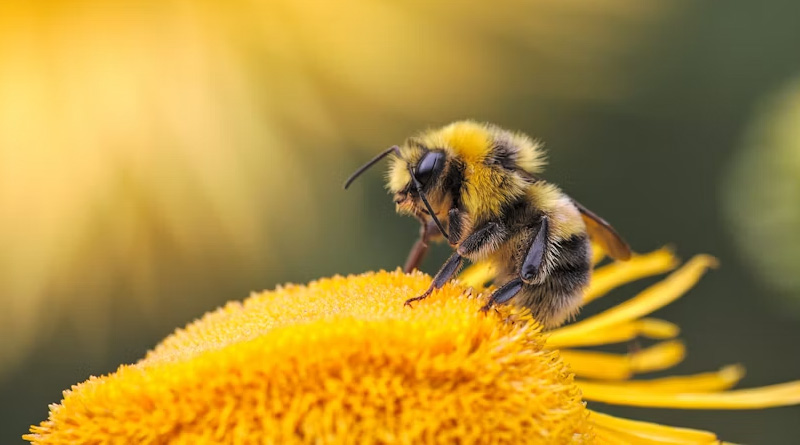
Get the latest Pollinator Safety news, research and developments covering bees, butterflies and other pollinators, pesticide exposure, crop protection practices, pollinator-friendly farming and regulatory measures. Coverage includes research into pesticide toxicity, exposure pathways, application practices and strategies to protect pollinator health while maintaining effective pest management.

Key areas include pesticide application timing, spray drift, residues on flowers, contaminated nectar and pollen, treated-seed dust and the effects of systemic pesticides. Best management practices include avoiding applications when pollinators are actively foraging, reducing drift through appropriate equipment and weather conditions, maintaining buffers and following product-label requirements.

Find updates on pollinator risk assessments, pesticide regulations, bee-protection measures, integrated pest management, biological crop protection and research into safer application technologies. Recent studies are examining how application method, dose and timing can affect pesticide concentrations in nectar and pollen, while regulators continue developing risk-assessment frameworks and mitigation measures for bees and other pollinating species.