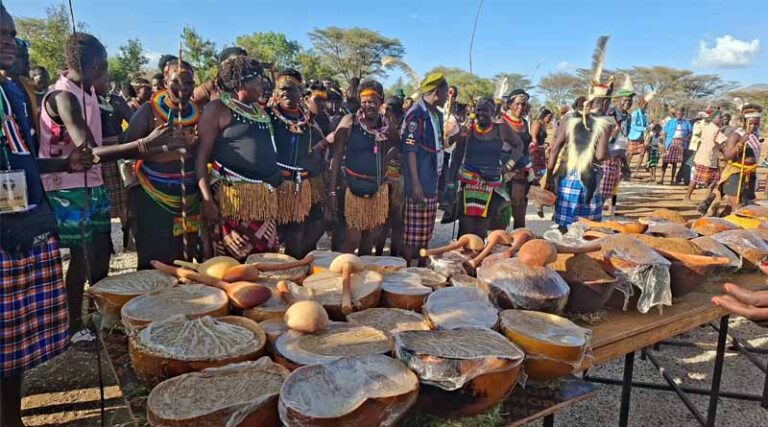
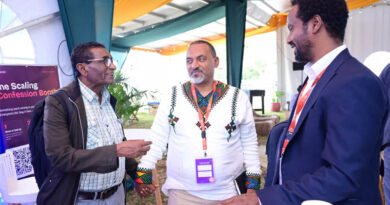
26 September 2026, Uganda: When I arrived in Moroto for the 11th Karamoja Cultural Event (KCE) 2026, I expected a cultural festival, but what I encountered was something much deeper: a week-long reflection of Karamoja’s history, identity, resilience and aspirations for a better future. From sixth to the twelfth of September 2026, Moroto became a meeting place for communities from across Uganda and neighbouring Kenya, South Sudan and Ethiopia. Under the theme ‘Unity in culture, strength in peace, prosperity through tourism and natural resources,’ the Karamoja Cultural Event brought together traditional leaders, government representatives, development partners, women, youth and children. It was officially opened by the President of Uganda H.E Yoweri Kaguta Museveni. For seven days, culture was not simply displayed. It was experienced, discussed and passed from one generation to another. Through songs, dances, storytelling, traditional foods, cultural tours and community conversations, the event offered a different perspective on Karamoja, one that moved beyond familiar narratives of drought, insecurity and marginalisation to reveal a region rich in cultural identity, biodiversity, history and development potential.
More than a celebration
Established in 2014, the Karamoja Cultural Event was created to celebrate, preserve and promote the positive cultural values of the Karimojong and wider Ateker people across four Eastern African countries, while contributing to peace and sustainable development. For community members, however, its importance goes beyond celebration.
“This cultural event helps preserve the values that have held Karamoja communities together, including looking after each other, being united, and preserving our cultural identity, foods and traditions,” says Joseph Lochap, a member of the Rangeland Management Committee in Nakonyen Rangeland Management Unit in Moroto District.
That sense of belonging was visible throughout the week. Cultural tours took participants to sites around Moroto, including its valleys, savannas and the 3,000m Mount Moroto, while traditional foods, attire, music and storytelling provided opportunities to explore the heritage that connects communities across the region. But perhaps the most powerful expression of culture was found not on the performance stage, but around the dialogue tables.
When culture creates space for dialogue
Through the FAO programme on Pastoralism and Livestock Adaptation to Climate Change in Eastern Africa (PLACE), staff from FAO, ILRI and RECONCILE participated in dialogue sessions involving women, youth, elders, children, traditional leaders and representatives of communities across borders. The conversations addressed some of the issues that shape everyday life in Karamoja: peacebuilding, pastoral mobility, education, land governance, child protection, climate resilience and natural resource management. The approach resonated with longstanding Karamojong traditions of dialogue and consensus-building. Rather than separating cultural issues from development challenges, the discussions created space for communities to reflect on how the two are connected.
“The cultural event has dedicated dialogue sessions designed to capture unique priorities, including separate sessions for urban and rural youth,” explains Sylvesto Lokorio, a member of the Nakapiripirit Central Organizing Committee. “We also have the Children’s Parliament, which gives children opportunities to share their challenges, aspirations and ideas while learning about their culture.”
Peace, rangelands and a shared future
Across the week, one message emerged repeatedly: development cannot be sustained without peace, and peace itself is closely connected to how communities share and manage resources. Young people called for stronger peacebuilding, environmental restoration and regional cooperation. Women highlighted girls’ education, economic empowerment and peaceful coexistence. Elders reaffirmed their roles in dispute resolution and cultural preservation, while children called for better access to education, healthcare and protection from harmful practices.
For Joseph Lochap, the changes in peace and resource sharing among Ateker communities are particularly significant.
“One of the most notable changes over the years has been improved peace and resource sharing among Ateker communities,” he says.
These aspirations closely align with the principles of participatory rangeland management (PRM) supported through PLACE, where ILRI serves as a technical partner. PRM recognises that sustainable rangeland management is not only about restoring ecosystems. It also depends on inclusive governance, peaceful resource sharing, equitable access to resources and mechanisms that enable communities to collectively manage the landscapes on which their livelihoods depend.
As a technical partner in PLACE, ILRI supports the design and implementation of PRM approaches that integrate peacebuilding and social equity, healthy ecosystems, inclusive governance and equitable access to resources. The issues raised during cultural event – pastoral mobility, communal land governance, environmental restoration, peaceful resource sharing and cross-border cooperation—therefore have direct relevance to efforts to strengthen resilient pastoral systems. The final days of Karamoja Cultural Event 2026 brought these messages to life through music, dance, pageantry, traditional attire and storytelling. Together, communities from Uganda, Kenya, South Sudan and Ethiopia celebrated both their shared heritage and the diversity within the wider Ateker family.
“The songs and dances performed throughout the week carry messages of peace and invite people to work together for a better future,” explains Joseph.
As the celebrations ended, the message from Moroto was louder than the festival itself – Karamoja’s strength lies not only in its landscapes, wildlife, natural resources and cultural heritage, but in the people who call the region home – and in their capacity to build relationships, resolve differences and manage shared resources together. The Karamoja Cultural Event 2026 offered a powerful reminder that culture is not simply a reflection of the past. It can also be a foundation for peace, inclusive governance and a more prosperous future.
* The Ateker are a group of closely related ethnic communities in Eastern Africa, who share a common ancestral origin, language roots, and pastoralist culture across Uganda, Kenya, South Sudan, and Ethiopia. The Main Ateker communities are Turkana, Karamoja, Teso, Toposa, Nyangatom, Jiye, Lango, Dodoth, Kakwa, among others.
Global Agriculture is an independent international media platform covering agri-business, policy, technology, and sustainability. For editorial collaborations, thought leadership, and strategic communications, write to pr@global-agriculture.com