11 August 2026, Jerusalem: Aging polyethylene microplastics in agricultural soils may have less influence on the behavior of pesticides, pharmaceuticals and other organic contaminants than previously assumed, according to a new study by researchers at The Hebrew University of Jerusalem and the Agricultural Research Organization–Volcani Institute.
The study, published in Soil & Environmental Health, examined how linear low-density polyethylene (LLDPE) microplastics change after prolonged exposure to agricultural soils and whether those changes affect their ability to interact with organic contaminants.
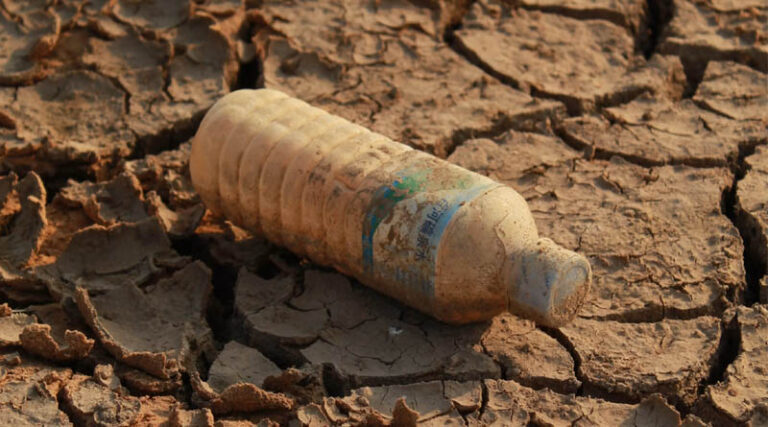
Microplastics are increasingly present in agricultural soils, partly due to the widespread use of plastic mulch films and greenhouse covers. Scientists have raised concerns that these particles could act as small reservoirs for pesticides, pharmaceuticals and other chemicals, potentially changing how the contaminants move through soil and persist in the environment.
To investigate this, researchers buried polyethylene microplastic fragments in three agricultural soils in Israel for 20 months. They then examined changes to the plastic surfaces and tested their interactions with 48 organic contaminants commonly associated with reclaimed wastewater used for agricultural irrigation, including pesticides, pharmaceuticals and other wastewater-derived compounds.
The results showed that aging had little meaningful effect on the interaction between the microplastics and most of the tested chemicals. For about 90% of the contaminants, aging did not significantly change sorption or desorption behavior.
The contaminants generally showed weak interactions with the polyethylene particles and could be released relatively easily, suggesting that the chemical interactions were largely reversible rather than resulting in permanent retention by the microplastics.
Soil Plays a Larger Role
The researchers found that the polyethylene particles did undergo significant surface changes during their time in the soil. Natural organic matter accumulated on the plastic surfaces, creating an organic coating and altering their surface chemistry.
However, these changes did not substantially increase the ability of the microplastics to retain the tested contaminants.
The study suggests that soil properties remain more important than polyethylene microplastics in determining the environmental behavior of these chemicals. Differences in soil characteristics, including organic matter and clay content, had limited influence on the aging of the microplastics or their interactions with the contaminants examined.
Most of the surface changes occurred during the first year, after which the particles became comparatively stable.
“Although the particles clearly change after spending months in soil, these surface modifications translate into only minimal changes in their interactions with most contaminants,” said Evyatar Ben Mordechay, one of the study’s researchers. “In agricultural soils, natural soil components remain far more important than the microplastics themselves in determining where these chemicals end up.”
Implications for Agricultural Risk Assessment
The findings do not eliminate concerns surrounding agricultural microplastics. The researchers noted that the persistence and continued accumulation of plastic particles in farmland remain environmental issues, particularly as agricultural plastics continue to enter soils.
Instead, the study provides evidence that the risks associated with microplastics should be assessed in the context of their actual interactions with soil and contaminants, rather than assuming that aging automatically makes the particles more effective at retaining chemicals.
The researchers described the study as one of the broader field-relevant assessments of interactions between soil-aged agricultural microplastics and a range of wastewater-derived organic contaminants.
“Microplastics are still an environmental problem, but our results help clarify where the greatest risks actually lie,” said Benny Chefetz, professor at The Hebrew University of Jerusalem. “When it comes to the behavior of these contaminants in agricultural soils, the soil itself, not the plastic, is doing most of the work.”
The researchers said the findings could help improve environmental risk assessments and guide future research into microplastics, agricultural contaminants and the use of reclaimed wastewater for irrigation.
Research: Yuval Shahar et al., Aging of polyethylene microplastics in agricultural soils has minimal effect on sorption and desorption of wastewater-derived organic contaminants, Soil & Environmental Health, 2026.
Global Agriculture is an independent international media platform covering agri-business, policy, technology, and sustainability. For editorial collaborations, thought leadership, and strategic communications, write to pr@global-agriculture.com