Root Shape and Soil Microbes Work Together to Help Plants Survive Nutrient Stress, Study Finds
14 September 2026, Nottingham, UK: Researchers at the University of Nottingham’s School of Biosciences have shown that a plant’s ability to cope with nutrient poor soil depends on a close partnership between its root structure and the microbes that colonize it, a finding published in the journal Nature Communications on September 11, 2026. The work, led by Dr Gabriel Castrillo, helps explain why some plants adapt far better than others when nutrients are scarce, and points toward new ways of designing biofertilizers and biostimulants that work with a crop’s natural root biology rather than against it.
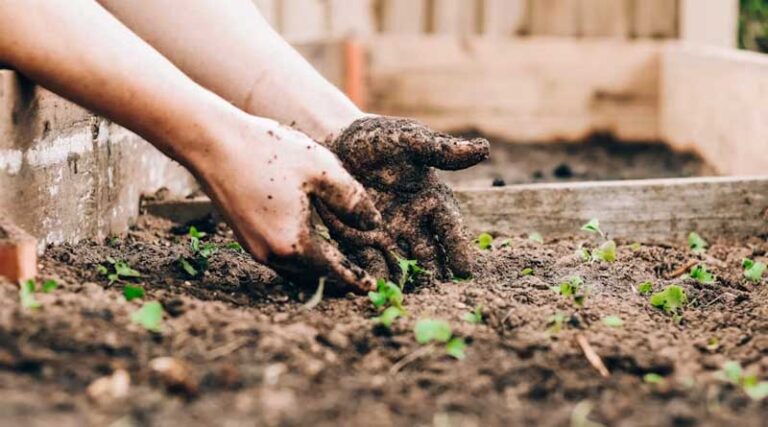
Plant roots vary enormously in their internal structure, what researchers call anatomical complexity. A mangrove has a thick, woody root built for a harsh, waterlogged environment, while a spring onion or duckweed has fine, hair-like roots suited to a very different ecological niche. The Nottingham team set out to understand whether this underlying anatomical complexity affects how much a plant’s roots can physically change shape, or remodel, once soil microbes move in and begin colonizing the root system.
How microbes trigger both metabolic and structural change
The researchers found that microbial colonization does not act on roots in a single, simple way. Instead, it triggers two things at once: metabolic reprogramming, meaning the plant’s internal chemistry shifts as it processes different compounds in response to its microbial partners, and physical anatomical changes in the root itself. Critically, the study found that how much a root can remodel itself is constrained by its starting anatomical complexity. In other words, a plant’s inherited root architecture sets the boundaries for how flexible that plant can be when microbes offer to help it access scarce nutrients. As part of this metabolic shift, the team identified a specific compound, a metabolite called N6,N6,N6-trimethyl-L-lysine, that appears to play a role in the process, offering a possible biochemical marker or even a tool for future synthetic biology approaches aimed at encouraging beneficial microbial partnerships.
Dr Castrillo summarized the significance of the pairing between structure and chemistry: “Our findings highlight the importance of both root anatomical and metabolic complexity in shaping plant-microbiome interactions, particularly under environmental stress.” The implication is that neither root shape nor internal chemistry alone determines how well a plant copes with nutrient scarcity; it is the interaction between the two that determines whether a plant can successfully recruit and benefit from a microbiome suited to difficult conditions.
From basic biology to practical breeding and biostimulant targets
This kind of fundamental plant biology research often takes years to filter through to commercial application, but the direction of travel is clear. If root anatomical complexity limits how well a plant can respond to microbial partners, then breeders selecting for climate resilient or input efficient varieties may want to treat root architecture itself as a selectable trait, not just a byproduct of breeding for yield or disease resistance. Similarly, companies developing microbial inoculants, biostimulants or biofertilizers, products designed to improve nutrient uptake using living organisms or their derivatives rather than synthetic chemistry, could use this kind of anatomical and metabolic profiling to match specific microbial products to crop varieties or soil conditions where they are most likely to succeed, rather than relying on a one size fits all approach that often underperforms in real field conditions compared with controlled trials.
Also Read: UPL Expands Nature-Based Agriculture Portfolio with Investment in Japan’s PhytoChrome
Global Agriculture is an independent international media platform covering agri-business, policy, technology, and sustainability. For editorial collaborations, thought leadership, and strategic communications, write to pr@global-agriculture.com