Rebuilding Agricultural Capacity In Syria Through Science And Partnership
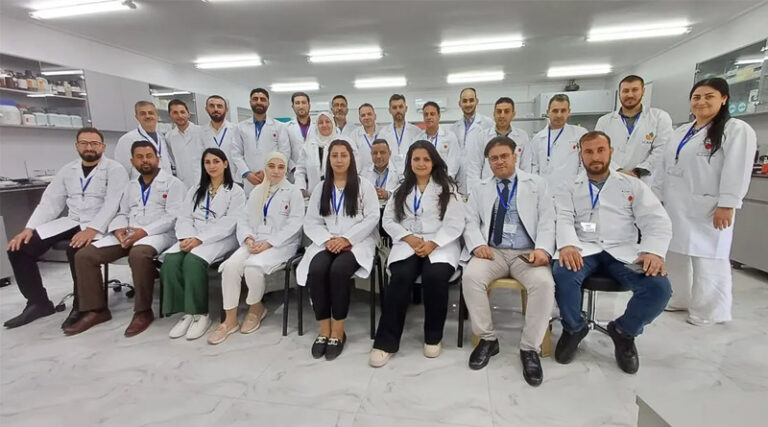
13 June 2026, Japan: With support from the Government of Japan, ICARDA trained 22 Syrian agricultural specialists in seed health testing, quarantine, and strengthening national capacity to protect crops, improve seed quality, and enhance food security.
Before a seed reaches a farmer’s field, it passes through a series of safeguards that determine whether it will produce a healthy crop or carry diseases that reduce yields, threaten food security, and restrict agricultural trade.
In Syria, strengthening those safeguards is essential for rebuilding the national agricultural systems. This year, ICARDA, with support from the Government of Japan, and in close collaboration with the Ministry of Agriculture and national partners, took another step in that journey through a specialized training program on modern techniques for detecting seed-borne pests and diseases, seed certification, plant quarantine, and germplasm exchange.
While the activity focused on technical skills, its significance extends far beyond the laboratory.
Twenty-two specialists from Syria’s leading agricultural institutions, representing all Syrian governorates, including the General Commission for Scientific Agricultural Research (GCSAR), the General Organization for Seed Multiplication (GOSM), and the General Authority for Borders and Customs (GABC), received hands-on training in seed health testing, quarantine procedures, and internationally recognized phytosanitary protocols.
Participant assessments showed average knowledge scores increasing from 78 percent at the start of the training to 96 percent by its conclusion, representing a 23 percent gain in technical knowledge.
“What stood out most was the importance of coordination across research, seed production, and quarantine services. Strong seed systems depend on strong institutions working together,” said Munzer Darwish, Director of Plant Quarantine, GABC
Every improvement in seed health testing strengthens the country’s ability to detect harmful pests before they enter and spread, thereby protecting strategic crops, facilitating the safe exchange of germplasm, and supporting farmers’ access to healthier, higher-quality seed. In a country where agriculture remains a critical source of livelihoods and food production, these capacities are essential building blocks for long-term resilience.
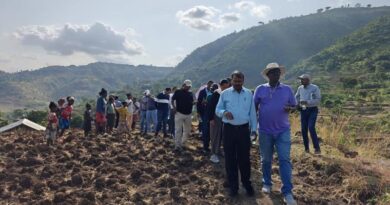
As part of the training, participants visited ICARDA’s newly established Seed Health Laboratory in Aleppo and the Tel Hadya research station. The visits provided hands-on exposure to seed health testing, certified seed production, seed multiplication, variety evaluation, and quality control procedures.
The new Seed Health Laboratory was funded through the CGIAR Genebanks Germplasm Health Units component. The laboratory supports the safe import of pest- and disease-free seed, contributing to the recovery of agricultural production and genetic diversity in Syria, while building on ICARDA’s longstanding commitment to agricultural research and development in the country.
Rebuilding Syria’s agriculture begins with rebuilding the systems that support it. Through continued collaboration between national institutions, ICARDA, and international partners such as the Government of Japan, investments in science and technical capacity are helping ensure that healthier seeds and the opportunities they create reach farmers across the country.
Also Read: UPL Recognized as Top Innovator in AgriBusiness at Clarivate South Asia Innovation Awards 2026
Global Agriculture is an independent international media platform covering agri-business, policy, technology, and sustainability. For editorial collaborations, thought leadership, and strategic communications, write to pr@global-agriculture.com