Field Day Highlights Sustainable Cactus Cochineal Management In Morocco
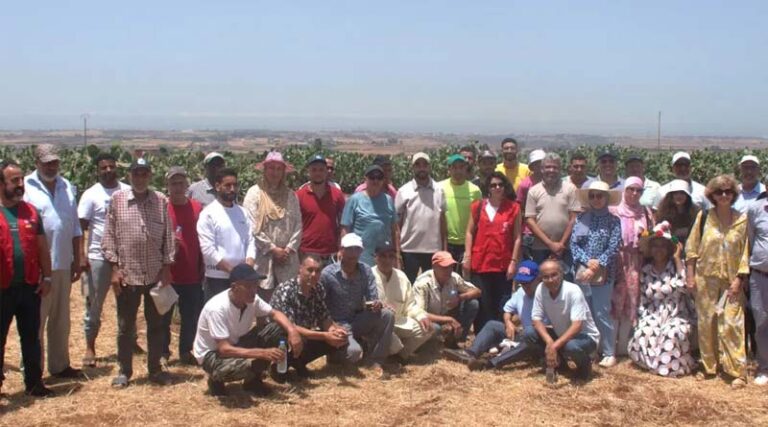
29 July 2026, Morocco: More than 100 participants gathered in Morocco to demonstrate sustainable solutions for managing cactus cochineal during an ICARDA-AECID field day supported by the Spanish Agency for International Development Cooperation (AECID).
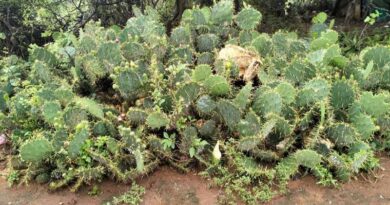
Cactus has long been a lifeline for rural communities across Morocco, providing fruit, livestock feed, income, and valuable environmental benefits. But since the invasive cactus cochineal (Dactylopius opuntiae) was first detected in 2014, the invasive pest has devastated plantations, threatening livelihoods and biodiversity.
To help reverse these losses, ICARDA, with support from the Spanish Agency for International Development Cooperation (AECID), hosted a field day on 7 July 2026 in Oued El Maleh, Mohammedia.
Under the “Mitigating Cochineal Infestation through Scaling of Black Soap and Community Training in Morocco” project, the field day brought together more than 100 farmers, researchers, government representatives, cooperatives and development partners to share the first results and demonstrate practical, sustainable management solutions.
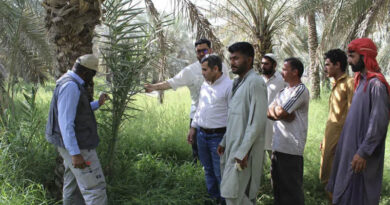
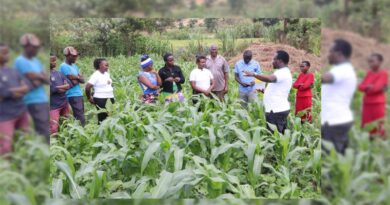
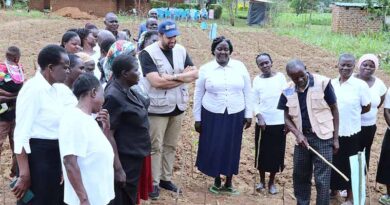
Hosted on a four-hectare demonstration farm owned by Hassan Amghar and Halima Zrouki, participants observed cactus restoration techniques, multiplication methods, heritage cactus stands, fruit production systems and environmentally friendly pest management approaches.
The project is validating affordable alternatives to synthetic pesticides by combining field research with farmer training. Demonstrations highlighted integrated pest management (IPM) practices, including regular pest monitoring, sanitation, healthy planting materials, and black soap applications that protect beneficial insects such as honeybees while reducing pest pressure.
Knowledge exchange was equally important. Farmers shared practical experiences while researchers and extension specialists discussed ways to strengthen technical support and scale successful practices.
“Our work focuses on fruit production and collective marketing, and we remain committed to promoting the value of cactus fruit. I would also like to express our sincere gratitude to the researchers for their support during the peak infestation period, which helped sustain cactus production in the region.” – Halima Zrouki, women cooperative leader
As the project expands farmer training and field validation, these efforts are laying the foundation for more resilient cactus production systems, stronger rural livelihoods and healthier landscapes across Morocco.
“Our replanting strategy starts with sourcing healthy, disease-free cladodes. We carefully select planting material, follow appropriate spacing and planting techniques, carry out sanitation measures before planting, and conduct weekly monitoring during the early establishment stage to ensure successful growth.” – Hassan Amghar, farmer
For most participants, the field day was an opportunity to exchange practical experiences rather than simply observe demonstrations. Farmers shared what has worked in their own fields, while researchers and extension specialists discussed how successful approaches can be refined, validated and scaled to other cactus-growing areas.
Also Read: Bayer Launches New Insecticide Trance for Cotton in India
Global Agriculture is an independent international media platform covering agri-business, policy, technology, and sustainability. For editorial collaborations, thought leadership, and strategic communications, write to pr@global-agriculture.com