Rome Nutrition Week 2026: Healthy Diets Take Center Stage in the Global Food Systems Agenda
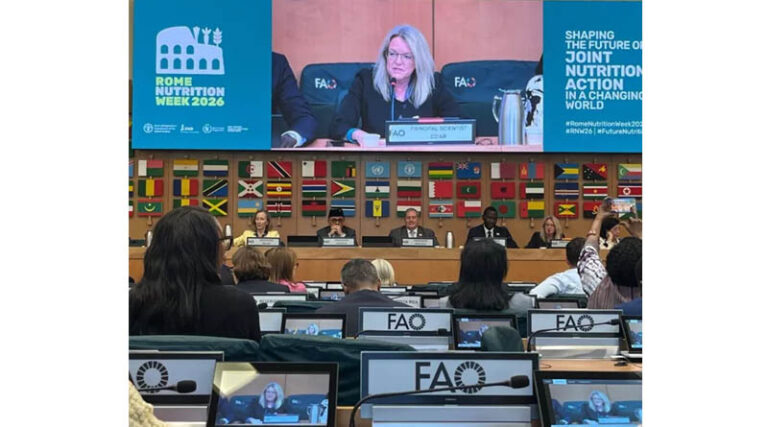
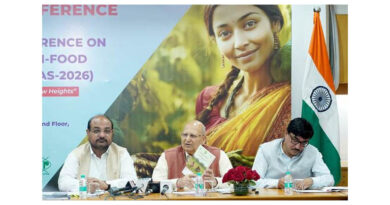
13 August 2026, Rome: Rome Nutrition Week (RNW) 2026 brought together governments, UN agencies, researchers, donors, and development practitioners around one central question: how can food systems better deliver healthy diets for all? Over four days at FAO headquarters, the Rome-based agencies (FAO, IFAD, WFP, and UN Nutrition) focused on the evidence, financing, local solutions, and coordinated action needed to answer it.
While the event covered a wide range of nutrition topics, four themes emerged consistently: the growing prominence of healthy diets, the importance of school meals, the need for local food solutions, and the persistent challenge of connecting health and agriculture agendas.
Healthy Diets: The Unifying Narrative
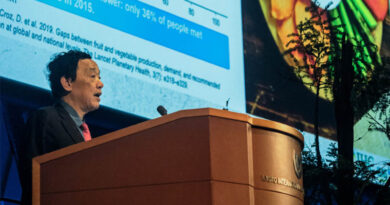
Perhaps the week’s strongest message was the centrality of healthy diets as both a nutrition objective and a food systems outcome. Senior government and UN representatives repeatedly stressed that food must be not only available, but accessible, affordable, and healthy; FAO’s Director-General highlighted the need to make fruits, vegetables, and other nutritious foods affordable for all, a message echoed by country representatives and development partners throughout the week.
Food Systems-Based Dietary Guidelines Gain Momentum
One of the week’s most technically significant sessions focused on Food Systems-Based Dietary Guidelines (FSBDGs). FAO showcased its growing toolkit for helping countries integrate food systems considerations into guidelines, with country experiences from Mexico, Madagascar, Kyrgyzstan, and Guatemala showing how they can move beyond nutrition messaging to address sustainability, biodiversity, culture, and production systems.
Mexico’s experience was particularly compelling: presenters showed how national dietary guidelines can simultaneously improve health outcomes, conserve biodiversity, build climate resilience, support economic development, and preserve culture.
School Meals Emerge as a Flagship Solution
If one intervention stood out across the week, it was school meals — repeatedly cited by ministers, UN leaders, and development partners as one of the most effective ways to link agriculture, nutrition, social protection, and education.
A dedicated session on “Scaling Nutrition through Inclusive, Diverse, and Local School Meals,” co-organized by Governments of Brazil, Finland, Philippines, Angola, FAO, WFP, Alliance of Bioversity International and CIAT, School Meals Coalition, drew strong participation, emphasizing how school feeding can improve children’s diets, create stable markets for local farmers, support women’s economic empowerment, and strengthen local food systems.
High-profile participation, including Brazil’s First Lady Janja Lula da Silva, underscored the growing political momentum behind school meals, while Kenya and the Philippines showed how home-grown school feeding can support both nutrition and local agriculture.
Local Food Solutions for Global Impact
Wednesday’s WFP-led session, “Local Food Solutions for Global Impact,” was among the most closely aligned with current thinking on sustainable food systems.
Speakers stressed that food systems should produce what people need to eat, not simply what is easiest to grow or market, highlighting opportunities to promote underutilized foods such as baobab and cowpea.
The Persistent Challenge: Bridging Health and Agriculture
Despite strong food systems rhetoric, one challenge remained evident throughout the week: the continued separation between nutrition and agriculture. Sessions on non-communicable diseases, healthier food environments, and regulatory approaches such as front-of-package labeling raised important issues of political economy and industry influence, but many stopped short of connecting these outcomes back to agricultural production, biodiversity, and food supply chains.
Emerging Opportunities
Several opportunities emerged from the week’s discussions: growing demand for practical tools and capacity strengthening to help governments and institutions integrate nutrition into their work; a rising focus on dietary guidelines, healthy food environments, and school meals that creates room to better integrate biodiversity and local food systems; and the continued value of partnerships across UN agencies, governments, researchers, donors, and civil society.
Looking Ahead
Rome Nutrition Week 2026 reflected a broader evolution in the global nutrition agenda, with healthy diets increasingly recognized as the outcome that can unite agriculture, health, environment, education, and social protection. Achieving healthier diets at scale will require food systems that make healthy foods available, accessible, affordable, and desirable for everyone.
Global Agriculture is an independent international media platform covering agri-business, policy, technology, and sustainability. For editorial collaborations, thought leadership, and strategic communications, write to pr@global-agriculture.com