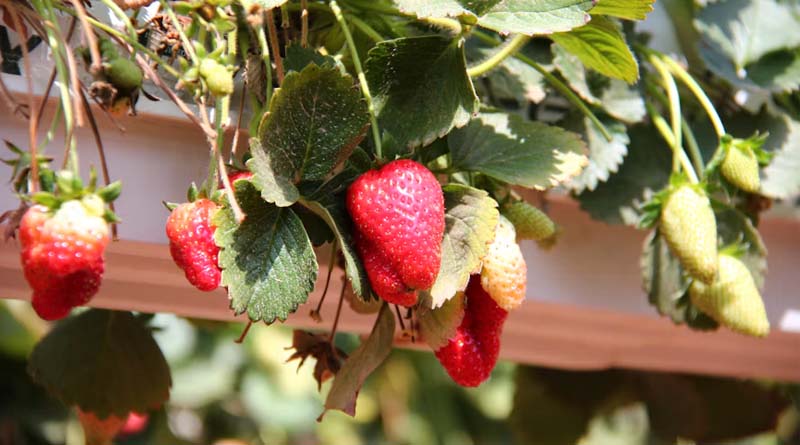
Gene-Edited Strawberries From Simplot Clear UK Regulatory Hurdle
10 October 2026, England: Idaho-based food and agriculture company J.R. Simplot has used gene editing to create strawberry plants that keep fruiting
Read More

Get the latest gene-edited strawberries news, research and developments covering fruit biotechnology, genome editing, crop improvement and horticultural innovation. Gene editing enables researchers to make targeted changes to a plant’s DNA to investigate or develop traits such as improved fruit quality, disease resistance, shelf life and adaptation to environmental stress. In strawberries, these technologies are being studied alongside conventional breeding to address production challenges and improve commercially important characteristics.
Research focuses on genes associated with fruit size, colour, flavour, firmness, ripening, flowering and responses to pathogens. Tools such as CRISPR-Cas systems allow scientists to investigate specific genetic functions and explore ways to develop strawberry varieties with selected traits. Researchers are also examining genetic mechanisms involved in powdery mildew resistance, fruit development and plant architecture. Progress towards commercial applications depends on successful plant regeneration, stable trait expression, field performance, consumer acceptance and regulatory requirements in different markets.
Find updates on gene-editing experiments, strawberry breeding programmes, biotechnology research, field trials and regulatory decisions. Coverage includes developments in disease-resistant varieties, fruit quality, post-harvest performance and cultivation efficiency, alongside research partnerships involving universities, biotechnology companies and horticultural institutions. These developments provide insight into how genome editing may contribute to strawberry improvement and the future of fruit production.
10 October 2026, England: Idaho-based food and agriculture company J.R. Simplot has used gene editing to create strawberry plants that keep fruiting
Read More