First Belarusian Potash Cargo in Four Years Set to Reach US Port
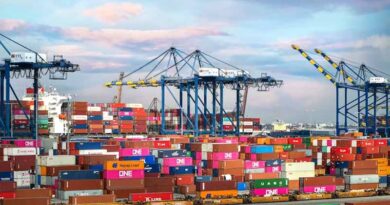
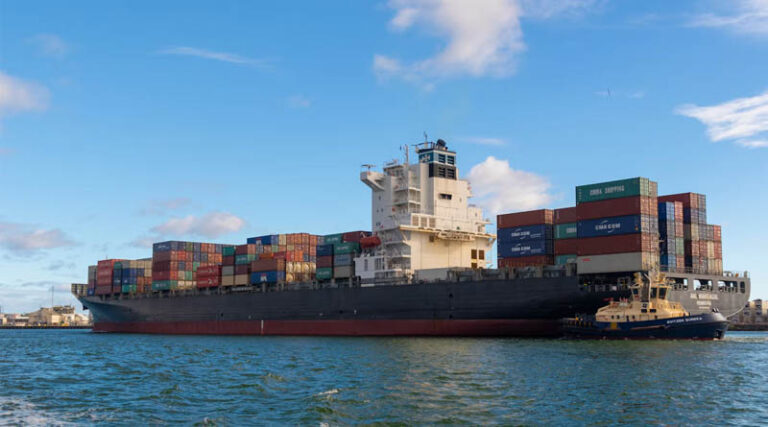
07 October 2026, New Orleans: A 30,000-tonne shipment of Belarusian potash fertilizer is due to arrive at the Port of New Orleans around October 14, marking the first delivery of its kind to the United States in four years, according to trade press reports citing shipping data confirmed on October 5. The cargo of granular muriate of potash, loaded on September 15 and carried on a Marshall Islands-registered vessel, was shipped by Belaruskali and the Belarusian Potash Company from the Russian port of Bronka near St. Petersburg, since European Union sanctions still bar Belarusian potash from transiting through Lithuania’s Klaipeda port, its traditional export route.
The shipment follows a staged easing of US sanctions on Belarus’s potash sector. The US Treasury’s Office of Foreign Assets Control issued General License 13 on December 15, 2025, authorizing transactions with Belaruskali, the Belarusian Potash Company and a related entity, Agrorozkvit LLC. That license was formally published in the Federal Register on March 2, 2026. The relief came after Belarus agreed to release more than 120 political prisoners in talks with US officials, unwinding part of the sanctions regime Washington imposed in 2021 in response to the Lukashenko government’s crackdown on pro-democracy protests.
President Donald Trump raised the prospect of a larger supply arrangement in September 2026, telling reporters the administration was pursuing a bulk potash purchase from Belarus at a discount to prevailing prices. He has separately threatened “very severe tariffs” on Canadian fertilizer imports, arguing that reducing US reliance on Canada would strengthen domestic leverage, even as Canadian potash continues to supply the bulk of American demand.
A Small Cargo With an Outsized Political Signal
The scale of this first shipment is modest next to the United States’ overall appetite for the nutrient. Canada supplies nearly 80 percent of US potash imports, and the country’s annual import volumes run into the millions of tonnes, so 30,000 tonnes amounts to a rounding error in supply terms. Before 2021, Belarus had exported an average of roughly 635,000 tonnes of potash to the United States each year, and the country holds the world’s second-largest potash reserves after Canada, alongside a pre-sanctions share of around a fifth of global production.
Analysts quoted in trade coverage have cautioned that Belarus is unlikely to undercut Canadian pricing in the near term, given the added freight costs of routing cargo through Russian ports rather than the Baltic, and the limited number of buyers willing to navigate the compliance risk that still surrounds Belarusian trade. The EU has not matched Washington’s sanctions relief, which keeps Belarusian producers locked out of their largest historical export corridor into Europe. For now, the shipment functions more as a diplomatic marker, coming ahead of US midterm elections and amid ongoing trade friction with Ottawa, than as a structural shift in where American farmers source their fertilizer.
Even so, the symbolism matters for a global potash market that has spent the past four years adjusting to Belarus’s partial exclusion. Western buyers who once sourced from Minsk had to lean more heavily on Canadian, Russian and other suppliers, tightening the pool of sellers at a time when fertilizer demand has stayed firm. Any durable return of Belarusian volumes to Western markets, even in small increments, reopens a supply channel that producers in Canpotex’s Canadian bloc and in Russia had effectively absorbed between them.
Global Agriculture is an independent international media platform covering agri-business, policy, technology, and sustainability. For editorial collaborations, thought leadership, and strategic communications, write to pr@global-agriculture.com