First Belarusian Potash Cargo Nears US Port Amid Sanctions Thaw
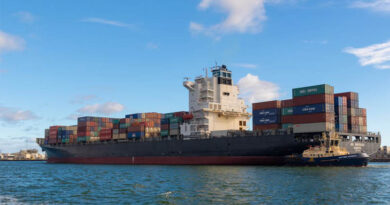
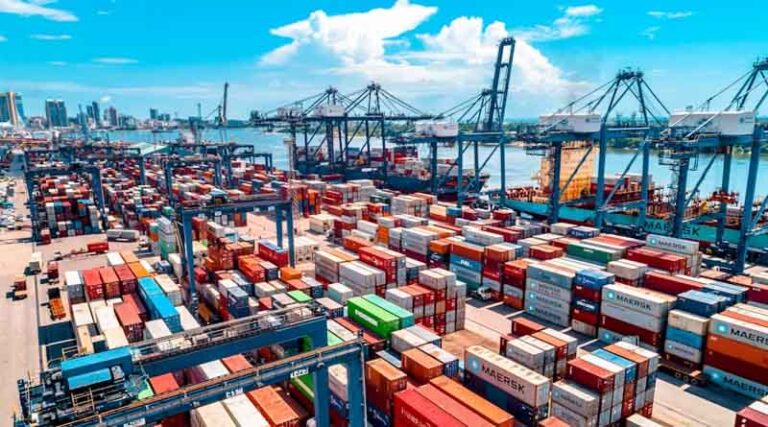
15 October 2026, New Orleans: A 30,000-tonne shipment of Belarusian potash is due to arrive at the Port of New Orleans this week, according to shipping-data provider Kpler, marking the first concrete delivery under a US push to diversify its potash supply away from near-total reliance on Canada. The cargo was loaded at Russia’s Bronka port near St Petersburg, since landlocked Belarus has no sea access of its own and EU restrictions complicate its usual shipping routes, Al Jazeera reported on October 14, citing Kpler data and the US Geological Survey.
Potash, a potassium-based input with no agronomic substitute, is essential to crop nutrition worldwide, and the United States imports almost all of what it uses. Canada supplies close to 80% of US potash and Russia about 12%, according to the USGS, leaving the US with little diversification in its single largest fertiliser import category. President Trump has said Belarusian potash could be priced “substantially less” than Canadian supply, though industry analysts, and Belarusian President Alexander Lukashenko himself, have questioned whether Belarus has the spare volumes to meaningfully supply Western markets, since its existing output is largely committed under long-term contracts, chiefly to China.
Sanctions relief tied to prisoner releases
The shipment follows a series of US sanctions rollbacks on Belarusian potash producers, including the state firm Belaruskali, that began in March 2026 in exchange for Minsk releasing 250 political prisoners under a deal brokered by Washington. A further exchange in September 2026, announced by US special envoy John Coale, saw Belarus release 25 more prisoners in return for additional sanctions relief. The sanctions trace back to 2021, when the Biden administration responded to the Lukashenko government’s crackdown on the 2020 protest movement, and were reinforced after Belarus’s role supporting Russia’s 2022 invasion of Ukraine. Exiled Belarusian opposition leader Sviatlana Tsikhanouskaya has criticised the commercial opening, arguing that potash export revenue helps sustain both domestic repression and Russia’s war effort, and noting that several hundred political prisoners remain jailed in the country.
The US has separately cut tariffs on Canadian potash, from 25% to 10% in 2025, and most Canadian potash qualifies for duty-free treatment under the USMCA trade agreement, which limits how far a Belarusian alternative can undercut Canadian supply on price alone. Analysts say Washington’s overtures to Belarus may be less about building a genuine alternative supply chain and more about gaining leverage in ongoing price discussions with Canadian producers, who supply the overwhelming majority of US needs and are unlikely to be displaced by a single cargo, a small fraction of the 5.6 million tonnes of potash the US imported last year.
A deal with more moving parts
Lukashenko has also floated a broader fertiliser tie-up, saying he discussed a nitrogen fertiliser plant in Belarus with Russian President Vladimir Putin that could involve Gazprom, and inviting US companies to take part using American technology, an offer Washington has not confirmed taking up. The overall picture is of a fertiliser relationship still being negotiated in public statements and limited pilot shipments, rather than a settled new supply route.
For farmers, the immediate relief from any of this is likely to be modest. Disruption to shipping through the Strait of Hormuz has squeezed global nitrogen fertiliser markets more directly than potash, and even if potash costs ease at the margin, US growers still face elevated diesel and machinery costs that a cheaper potassium input alone will not offset.
Also Read: Bayer to Distribute INERA’s Biological Crop Nutrition Products in India
Global Agriculture is an independent international media platform covering agri-business, policy, technology, and sustainability. For editorial collaborations, thought leadership, and strategic communications, write to pr@global-agriculture.com