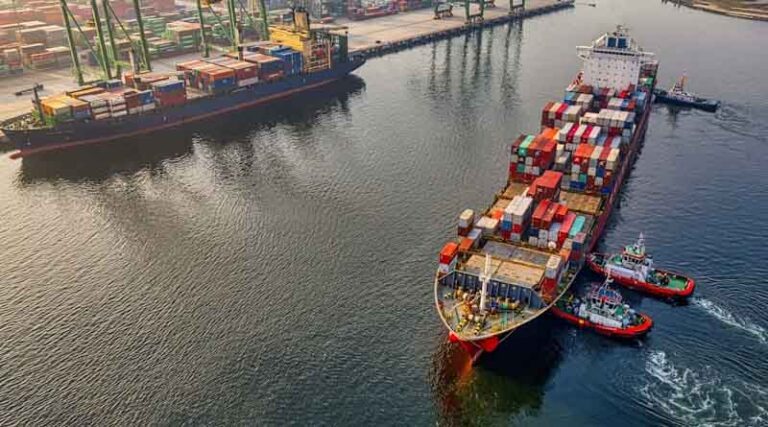
15 October 2026, Beijing: Chinese state-owned trading firms bought 8 to 10 Panamax cargoes of American soybeans this week, the first large purchases since Presidents Donald Trump and Xi Jinping met in Washington in late September, according to trade sources cited by Reuters and separately confirmed by Pro Farmer on October 14. Each cargo holds roughly 65,000 tonnes, putting the week’s business at somewhere between 520,000 and 650,000 tonnes, for shipment from December onward.
The buyers paid premiums of $3.10 to $3.20 a bushel over the January Chicago Board of Trade soybean contract, according to trade sources. That is a notable premium, and it signals China still needs US supply even after years of diversifying toward Brazil and other suppliers.
The purchases were not a given. After the Trump-Xi summit, the two governments released a list of proposed tariff reductions that left soybeans out, which had cooled hopes that private Chinese crushers, as opposed to state firms, would return to the US market soon. A pause in Chinese buying through China’s National Day holiday in early October added to the uncertainty before this week’s deals.
Still a long way to the 25-million-tonne target
Even with this week’s cargoes, China remains well behind the pace needed to meet the 25-million-tonne target for US soybeans that the White House has attached to the 2026/27 marketing year understanding reached around the Trump-Xi summit. Before this week’s purchases, China had bought about 13.7 million tonnes of US soybeans this marketing year, so the new business pushes the total past half the goal with several months still to run. China’s overall soybean imports in September came in at 11.88 million tonnes, down 7.7% from a year earlier, according to Chinese customs data, suggesting total demand has softened even as the political relationship with Washington has improved.
China’s state reserves manager, Sinograin, also auctioned imported soybeans from its stockpile this week, selling just over 40% of the 518,000 tonnes on offer, with traders expecting further sales in coming weeks. That points to Beijing managing supply through several channels at once (fresh US purchases, existing Brazilian stock and reserve releases) rather than leaning on any single source.
For American farmers, the resumption is welcome after a stretch in which trade tension with China, previously the largest single buyer of US soybeans, left elevators and processors holding unusually large unsold stocks heading into this year’s harvest. Soybean futures rose modestly on the news, with the nearby contract up a few cents and soybean meal and oil also firmer, though analysts cautioned that heavy harvest-time supply could cap further gains.
The scale of Chinese demand for soybeans means that any shift in US-China trade flows is felt by producers and input suppliers well beyond North America. Brazilian and Argentine exporters, who gained market share in China during the trade dispute years, will be watching closely to see whether this week’s cargoes are a one-off gesture tied to the summit or the start of a sustained return to US sourcing. A durable shift back toward US beans could ease some of the premium Chinese buyers have been paying for South American supply, with knock-on effects for freight rates and crush margins across the oilseed complex.
Global Agriculture is an independent international media platform covering agri-business, policy, technology, and sustainability. For editorial collaborations, thought leadership, and strategic communications, write to pr@global-agriculture.com