China Extends Fresh-Crop US Soybean Buying Streak as New Marketing Year Opens
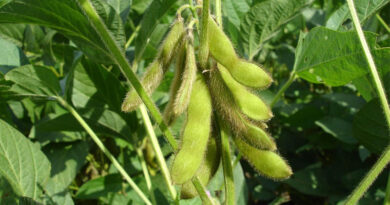
02 September 2026, Beijing: Chinese buyers purchased another 136,000 metric tons of new-crop U.S. soybeans on September 1, the opening day of the 2026-27 U.S. soybean marketing year, bringing purchases over the prior three trading sessions to roughly 703,000 metric tons, according to U.S. market reporting that cited USDA export sales data.
The purchases extend a buying pattern that has been building since mid-2026 under the terms of an agricultural trade understanding reached between Washington and Beijing following a May summit between President Trump and President Xi Jinping. Under that arrangement, China committed to purchasing at least 25 million metric tons of U.S. soybeans annually through 2028, alongside increased purchases of other American farm products, as part of a broader de-escalation in agricultural trade tensions between the two countries.
Chinese demand had already been building through the summer. Earlier USDA data showed China booking roughly 6 million metric tons of new-crop soybeans by early August and continuing to add cargoes through the month, with traders noting that purchases were being timed partly around favorable pricing after the most active soybean futures contract weakened and partly around anticipated diplomatic engagement between the two governments, including a Xi Jinping visit to the United States expected later this year. Industry sources have described the pace of purchasing as tracking, if not exceeding, prior-year levels for this point in the marketing year calendar.
Alongside the direct purchases, China’s state grain trader Sinograin has separately been running a series of reserve auctions of previously imported soybeans through the summer, offering more than 2 million metric tons across five sales between late July and late August, with clearance rates rising from below half at the first auction to well above 80 percent by the most recent rounds. Analysts have read the combination of active reserve auctions and aggressive new purchasing as China deliberately clearing warehouse space ahead of the fall harvest so it can absorb the fresh American supply arriving under the trade commitment.
For American soybean growers heading into harvest, sustained Chinese demand at the opening of the marketing year is a meaningfully positive signal after several years in which trade tensions periodically pushed China toward Brazilian and other South American supply instead. Mike McCranie, a South Dakota farmer who chairs the U.S. Soybean Export Council board, said earlier in the season that the pace of purchases was a good indication China intends to follow through on its 25 million ton commitment, a view that has held up as the buying has continued into September.
The dynamic carries direct relevance for global soybean trade flows that matter well beyond the United States and China. Brazil has built much of its status as the world’s largest soybean exporter on Chinese demand captured during years when U.S.-China trade tensions were high, and any sustained shift in Chinese buying back toward U.S. origin, particularly during the September to December window when American supply is most competitive, affects Brazilian and Argentine export pricing and, by extension, the broader South American origination market that Indian edible oil and soybean meal importers also draw on. A durable Chinese commitment to U.S. beans could also ease some of the price pressure that has weighed on U.S. farm income, with knock-on effects for global benchmark soybean and soybean meal prices that Indian crushers use in their own procurement decisions.
Whether the current pace is sustained through the peak U.S. harvest and export season, when competition with Brazilian old-crop supply typically eases seasonally, will be the next major test of how firmly the trade arrangement holds.
Also Read: Syngenta Welcomes Trevor Watson As Turf Territory Manager For Mid-atlantic And Northeast Region
Global Agriculture is an independent international media platform covering agri-business, policy, technology, and sustainability. For editorial collaborations, thought leadership, and strategic communications, write to pr@global-agriculture.com