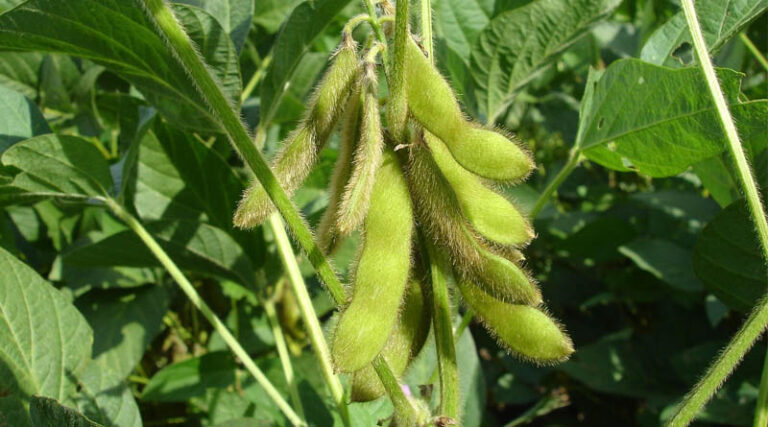
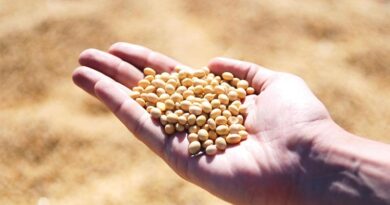
14 October 2026, Brasília: Brazil’s National Technical Biosafety Commission, known as CTNBio, has cleared a new genetically modified soybean event developed by the Brazilian biotechnology unit of Beijing Dabeinong (DBN) Technology Group, one of China’s largest agricultural conglomerates. The approval, dated October 12, covers a three-way stacked soybean designated DBN9004 x DBN8002 x DBN8205, combining two herbicide-tolerance genes with three insect-resistance genes in a single seed. It is the latest sign that Chinese agricultural biotechnology companies are pushing further into Brazil, the world’s largest soybean producer and exporter, a market long dominated by a handful of Western seed and chemical companies.
The approved event layers multiple traits that have traditionally been sold as separate products. The first is epsps, a gene that confers tolerance to glyphosate, the world’s most widely used herbicide, by allowing the plant to keep making the amino acids glyphosate normally blocks. The second is pat, which confers tolerance to a second herbicide, glufosinate ammonium, by producing an enzyme that deactivates the chemical inside the plant before it can interfere with nitrogen processing. Pairing two herbicide-tolerance genes with different chemistries gives growers more than one option for weed control in the same field, which helps slow the spread of herbicide-resistant weeds that have built up after years of reliance on glyphosate alone.
The remaining three genes, cry1Ac, cry2Ab2 and mVip3Aa, are insect-resistance genes derived from the soil bacterium Bacillus thuringiensis, commonly shortened to Bt. The Cry proteins work by binding to receptors in the gut lining of caterpillar pests, puncturing the gut wall and killing the insect after it feeds on the plant. The Vip protein works through a different binding site in the insect gut, so pests that evolve resistance to one type of toxin are less likely to survive exposure to the other. Using toxins with distinct modes of action in the same plant is a standard resistance-management strategy in the seed industry, intended to extend the useful life of Bt technology as pest populations are exposed to it season after season.
Why This Combination Matters for Brazilian Growers
The three pests named in the approval, fall armyworm, southern armyworm and cotton bollworm, are among the costliest lepidopteran pests in South American row-crop systems. Fall armyworm in particular has shown an increasing ability to survive some older single-gene Bt traits across Brazilian soybean and corn regions in recent years, which has pushed seed developers toward stacking newer toxins such as Vip3Aa alongside the older Cry proteins rather than relying on any one gene by itself. A three-toxin insect-resistance package, on top of dual herbicide tolerance, reflects how far trait stacking in soybean has moved beyond the single-gene products that defined the first wave of GM crops in the 1990s and 2000s.
CTNBio’s review process is intended to assess environmental and food and feed safety before an event can be grown or sold commercially in Brazil. The commission’s own technical opinion on this specific approval, which would normally contain the efficacy and safety data behind the decision, could not be accessed directly for this article; attempts to reach CTNBio’s filing system and DBN’s own announcements were unsuccessful at the time of reporting. The approval itself, including the event name, the five genes involved and the three named target pests, was confirmed directly against a dated regulatory news source. No trial yield data, named company or regulatory officials, or launch timeline were available in that source, and none is presented here as fact.
A Growing Competitor in a Concentrated Market
CTNBio approval is a regulatory milestone, not a commercial launch. New soybean events typically require additional seed multiplication and registration steps in Brazil before they reach growers’ fields, a process that can take one or more growing seasons. DBN’s push into stacked-trait soybean nonetheless adds a new name to a trait-licensing business that has, for most of its history, been concentrated among Bayer, Corteva, Syngenta and BASF. Chinese state-linked and private agricultural companies have been expanding their biotechnology investments over the past several years, and a Brazilian approval of this kind gives a domestic foothold that could support further trait launches in South America’s soybean belt.
Global Agriculture is an independent international media platform covering agri-business, policy, technology, and sustainability. For editorial collaborations, thought leadership, and strategic communications, write to pr@global-agriculture.com