03 October 2026, Brasília: Brazilians go to the polls on Sunday, October 4, in a presidential election that has become unexpectedly entangled with the state of soybean trade between the United States and China, two countries that together shape the fortunes of Brazil’s single largest agricultural export.
Incumbent President Luiz Inácio Lula da Silva, 80, is seeking another term against Senator Flávio Bolsonaro, 45, son of the imprisoned former president Jair Bolsonaro, with polling showing the two essentially tied heading into a likely runoff on October 25. Goiás state governor Ronaldo Caiado, who represents one of Brazil’s most productive farm states, is also on the ballot and has positioned himself as the agribusiness sector’s preferred candidate, though he trails the front runners in most polls.
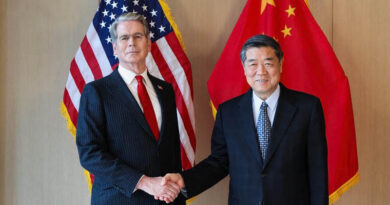
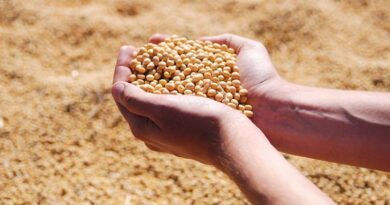
The campaign’s agricultural subplot traces back to a September 24 meeting in Washington between President Donald Trump and Chinese leader Xi Jinping, which extended a US-China trade truce to January 10, 2027. The two sides agreed to a package cutting tariffs on more than 1,600 products worth roughly 30 billion dollars, covering items from crude soybean oil to corn, cotton, sorghum and durum wheat. Notably, whole soybeans for food and crushing, the single biggest line item in US agricultural exports to China, were left out of that deal.
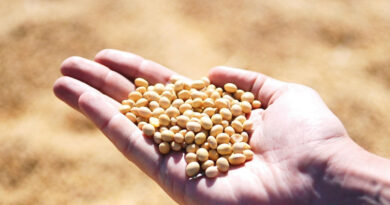
Soybeans, excluded from the deal, remain the sticking point
China has separately pledged to buy at least 25 million metric tons of US soybeans annually through 2028, part of an earlier understanding between the two governments. But trade press tracking actual purchases put committed volume for the 2026/27 crop year at only about 10.2 million tonnes so far, well behind the pace needed to hit the annual target. Brazil, meanwhile, now supplies around 71 percent of China’s soybean imports, a share that has grown steadily as Chinese buyers diversified away from the United States during years of tariff disputes.
That leaves Brazilian soybean growers in an odd position. Every tonne China buys from American farmers under the new truce is a tonne it is not buying from Brazil, yet Brazil’s exporters have been the biggest beneficiaries of the US-China trade friction that preceded this year’s détente. Mato Grosso, Brazil’s largest soybean producing state, is widely seen as a decisive battleground in the presidential runoff, and farm groups there are watching the US-China relationship as closely as they are watching the ballot count.
Trade tension with Washington has also become a direct campaign issue. The Trump administration imposed tariffs of up to 50 to 75 percent on some Brazilian goods during 2025 and 2026, and Lula has accused the US president of interfering in Brazil’s domestic politics. Trump, for his part, has said he is following the Brazilian election very closely and called it very important, while stopping short of endorsing either candidate. Both campaigns have used the tariff dispute to try to paint the other as either too confrontational with Washington or too accommodating to it.
Brazilian agribusiness itself is not univocal. Rising oil and gas revenue has partly cushioned the economy from the tariff hit, and some exporters argue that Lula’s balancing act between Washington and Beijing has, on net, worked in Brazil’s favor by keeping Chinese demand strong even as it frustrates American farmers. Others worry that a second Trump term combined with closer US-China agricultural ties could eventually erode Brazil’s hard won market share in China if Washington succeeds in getting soybeans back into a future tariff deal.
Global Agriculture is an independent international media platform covering agri-business, policy, technology, and sustainability. For editorial collaborations, thought leadership, and strategic communications, write to pr@global-agriculture.com