Rothamsted Study Finds Reduced Tillage Beats Mulching on Emissions
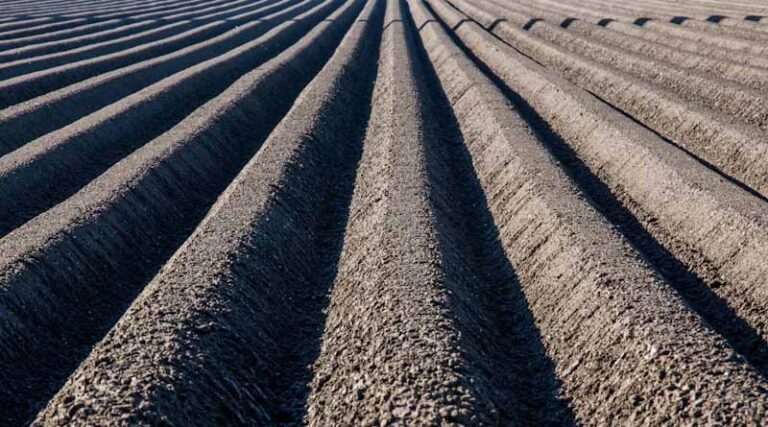
15 October 2026, London: A review of 422 published studies by Rothamsted Research, the UK’s largest agricultural research institute, has found that reduced or zero tillage (farming with little or no soil disturbance before planting) is the most reliable way among common conservation agriculture practices to cut greenhouse gas emissions from farmland, while mulching, covering soil with crop residue or cover crops, can in some systems increase emissions rather than lower them. Rothamsted published the findings in September 2026.
The review was led by Dr Muneta Grace Kangara, a soil scientist in Rothamsted’s Climate and Nutrient-Smart Agriculture research group, and appears in the journal Agricultural Systems. Rather than running a new field trial, the team pooled and compared results from 422 individual studies carried out in both temperate and tropical farming systems worldwide, assessing four widely promoted practices, reduced or zero tillage, mulching and residue retention, crop rotations, and fertilizer management, for their effects on three greenhouse gases: carbon dioxide, nitrous oxide, and methane.
What the evidence shows
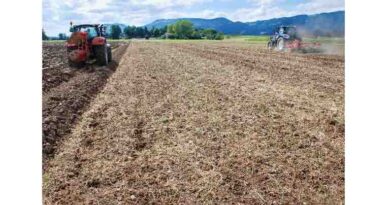
On tillage, the review found the most consistent evidence across studies: reduced and zero-tillage systems showed strong evidence of lower carbon dioxide emissions, some evidence of lower nitrous oxide emissions, and limited evidence that they increase the soil’s ability to absorb methane. Mulching told a more complicated story. While covering soil with crop residue or cover crops is well established for protecting soil structure and retaining water, the review found that in some systems it actually raised emissions of all three gases, which the researchers attribute to decomposing residue stimulating microbial activity in the soil. Crop rotations that included legumes were linked to lower carbon dioxide emissions than continuous cereal-on-cereal rotations, though the review did not find a clear pattern for how rotations affect nitrous oxide or methane specifically. Fertilizer management showed mixed effects depending heavily on local conditions, but nitrogen application rate stood out as the single biggest driver of nitrous oxide emissions regardless of which other practices a farm used.
Dr Kangara said the practices reviewed “showed mixed effects on greenhouse gas emissions,” adding that “environmental factors like rainfall and soil type create complex challenges” for drawing simple conclusions. The authors are calling for more long-term field trials, more consistent and standardized ways of measuring and reporting emissions across studies so results from different teams can be compared reliably, and more research specifically from Africa, which the review identifies as a data-scarce region in the current evidence base. The findings matter mainly for what they push back against: a common assumption, repeated in extension advice, marketing materials, and some carbon-credit program designs, that conservation agriculture practices as a group reliably reduce farm greenhouse gas emissions. Rothamsted’s review suggests that is only clearly true for reduced tillage among the four practices studied, while mulching in particular needs case-by-case evaluation rather than being assumed to be a climate win just because it protects soil.
Also Read: Bayer to Distribute INERA’s Biological Crop Nutrition Products in India
Global Agriculture is an independent international media platform covering agri-business, policy, technology, and sustainability. For editorial collaborations, thought leadership, and strategic communications, write to pr@global-agriculture.com