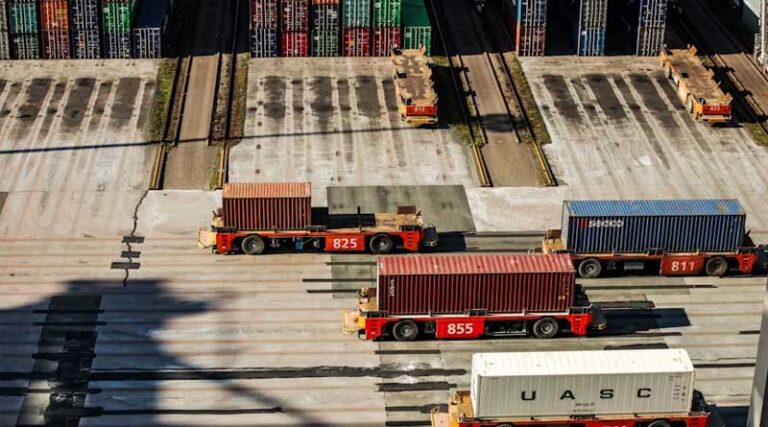
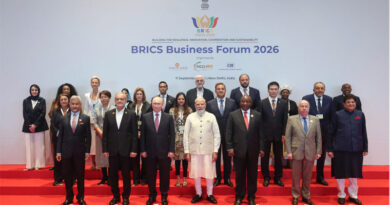
18 September 2026, Beijing, China: The United States and China opened a fresh round of trade talks over the weekend of September 19 to 20, with US Treasury Secretary Scott Bessent meeting Chinese Vice Premier He Lifeng to discuss cutting tariffs on agricultural goods and energy, five days before President Donald Trump and President Xi Jinping are due to meet in Washington on September 24. The talks, confirmed by multiple wire reports on September 15, cover an estimated 30 billion dollars in bilateral trade and could bring the most concrete agriculture-specific concessions since the two countries’ one-year trade truce was struck in October 2025.
US Trade Representative Jamieson Greer said announcements on agriculture and on non-tariff barriers affecting agriculture are expected to accompany Xi’s visit, which the White House has said will include a state dinner. The discussions reportedly extend beyond farm goods to most-favored-nation tariff treatment for some Chinese imports and reduced duties on Chinese-made manufacturing inputs, alongside a possible extension of the existing truce.
Soybean purchases already running ahead of schedule
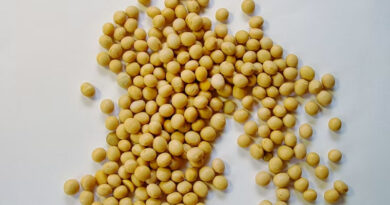
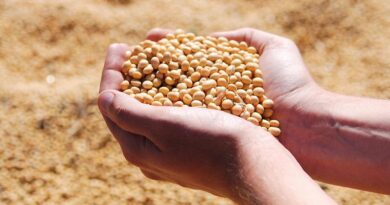
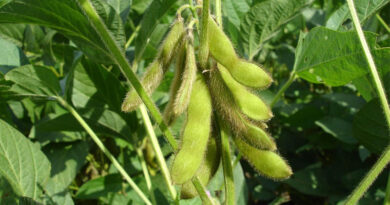
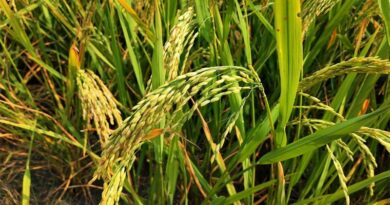
Agriculture is central to the talks because of a purchase framework China agreed to last year. Under that arrangement, Beijing committed to buying 25 million tonnes of US soybeans annually through 2028, on top of a separate pledge worth at least 17 billion dollars a year in additional US agricultural purchases. As of mid-September, Chinese state-owned buyers had already passed the halfway mark on this year’s soybean commitment, according to trade reporting confirmed against USDA export data. Total US-China trade has topped 400 billion dollars in the first eight months of 2026, underlining how much is riding on the outcome of this week’s talks.
A separate, earlier strand of the same trade relationship is also due to take effect around the same time. Under a reciprocal deal reached in July 2026, China agreed to drop a 10 percent retaliatory tariff on US soybeans, corn and wheat once Washington lifted its own 10 percent tariff tied to fentanyl precursor chemicals. Commodities economists have pointed to October 1 as the likely date those cuts take effect, which would coincide with the seasonal window when Brazilian soybean supplies typically tighten and US exporters gain a competitive opening.
Markets are treating the run-up to the summit cautiously. Analysts note that purchase pledges are not the same as signed, delivered cargoes, and that Chinese crushers have continued to favour Brazilian soybeans for their higher protein content even after tariff relief. Even so, a formal announcement on agriculture tied to a leader-level summit would carry more weight than the incremental cargo-by-cargo purchases seen through the summer, because it would signal whether Beijing intends to treat the 25-million-tonne pledge as a floor rather than a ceiling for the next three years.
Global Agriculture is an independent international media platform covering agri-business, policy, technology, and sustainability. For editorial collaborations, thought leadership, and strategic communications, write to pr@global-agriculture.com