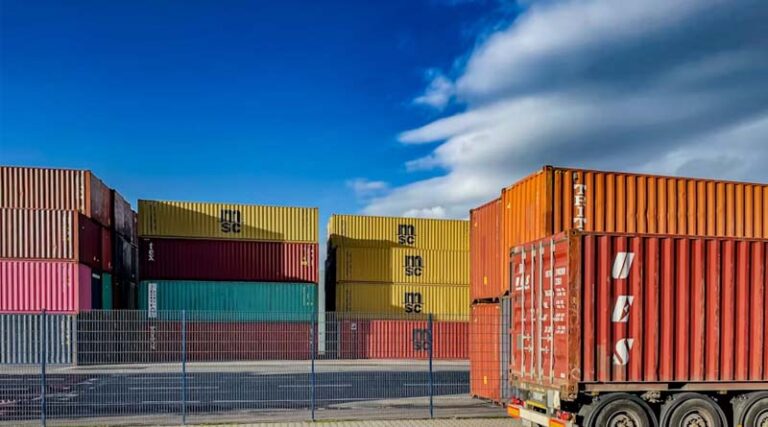
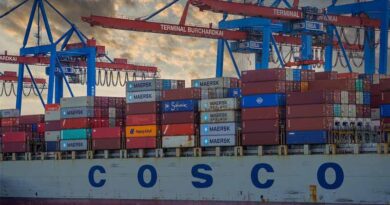
Russia Reroutes Grain Exports as Black Sea Strikes Halve Shipments
16 September 2026, Novorossiysk, Russia: Russia’s grain export machine, one of the pillars of global wheat supply, has been cut roughly in half since July as Ukrainian strikes on Black Sea port infrastructure force Moscow to search for new ways to move its harvest to buyers overseas.
According to the Moscow based agricultural consultancy SovEcon, Russian wheat shipments in the July to September window of the 2026/27 marketing year are tracking at around 5.6 million metric tons, down from 11.3 million tons in the same period a year earlier. September alone is forecast at roughly 2 million tons, less than half of last September’s 4.6 million tons. SovEcon has cut its full season export forecast by 3.2 million tons to 41.4 million tons.
The decline traces directly to a string of Ukrainian drone and missile strikes on export terminals since mid year. Shipments from ports on the Sea of Azov stopped entirely in mid July, and by mid August, strikes had knocked out most of the deep water terminals at Novorossiysk, Russia’s largest Black Sea grain hub. Three terminals there, including the country’s biggest, NKHP, NZT and KSK, suspended operations in quick succession after attacks that Russian officials said killed at least three people. Only the Tuapse terminal remains functional among the major facilities.
The Black Sea corridor normally carries more than 70 percent of Russia’s grain exports and generates close to 15 billion dollars a year in foreign currency earnings, according to Russian Grain Union president Arkady Zlochevsky, who has warned that the disruption risks a collapse in domestic wheat prices and could push some farms toward bankruptcy. Domestic fourth class wheat prices have already fallen from around 15,000 rubles a ton a year ago to about 12,000 rubles a ton, even as global prices stay firm.
Far East and China emerge as new corridors
With its main southern outlet crippled, Russia is racing to build alternative pipelines for its grain. Agriculture Minister Oksana Lut said this month that “millions of tons of Russian grain are already being shipped” through Baltic and Caspian Sea ports, while Kazakhstan is allowing unrestricted transit of Russian farm goods across its territory. Moscow is also in talks with Beijing about transiting grain through Chinese territory for onward sale into Southeast Asia, and is looking to expand shipments through its historically underused Far East ports.
The scale of the workaround remains limited. Industry analysts at UkrAgroConsult estimate that Baltic and Caspian routes combined can currently absorb only about half a million tons a month, a fraction of the volume that used to move through the south. Latvia, meanwhile, is considering a 300 percent duty on Russian and Belarusian grain shipments through its territory, a step that would blunt one of the few working alternatives.
Global wheat prices have so far reacted only modestly to the disruption. Chicago wheat futures remain below 7.25 dollars a bushel, with traders pointing to ample supplies elsewhere and soft import demand as reasons the market has not moved more sharply. Still, analysts caution that if Ukrainian strikes continue through the peak of the export season, buyers who depend on Black Sea wheat, including several countries in North Africa and the Middle East, may need to seek replacement cargoes from the European Union, Argentina, Australia or the United States.
What the disruption means for India and Latin America
For readers in India and other major agricultural economies, the Black Sea disruption is a reminder of how concentrated global wheat trade remains, and how quickly geopolitics can reshape it. India is largely self sufficient in wheat and only an occasional importer, but sustained tightness in Black Sea supply tends to lift benchmark global wheat and corn prices, which in turn affects the economics of India’s own export ambitions and the cost structure across the wider grain trade. For Latin American exporters, particularly Argentina and Brazil, a prolonged Russian shortfall is likely to be an opportunity, opening export windows into markets that have traditionally bought Black Sea grain. Fertiliser and logistics companies serving both regions are also watching closely, since any sustained rerouting of Russian cargo through the Far East and Central Asia could alter freight rates and vessel availability well beyond the Black Sea itself.
Whether Russia can rebuild meaningful export capacity before the northern hemisphere’s main shipping season will depend largely on the security situation in the Black Sea, which shows no sign of stabilizing. Ukrainian officials have given no indication they intend to ease pressure on Russian export infrastructure, and Russian forces have continued strikes on Ukraine’s own Danube river ports, meaning both of the world’s largest wheat exporting regions face continued disruption into the new marketing year.
Why it matters for India/LATAM: Prolonged Black Sea disruption keeps global wheat and corn prices elevated, squeezing importers while creating fresh export opportunities for South American grain exporters and reshaping global freight patterns.
Global Agriculture is an independent international media platform covering agri-business, policy, technology, and sustainability. For editorial collaborations, thought leadership, and strategic communications, write to pr@global-agriculture.com