EU Seeks New Ukraine Grain Routes as Black Sea Risks Mount
06 September 2026, Brussels: The European Union is actively working with Ukraine and its neighbouring countries to open new export corridors for Ukrainian grain, as intensifying Russian attacks on Black Sea shipping and unusually low water levels on the Danube River choke off the country’s two main outlets to world markets.
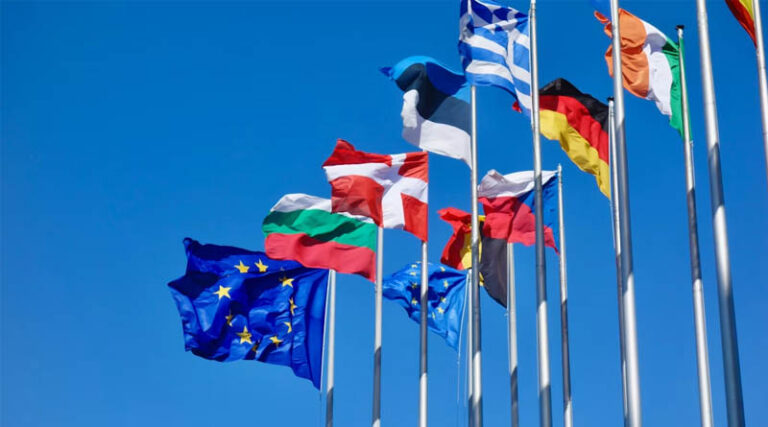
European Commissioner for Agriculture and Food Christophe Hansen confirmed on September 3, 2026 that the European Union is in active talks with Kyiv and countries along its western border to expand alternative logistics pathways, including road, rail and river links first set up as “solidarity lanes” after Russia’s 2022 invasion.
Attacks disrupt two main export routes
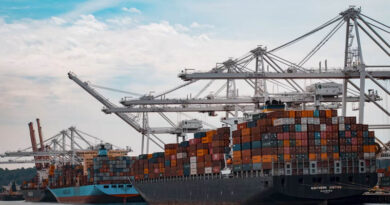
The urgency stems from a string of attacks through July and August. On July 19, 2026, the bulk carrier Golden Leo caught fire after being struck by Russian missiles as it left the port of Odesa carrying corn. Romania’s air defences detected more than 100 drones during seven separate mid-August incursions near its Danube ports. Ukraine’s largest river port, Izmail, was hit three times in August alone; a strike on August 29 killed one person and destroyed five grain trucks. At the same time, the Danube itself is running low, cutting the cargo capacity of the barges that are normally Ukraine’s fallback route when the Black Sea becomes too dangerous to use.
The combined squeeze has already moved global grain markets. Wheat and corn benchmarks touched multi-year highs in August, and the Bloomberg Agriculture Spot Index jumped more than 13 percent during the month, its sharpest monthly rise in over a decade. Ironically, some Ukrainian farmers have been forced to sell wheat below their cost of production as prices at blocked ports collapsed even as international benchmarks rose, a sign of how badly the logistics bottleneck, rather than a lack of grain, is distorting the market.
Among the options under discussion is a rail corridor running through Moldova and Romania to the Black Sea port of Constanta, which could handle roughly 10 percent of Ukraine’s export volumes. Moldova has already halved its transit tariffs through the end of the year to encourage more traffic on that route. Romania’s interim Defence Minister, Radu Miruță, has also been involved in discussions on securing the corridor.
Brussels also acts on drought at home
Hansen used the same intervention to turn attention to problems closer to home, urging EU governments to make full use of Common Agricultural Policy (CAP) flexibilities for farmers hit by this summer’s severe heat and drought. He pointed governments toward force majeure provisions, eased administrative and funding requirements, emergency funding tied to fertiliser costs, and faster advance payments under the CAP, the EU’s main farm support programme. Coming in the same week that both France and Germany announced multi-billion-euro national drought relief packages, Hansen’s comments signal that Brussels sees this as a bloc-wide crisis requiring coordinated tools rather than a series of unconnected national responses.
Also Read: Syngenta Welcomes Trevor Watson As Turf Territory Manager For Mid-atlantic And Northeast Region
Global Agriculture is an independent international media platform covering agri-business, policy, technology, and sustainability. For editorial collaborations, thought leadership, and strategic communications, write to pr@global-agriculture.com