18 September 2026, Sendai, Japan: A research team at Tohoku University in Japan has identified two synthetic small molecules that help plants conserve water during drought by closing their stomata, the microscopic pores on leaf surfaces that regulate gas exchange and water loss, without triggering the growth-slowing side effects seen with existing drought treatments. The findings, published in Nature Communications on July 27, 2026 and announced by the university on August 5, were led by Professor Nobuyuki Uozumi of the Department of Biomolecular Engineering, working with an international team of 26 co-authors.
Plants naturally respond to water stress by producing abscisic acid (ABA), a hormone that signals stomata to close and reduces water loss through transpiration. ABA has long been studied as a candidate for drought-protection sprays, but it carries a significant drawback: it also delays seed germination and slows root growth, making it commercially impractical for most row crops. The Tohoku team set out to find a way to achieve the same water-saving effect without those penalties.
How the molecules work
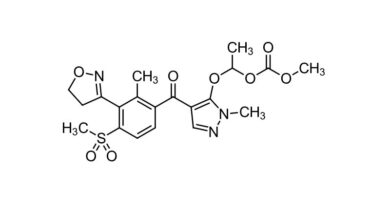
The researchers screened chemical libraries and identified two compounds, named NS5806 and a modified derivative called UA49, that act as inhibitors of a potassium ion channel called KAT1. This channel normally allows potassium ions to flow into guard cells, the paired cells that flank each stomatal pore, causing the pore to swell open. By blocking KAT1, the new molecules prevent this swelling and keep stomata closed, cutting water loss during dry conditions.
Critically, the team found that the compounds work through a previously unreported signaling pathway involving intracellular calcium, distinct from the pathway ABA uses. In laboratory trials on Arabidopsis thaliana, the small flowering plant widely used as a model organism in plant biology, treated plants showed improved drought tolerance and recovered more quickly once watering resumed, while showing none of the delayed germination or stunted root growth associated with ABA treatment.
From lab bench to field-ready product
The research is still at an early stage. Testing so far has been confined to Arabidopsis rather than commercial food or fiber crops, and the compounds have not yet been evaluated for cost, toxicology, or regulatory approval, all of which stand between a laboratory finding and a marketable product. Uozumi and his colleagues have framed the discovery as a starting point for a new class of biostimulants, products applied to crops to enhance stress tolerance rather than to supply nutrients directly, that could be developed for major field and horticultural crops facing increasing water scarcity.
If the mechanism translates from Arabidopsis to commercial crops such as wheat, soybean, or maize, agrochemical formulators would have a genuinely new mode of action to work with, one that targets an ion channel rather than a hormone receptor. That distinction matters commercially: a new mode of action is harder for pests or, in this case, plant stress responses, to develop resistance against, and it gives companies room to design combination products that do not overlap with existing ABA-based or osmotic-stress treatments already on the market.
Global Agriculture is an independent international media platform covering agri-business, policy, technology, and sustainability. For editorial collaborations, thought leadership, and strategic communications, write to pr@global-agriculture.com