After Years of Delay, Oregon Permit for Hundreds of Factory Farms Finalized Without Adequate Measures to Protect Water and Communities from Pollution
19 May 2026, Portland: Despite urging from Center for Food Safety (CFS), Friends of Family Farmers, Oregon Rural Action, Columbia Riverkeeper, Willamette Riverkeeper and other groups across Oregon, today state regulators finalized a National Pollutant Discharge Elimination System (NPDES) Concentrated Animal Feeding Operation (CAFO) permit that fails to adequately protect Oregon’s waterways and communities from manure and other harmful pollution.
The Oregon Department of Agriculture (ODA) and Oregon Department of Environmental Quality’s final NPDES general CAFO permit sets out requirements for factory farms to limit water pollution for the next five years and will compel hundreds of factory farms in Oregon to implement additional monitoring and stronger safeguards against water pollution from CAFOs. While a step in the right direction to regulate factory farm pollution, the mitigation and monitoring measures included in the final permit are not enough to meet statutory requirements under the Clean Water Act or state water quality laws.
“By finalizing this permit without the protections that communities and Center for Food Safety fought for, the ODA has made clear it is choosing business as usual over the health of Oregonians and our rivers, streams, and groundwater. We will not stop fighting until factory farms are truly held accountable,” said Amy van Saun, senior attorney at Center for Food Safety. “Oregon’s water quality protections have historically been lax when it comes to regulating animal factory water pollution, and despite waiting over five years to draft a new permit, ODA still ignored recent case law and facts on the ground in Oregon that require more meaningful and enforceable protections.”
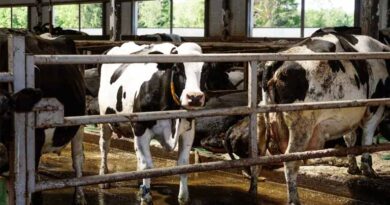
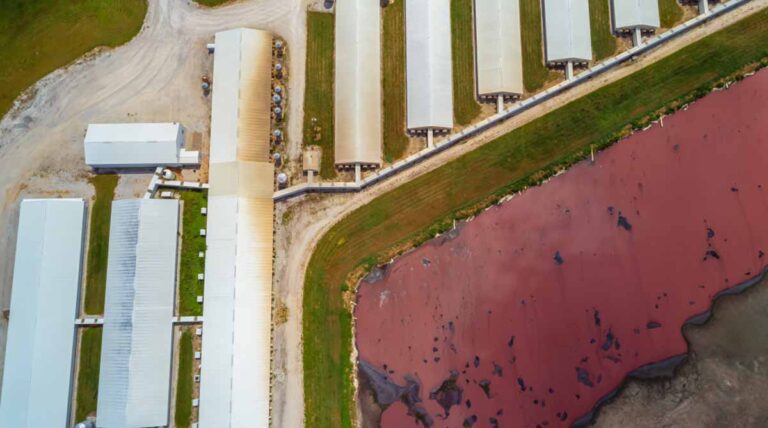
CAFOs are one of the driving factors of water pollution in the state, including groundwater that supplies 80% of rural Oregonians with drinking water. These operations generate massive amounts of waste, including manure mixed with heavy metals, pharmaceuticals, and other contaminants. Many operations store this waste in open cesspools called “lagoons” and spray it onto fields. Without real infrastructure improvements and effective monitoring, this pollution threatens state waterways and the communities that use them. Oregon already contends with 122,800 miles of impaired rivers and streams and three groundwater management areas that were created because of dangerous levels of nitrate contamination in the state’s groundwater. This drinking water crisis disproportionately burdens rural, low-wealth communities of color, who also contend with water-sucking data centers, other industrial agriculture, and climate instability.
“Thousands of Oregonians in the Lower Umatilla Basin have been exposed to unsafe levels of nitrate in their drinking water for decades,” said Kaleb Lay, director of policy and research with Oregon Rural Action. “This public health crisis happened on Oregon’s watch because of weak permits, weak rules, weak enforcement, and a political landscape that has prioritized corporate profit and economic productivity over the wellbeing of rural Oregonians. That has to change.”
CFS, Food & Water Watch, Animal Legal Defense Fund, and Willamette Riverkeeper previously submitted comments on the draft permit laying out the necessary additions which would have ensured the final permit offered real protections to people and the environment and demanded true accountability from operations in violation. To truly protect Oregon’s waterways, CFS had urged the final permit to clarify the scope of the permit by defining potential to discharge; require representative monitoring at all discharge points to verify CAFOs are meeting water quality standards; mandate proven and practicable methods of limiting pollution from production areas including manure lagoons and composting areas; account for aerial discharge onto nearby bodies of water; address factory farm gas operations by excluding CAFOs using anaerobic digestion for “renewable” fuel production, which creates additional water quality risks unaddressed by the permit; and protect disproportionally impacted communities by fully considering the direct and cumulative impacts of CAFOs on the people who bear the greatest burden.
CFS has worked to protect Oregon’s environment and communities for decades and will continue to pursue available legal and advocacy avenues to ensure that Oregon’s communities have access to clean water, free from factory farm contamination.
Also Read: Insecticides (India) Limited Launches New Paddy Insecticide ‘Granuvia’
Global Agriculture is an independent international media platform covering agri-business, policy, technology, and sustainability. For editorial collaborations, thought leadership, and strategic communications, write to pr@global-agriculture.com